

How to Make The Most Out of A Long Weekend In Iceland
Iceland is popularly known as the land of fire and ice and I’ve never come across a more accurate description of a place. The local people are extremely warm and welcoming, despite the cold temperatures. We spent a long weekend there and tried to experience as much as possible during our short stay.
My husband and I love to travel! We’ve come up with a theory that, usually around the 6 week mark from our last vacation is when we feel that itch to hop on an airplane again.
Our most recent adventure brought us to Iceland. Iceland is popularly known as the land of fire and ice and I’ve never come across a more accurate description of a place. The local people are extremely warm and welcoming, despite the cold temperatures. We spent a long weekend there and tried to experience as much as possible during our short stay. Here’s how we made the most out of our long weekend trip in Iceland:
Planning our Trip
The word planning is a bit of a stretch. This trip was very spontaneous! We pretty much booked the flights and hotel on Expedia and added the activities. We flew into Keflavik International Airport (KEF) via Jet Blue and Iceland Air from Pittsburgh with a layover in Boston.
Best Times To Visit
We took our trip to Iceland at the end of January. Needless to say, it was COLD. I would not recommend going during the winter months unless you have a penchant for cold weather. The best times to visit, as told by the locals, is during the summer months. However, if you want to see the Northern lights early Spring or early Fall is best.
Where We Stayed
We stayed at the Foss Hotel in Reykjavik. It is a really nice, boutique hotel located right in the heart of the city and in walking distance to the city/town center where all the shops and restaurants are. It’s also near the water so there was a nice view from our hotel room window. A delicious buffet breakfast was included with our stay. The other great thing about staying here is that it was right next to a bus stop (Bus stop #12 to be exact). It is important to note that tours and excursions will pick you up at the bus stop closest to where you’re staying so it is a god idea to stay somewhere very close to avoid walking too far. There are plenty of lodging options in Reykjavik- small boutique hotels, apartments and Airbnb’s are available.

Hotel Lobby

View of the city from hotel

Extended hotel lobby/cafe

View from our hotel room window

Weekend Itinerary:
Friday - After arriving at the airport, we got a private transfer to our hotel in the city of Reykjavik. It took about 45 mins from the airport to our hotel and since we got in late and were tired, we took a 4 hour nap and began our day around 9am on Saturday morning.
Saturday - After breakfast we went on a walking tour of city center and of course did a little shopping. There are countless ways to spend time in the city, but we decided to walk through the harbour district of Grandi which in recent years has been developed from an industrial area to an artistic venue filled with workshops and galleries. We also explored the main shopping street, Laugavegur. Later that evening, around 8pm our shuttle picked us up for a Northern Lights tour.


Walking around the city
The Northern Lights
What would a trip to Iceland be without seeing one of its famous attractions, the Northern Lights? One thing to note here is if you are planning your trip in advance, there is no way to know when you will have the best weather conditions for this beautiful natural event. Lucky for us, after braving 3 hours in the freezing cold(heated buses are available when you need a break from the cold), the lights showed up and lit up the night’s sky. If you want great pics it’s best to take a professional camera and a tripod. We used our iPhones and downloaded the app Nightcap.


Sunday - This was a full twelve hour day of adventure. We did the popular Golden Circle Tour topped off by a visit to the Blue Lagoon.

Ready for our Tour!
The Golden Circle Tour
The Golden Circle tour by GeoIceland was a great choice as it took us to the most popular destinations. Our guide was very knowledgeable and the group was relatively small, around 12 people.
Kerio - We drove through Nesjavellir, where pillars of steam rise from the all-encompassing mountains and followed the winding road until it took us to Kerið, an otherworldly volcanic crater which embraces a lake in the crater's bottom. This lake, however was frozen over at this time of year.


Geyser Hot Spring - One of the amazing things about Iceland is that despite the cold temperatures, the land is bursting with fire. Iceland is highly geologically active with many volcanoes, hot springs and geysers. The Haukadalur area is a popular tourist spot, where visitors can see Strokkur and Geysir, which are the two biggest geysers there. The first erupts every 5-10 minutes. Here you relax and take in the scenery over a cup of coffee and even pick up souvenirs at the on site shop.


Gulfoss Waterfall - A short distance away, the mighty Gullfoss waterfall, Iceland's single most popular attraction, awaits you. You follow a footpath all the way to the river's edge and as you look down into the gorge, you manage to get a sense of this waterfall's unspeakable power. The Gullfoss waterfall is one of the most popular tourist destinations in Iceland and although it’s not the biggest waterfall, it certainly is magnificent.


The next stop was the Þingvellir National Park, where we walked the rift valley of the Mid-Atlantic Ridge and explored the beautiful area which is fundamental to Iceland's history: the Icelandic parliament, Alþingi, was founded in Þingvellir in 930 and held its sessions here until 1799. This is the cradle of Icelandic culture, unchanged for millennia, and every rock and pebble has a story to tell.


Through the valley

North America on my right, Europe on my left
The Blue Lagoon
Looking for the ultimate Icelandic spa experience? Then you need to visit the Blue Lagoon, it’s one of the most popular tourist destinations in Iceland. It is one of the 25 wonders of the world and is a geothermal spa that stays at around 102 degrees Fahrenheit all year round.


Monday - On our last day we woke up early and enjoyed a hearty breakfast, took a walk around city center one last time before being transported back to the airport.
Visiting Iceland was perfect for a weekend getaway. I’m not sure if I would have stayed longer even if the opportunity presented itself. It’s not the typical jet off to a tropical Island that I’ve become accustomed to but it was a nice change. I learned a little bit of history and experienced a different culture and way of living. Definitely recommend!








6 Questions To Ask Before Investing
Whether you’re a first-time investor or have been investing for many years, there are some basic questions you should always ask before you commit your hard earned money to an investment.
“If you treat Investing like a casino, it’s going to treat you like a gambler”
I had a sit down chat with a financial advisor/ wealth manager from a popular brokerage firm to answer some burning questions about investing. He has chosen to be anonymous in this blog post as we did not have enough time to get these questions and answers approved by his firm. However, he has guaranteed that all answers are truthful and based on general knowledge that anyone can google. He has also given me permission to give his contact information (via email) to my readers who are interested in learning more about investing.
Whether you’re a first-time investor or have been investing for many years, there are some basic questions you should always ask before you commit your hard earned money to an investment.

Q: What would you recommend as a starting point for a new investor?
A: For someone just starting out I would recommend they get an understanding of money and how it works. They have to determine their goals and their risk tolerance to market volatility. For example, certain types of bond funds can counterbalance market volatility so a starting point could be with bonds. Next, they have to choose an advisor that will put together a program designed to accomplish those goals .
Q: What is a recommended portfolio diversification for a beginner i.e percentage of stocks, bonds, mutual funds, etc?
A: This is a nuanced question and depends on the person’s time horizon. For example, if you’re a 25 year old planning to use the money as a down payment on a house in 5 years you may be better suited with a larger portfolio of bonds. The short answer is, if they are investing for the long term they are going to see more growth in blue chips and mutual funds that pay rising dividends over time. See JP Morgan’s Guide to The Markets - Time, Diversification and the Volatility of Returns.

What this shows is the 1, 5, 10 and 20 year return going all the way back to 1950 of a pure stock portfolio, a pure bond portfolio and a 50/50 mix. There isn’t a 5 year period in that 70 year history where there was a loss of money with a 50/50 mix. The worst that happened in any 20 year period is that you quadrupled your money. So, the suggestion would be if they’re investing for the long term invest in companies that provide basic necessities for our way of life and go with a 50/50 mix.
Q: What factors determine how you will invest someone’s money and do things like age and risk tolerance play a role?
A: There are many factors that play a role when it comes to someone investing. Things like:
How involved the person wants to be with their investments, i.e hands on versus hands off approach
Time horizon, not so much age. For example, if they are 70 years old but they are investing for their grandchildren’s legacy then age doesn’t matter.
Risk Tolerance
Tax considerations
IRA account versus Taxable brokerage account
Tax efficiency
Tax harvesting strategies
Q: How do you manage investment accounts for taxes?
A: Generally , there are 3 ways to invest money for taxes:
Taxable (pay as you go)
Tax deferred (Traditional IRA, Annuities)
Tax free (Roth IRA, Insurance products)
Q: What is your approach to financial planning?
A: I approach it as a process and it should be the same no matter who the individual works with
Get a feel for who they are, what they want to accomplish and why
Determine where they are coming from, their psychology about money, their values and their belief system around money and investing.
Ask them to quantify this as much as possible, in terms of their goals for the account, their psychology about risk
Tax needs
Risk tolerance
Are goals realistic
Am I a good fit for them and vice versa
Based on the above , I will then go through the courses of action and next steps. I will be transparent about:
The cost structure of each option
The degree of involvement each party needs to have for each option
Fees for services
I will then set up a periodic review for each account, i.e monthly, quarterly or annually.
Q: What are some important questions a client should ask their financial advisor before investing?
A: This is probably one of the most important questions.
How is the plan in the client’s best interest
Explain cost structure
Discuss any potential tax considerations
The various risks associated with the investment. Every investment has risks. There’s no such thing as a risk free investment
Describe in full the process of beginning this journey
If the advisor is unable to answer any of the above to the client’s satisfaction, they should exercise caution before proceeding.
If you would like to learn more about Investing or begin your own Investing journey with this advisor, feel free send me an email below and I will forward his info: CONTACT ME
This is Part IV of The Investing Series. Click here for Part III, Part II, and Part I.
Our investing series will continue in our next article on the topic of Real Estate Investing. Sign up below to receive the Investing Series directly to your inbox:
This article is for educational and informational purposes only. Contact a financial advisor before making any financial decision.
This article may contain affiliate links.






How To Start Investing in The Stock Market
Investing can be a confusing topic but a vehicle that can change your financial future for the better. You don’t need a lot of money to start investing. In some cases, you only need a few dollars to get started. Of course, you may have a goal of increasing your investments over time but don’t let limited resources stop you from building your long-term wealth.
Many people know the importance of investing but never actually do it!
I must admit, there was a time when the topic of investing was very confusing and overwhelming for me. The learning curve with all the different financial terms and what they meant were steep. It took several talks with my financial advisor, my husband breaking things down in detail and me listening to some great podcasts to finally get a good understanding of it.
Like most people, my first experience with investing was through a retirement account that I have with Edward Jones. Once I read upon the subject of investing (the most helpful being JL Collins’ The Simple Path To Wealth), listened to podcasts on the topic and consulted with the experts, I graduated from being a rookie and started investing with Vanguard in their VTSAX (Admiral Shares). You can see some of my recommended books on investing here and learn more about Vanguard’s VTSAX here.
Investing requires a mindset shift, and you should look to start by investing in a retirement plan, followed perhaps by investing in the stock market. But how do you even get started investing in the stock market? I will give an overview of how to get started and for the sake of this article let’s get some definitions down:
Investing: Putting money into a vehicle with the goal of receiving a return down the line (growth). In most cases, you plan for little involvement on your part once you’ve invested the money.
Stocks - A stock is part ownership of a company. They are also called shares or equities and the more you own the bigger your ownership stake in the company is.
Bonds - A bond is when you loan money to a company or the government who in turn pay you back in full with interest.
Mutual Funds - A mutual fund is a pool or compilation of funds from a group of investors set up for the purpose of buying security like stocks, bonds, etc.
Index Funds - An index fund is a type of mutual fund with a portfolio constructed to match or track the components of a market index, such as the Standard & Poor's 500 Index (S&P 500).
Exchange Traded Funds (ETFs) - These are similar to index funds however, they can actively be traded throughout the day at the current market price (you'll pay commission fees as a result) unlike mutual funds and index funds that are traded at the end of the day, and at the market's closing price.
Brokerage Firm - A brokerage firm is a financial institution that manages or facilitates the buying and selling of securities (different kinds of investments e.g. stocks, bonds, etc) between buyers and sellers. They typically charge commission fees on trades and can provide you with up-to-date research, market analysis and pricing information on various securities. Examples of brokerage firms in the US include Vanguard, Fidelity, Charles Schwab, etc.

How To Start investing
Investing can change your financial future for the better. You don’t need a lot of money to start investing. In some cases, you only need a few dollars to get started. Of course, you might have a goal of increasing your investments long-term. But don’t let limited resources stop you from building your long-term wealth.
Try a Robo-Advisor
A robo-advisor is the term often used to refer to digital platforms for investing and is essentially a virtual financial advisor. With the use of algorithms and technologies, it eliminates the need for a human financial advisor and is a more hands-off approach. Rabo-Advisors are marketed to millennial as a digital solution for the often intimidating process of investing. You’re asked some questions online and based on your answers it provides automated financial management services and tailor your investment recommendations based on your goals.
The benefit of using a robo-advisor is that the fees are typically much lower, even though you are getting customized portfolio recommendations. Most robo-advisory firms offer low minimum investment requirements and take care of portfolio rebalancing automatically.
If you are interested in trying a robo-advisor, some popular ones are Acorns, Robinhood or Betterment.
Micro-Investing
There’s an app for that! Just like robo-advisors, micro-investing apps offer a variety of tools and ways in which you can be investing. Micro-investing apps are marketed towards millennials and young, rookie investors and was built around the idea of helping people get into investing with as little as a few dollars. Some popular micro-investing apps include:
Acorns - It is simple and is perfect for the true beginner looking to get help building a well-diversified portfolio. You can choose from among five portfolios, all of which are invested in ETFs from well-known investment management companies like Vanguard. It costs as little as $1 per month for accounts under $1 million, or free for college students.
Robinhood - Typically attractive to those looking to do individual stock picking and even dabble in cryptocurrency and options trading. Trading is commission free, but there are fees charged by SEC and FINRA.
Stash - Great for beginners who want to be a bit more hands on about picking investments or has specific preferences on the types of companies they invest in. They offer access to more than one hundred investments, including ETFs and individual stocks. It costs $1 per month with no commission on accounts under $5000 for Stash Invest and $2 per month for Stash Retire.
Seek out a Brokerage Account
There are many investment services available on the market today. Each offers different services and charges different fees. In some situations, you may want to buy and sell stocks on a regular basis. These transactions can add up quickly at some brokerage firms. In other situations, you might choose an index fund with fees built-in. Either way, you'll want to find a brokerage account that minimizes fees for your investment strategy.
Decide What Kind of Account You Want To Open
The type of account you open will depend on the reason you’re investing in the first place. Most times when one is investing they are doing so for a medium-long term goal.
Decide Which Brokerage Should You Use
You have many options when it comes to picking a brokerage firm. Consider a hands on versus a hands off approach (depending on how comfortable you currently are with investing).
Consider the minimums for opening an account. Many, but not all brokerage firms will have a minimum initial investment in order to open an account or invest in certain funds. These minimums vary, and therefore can have a huge impact on which institution you pick. For example, my very first investment was in Vanguards VTSAX with a minimum required investment of $10,000. If you are not in a position to invest that amount at the moment you have several options:
You can opt to choose a different brokerage firm
Search and see if another comparable fund at the same brokerage has a lower initial investment requirement
Invest at a different brokerage and transfer your funds after you’ve met the investment minimum at the brokerage you want
Keep saving until you hit the minimum
See if the exchange-traded fund (ETF) version is cheaper than the mutual fund version, sometimes it is.
Determine what the brokerage firm’s fees will be.
Determine whether you want to go with a Full Service Brokerage Firm versus Discount Brokerage Firms. The main difference is the the full service firm will have an advisor helping you build and manage your portfolio, but you will pay higher fees. You take a more DIY approach when going with a discount brokerage firm and therefore will save more in fees. Plus, Discount brokerage firms may have minimum initial investments, often between $1000 to $3000. Some popular discount brokerages include Vanguard, Fidelity, Charles Schwab, TD Ameritrade, Ally Invest, etc.
Pick Your Investments
When picking your investments consider your goals, risk tolerance, time horizon and whether you want it to be actively or passively managed. Keep in mind that you will pay more in fees for an actively managed account. You will also need to diversify as you build your portfolio so as to not put all your eggs in one basket. For example, investing in mutual, index, or ETFs gives you exposure to a variety of sectors and companies, and is a good first step.
Investing can be a confusing topic but it doesn’t have to be once you understand a few basics. You can start with a robo-advisor or a micro-investing app to get your feet wet and level up to a brokerage firm when you feel you are more comfortable.
This is Part III of The Investing Series. Click here for Part II and Part I
Our investing series will continue in our next article and will feature an Interview with a Wealth Management expert from a popular Brokerage Firm. Sign up below to receive the Investing Series directly to your inbox:
This article is for educational and informational purposes only. Contact a financial advisor before making any financial decision.
This article may contain affiliate links.

My Interview on Oral Health Disparities & Orthodontic Basics with Dialosophy
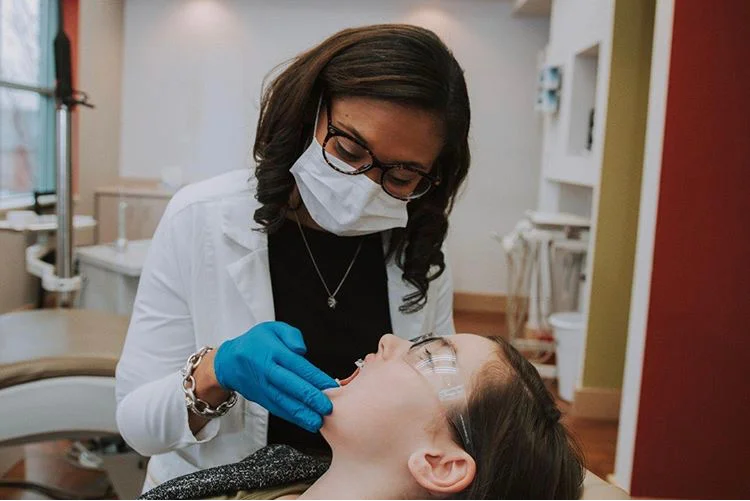
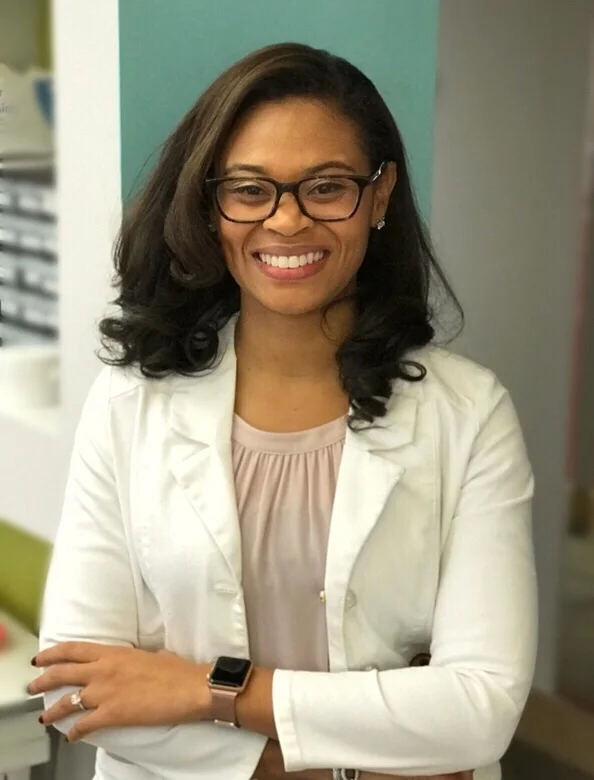
I had the wonderful opportunity to meet with Adia Louden of Dialosophy and answer some questions on oral health, oral health disparities , and to go over some Orthodontic basic. Enjoy our Q & A session.

I had the wonderful opportunity to meet with Adia Louden of Dialosophy and answer some questions on oral health, oral health disparities , and to go over some Orthodontic basic. Enjoy our Q & A session below:
Q: Dr. Smith, thank you for agreeing to talk with me on Dialosophy. I think before we get started…I’d be especially interested in hearing a bit of your story. How’d you get into orthodontics? And please don’t hold back. Educate us on the difference between dentists and orthodontists. What do kmorthodontists do?
A: I developed a liking for dentistry at around the age of 16. At that time, I was headed to college and I had to choose a major (I am Jamaican, at that time it was customary to finish high school at age 16). I had a family friend who was a dentist who encouraged me to pursue a career in dentistry, so I enrolled in the dental hygiene program at Northern Caribbean University - the only dental related program in the country at the time. Towards the end of my program I realized I wanted to do more than just clean teeth. That's when I decided to become a dentist, so I moved to the US, got a bachelors degree in Biology and applied to dental school. I was accepted into Howard University in 2010. After my first year I really started thinking about specializing. At first, I thought I wanted to be an Oral Surgeon (dead wrong, I don't have the personality for it). I started frequenting the Orthodontics department and quickly fell in love with it, so I did everything to align myself with getting accepted into Orthodontics residency. Quite a number of people don’t know the difference between an Orthodontist and a dentist. Orthodontics is a specialty of dentistry that focuses on aligning the jaws and teeth. We focus on how teeth meet and function, how they are aligned, how they are set in the jaws, and the positioning and sizes of the upper and lower jaws. Orthodontists go through two to three years of additional training after the initial four years of dental school.
Q: Thank you for sharing. So, let’s get right to it. Oral hygiene. Something that’s clearly important, but I know I’m not alone when say I often neglect it. I recently read about the oral health disparities that exist in our country, especially among people of color. So, I want to take a moment to ask you to expand on just how important is our oral care really? What do you recommend as “proper” oral care habits?
A: Oral healthcare is more important than a lot of people might realize. Your oral health can clue you in as to your overall health and conversely, your overall health can affect your oral health. Brushing, flossing and using a mouth rinse at least twice per day to remove the bacteria from the mouth are steps to make in forming proper oral care habits.
Q: What is being done to address the aforementioned oral health disparities in our nation? Especially among women and communities of color.
A: Despite major improvements in oral health for the population as a whole, oral health disparities exist for many racial and ethnic groups, by socioeconomic status, gender, age and geographic location. The economic factors that often relate to poor oral health include access to health services and an individual’s ability to get and keep dental insurance. This is an issue that different dental organizations have been trying to address. Interventions such as community water fluoridation, school-based dental sealant programs, incentive programs for dentists to live and work in deep rural areas and the implementation of dental auxiliaries are ways in which these issues are being combatted.
Q: I believe I saw on Instagram that you have your own organization where you venture and do mission trips to aid in disparity efforts globally. Please tell us about what you have done personally to address oral health disparities.
A: Correct. I am the co-founder of a dental non-profit organization “Dental Helping Hands”
along with two of my classmates/colleagues from dental school. It was founded to provide dental health services to underserved communities in developing countries. Our aim is to empower and support the communities we serve by partnering with local dental professionals to share knowledge. By providing communities with education on preventative measures to improve dental health, we honor, support and empower those with less and assist them in becoming self-sufficient. Our goal is to focus on preventative education while providing patients with a safe environment for necessary care.
I do at least one mission trip to my home country, Jamaica, per year and provide dental services to people of a deep rural area with no access to dental care. I partner with Dr. Mark Edwards, my mentor and the dentist who encouraged me to get into dentistry. He’s also the Dean of the College is Dentistry at the University of Technology and so we get student volunteers from the two dental schools on the island and dental hygiene students from my alma mater - Northern Caribbean University to help carry out our mission.
Q: Is there a connection between oral health and other health conditions? Which oral health symptoms should NOT be ignored?
A: Oral healthcare is more important than a lot of people might realize. Your oral health can clue you in as to your overall health. The oral cavity has a lot of bacteria (mostly harmless) but the mouth is the gateway to the digestive and respiratory tract. Blood vessels in the mouth also have a direct connection to the heart. Normally, the body’s natural defenses and good oral hygiene habits like daily brushing and flossing (at least twice per day) keep bacteria under control. However, without proper oral hygiene bacteria can reach levels that might lead to oral infections, such as tooth decay and gum disease. It can also lead to endocarditis, cardiovascular disease, pregnancy and birth complications and pneumonia. Other health conditions like diabetes and osteoporosis can drastically affect oral health.
Q: I think with so many trends going around now like charcoal toothpaste, which I’m currently trying ,….and at-home whitening systems…and home remedies such as oil pulling and baking soda…it can be confusing AND EXPENSIVE finding ways to whiten your teeth. How can we improve the whiteness of our teeth? Do you have any favorite products that you’d recommend?
A: Don’t underestimate the power of brushing and flossing, that’s key. Teeth inevitable begin to yellow with age, but a range of strategies can slow the progress or reverse it. Ways to whiten teeth are brushing with baking soda, using hydrogen peroxide, drinking coffee or tea through a straw, getting regular cleanings at the dentist’s office, over the counter whitening products like whitening strips and gels, and in office professional whitening at the dentist’s office. One of my fave whitening toothpastes is Crest 3D White/Brilliance.
Q: Merging into some orthodontic basics, what are some of the most common orthodontic problems?
A: The most common orthodontic problems are crowding, excessive spacing, abnormal eruption of teeth, a cross bite, underbite, overbite and excessive over jet.
Q: I imagine it’s common for children to get braces more than adults. And from talking to a few older women, braces doesn’t seem like a move older women try to make because of a variety of reasons (“beauty standards” probably being one of them). I have also noticed a few parents that will wait for their children to get braces. So, is there an “ideal age” for orthodontic treatment?
A: Most people think that the best time to have their child see an Orthodontist is during the pre-teen and teenage years. However, there are good reasons to have your child get an orthodontic evaluation a lot sooner. The American Association of Orthodontists (AAO) recommends a check up with an orthodontic specialist no later than age 7.
Q: Does dental hygiene and orthodontic treatment differ during pregnancy? If so, what does that look like?
A: Pregnancy may make women more prone to cavities and periodontal disease. This is partly due to hormonal changes, dietary changes and even morning sickness (stomach acids which can erode the teeth). Oral health is an important part of prenatal care, given that poor oral health during pregnancy can lead to poor oral health outcome for the mother and the baby.
Q: The last question for you, Dr. Smith, is all about you…and your favorites…and what you (as the expert) think we should be using (feel free to hyperlink). Before we get your favorites, thank you so much for taking the time to share a bit of your story and the importance of oral hygiene. I can speak for myself and say I definitely plan to use the information you shared because I don’t have time for anymore cavities. I got my first one this past summer, and ONE is enough for me. The whole procedure was traumatizing (LOL seriously). Thanks again, Dr. Smith, for sharing of piece of you…with Dialosophy.
Fav Toothpaste: Crest and Colgate are popular options. However, at the moment I’m really in love with Risewell. It’s a company that is all-natural and uses nano-hydroxyapatite instead of fluoride. Hydroxyapatite is a naturally occurring mineral that’s found in teeth and that helps in the remineralization of enamel. Studies have shown where it is more effective and safer than fluoride.
Fav Toothbrushe(s): An electric toothbrush is very helpful in removing plaque and debris from teeth. Popular options are ones from Oral B or Phillips Sonicare. However, a smaller, more light weight and inexpensive option is Quip. I really like quip because they are on a mission to really help individuals keep up with good oral hygiene habits. They send you a new brush head and toothpaste every 3 months with a subscription. I consider them the dentist's allying the fight for good oral hygiene.
Fav Mouthwash: I really like ACT because it doesn't contain alcohol and has fluoride that helps in preventing cavities. Recently I've been using and liking the mouthwash from Risewell. It uses nano-hydroxyapatite instead of fluoride and also does not contain fluoride.
Retainer Care: Retainers can be kept clean with brushing it with mild soap and a soft toothbrush. A product that I really love is Ever smile White Foam.

Dialosophy
Promoting the health, success, and human rights of all women






Setting Up Your First Investment Account
If you have a retirement account such as a 401K, 403B, Roth or Traditional IRA, Congratulations! You’re already an investor. A lot of people don’t consider their retirement savings as investing. Saving for retirement is important and should (arguably) be your first investing priority.
If you have a retirement account such as a 401K, 403B, Roth or Traditional IRA, Congratulations! You’re already an investor. A lot of people don’t consider their retirement savings as investing. Saving for retirement is important and should (arguably) be your first investing priority because:
It helps lower your tax liability either today or in retirement (depending on the type of account)
You’re possibly getting free money from an employer (if there is a match program)
It can easily be automated, so building your nest egg becomes habitual
It can help you achieve financial independence and be able to walk away from the need to earn a paycheck
If you’re not yet saving for retirement, I urge you to start today. It is extremely beneficial to start saving for retirement early so that you can take advantage of compound interest.
Employer 401K
If your employer offers a 401K plan then you’re in luck and won’t have to do this yourself. However, do make sure you are saving up to the point where you get the employer match. An employer match is when an employer puts money in your retirement plan, matching your contribution up to a certain percentage. For example, your employer might have a contingency that they will match you 100 percent up to 4%. If you earn say, $40,000 - in order to get the full 4% match, you will have to contribute at least 4% of your salary into the 401K. That is, about $66 per biweekly paycheck (or $133 per month) and so does your employer. You would have saved roughly $1600 per year in your 401K and receive an additional $1600 from your employer making it a total of $3200 (half of this was free money).
The great thing about a 401K is that the money you save is automatically deposited into the plan before it’s taxed, so less of your income will be taxed now. Plus, the 401(k) allows your savings to grow tax-free until you withdraw the money at retirement. This feature means your money will compound at a faster rate. Only when you withdraw money will you pay taxes. Read more about the types Retirement Accounts here.
If you don’t have a retirement plan with your employer or are self employed, a retirement account is very easy to set up.

Here’s how to to Set up Your Own Retirement Account
Decide How Much You Want to Save
If you’re following the 50/30/20 rule, then you should already have in mind to put 20% of your income towards saving and investing. So, you may decide to put between 10-15% of this allocation towards investing to yield a respectable nest egg. Consider the example of a 30 year old taking home a $50,000 salary. If he/she gets a 3% salary bump on average each year, and her investments earn an average annual return of 7% during her working life, then saving 15% of her income would yield $1.7 million by the time she reaches age 65. That is the power of starting early and of compound interest.
Decide What Types of Investments You Want
If you’re not eligible for a retirement fund at work that gets you matching funds, you can sign up for a Roth IRA or Traditional IRA. A Roth IRA is funded with money out of your paycheck that has already been taxed (post tax dollars), but when you withdraw the money in retirement, it will be tax-free. While a Roth IRA won’t save you money on taxes this year, it’s a fantastic way to avoid paying taxes on your future investment earnings. A Traditional IRA on the other hand utilizes pre-tax dollars. This gives you the ability to lower your taxable liability today but you will be required to pay taxes on it in retirement.
If you’re self employed or the owner of a small business you have the option of setting up a SEP IRA, Solo 401k or SIMPLE IRA. You can get more information about those types of Retirement Accounts here.
The type of Investment will depend on your time horizon (how long you have to invest). For example, a younger person will have a longer time to invest. It is advisable that when starting out you stick to an all-in-one fund also known as a target date-fund. Target-date funds are a convenient way to save for retirement because it removes the overwhelming investment choices to put into your retirement account. In this fund, you select a year closest to when you feel you will retire. For example, If you are 30 years old and you want retire at age 65 then it will be Target Date Fund 2055. The fund’s managers will then automatically invest you in a primarily aggressive portfolio now and then rebalance it to be a more conservative portfolio by time you plan to retire.
Choose Where to Open Your Account
There are plenty of options when it comes to opening a retirement account. Brokerage firms, banks, and other financial institutions offer a myriad of options to hold investments (i.e stocks, mutual funds, bonds and cash, earmarked for retirement). Where you choose to open an account will depend on the type of investor you are, hands-on or hands-off. If you have a little experience with investing and would like to buy and sell, an online broker may be the most beneficial. Consider building a portfolio out of low-cost index funds and ETFs. This approach makes it easier to ensure adequate diversification in your portfolio (which lowers your investing risks) and helps minimize the fees you’ll pay. Look for a broker that has low or no account fees and small commissions; offers a wide selection of no-transaction-fee mutual funds and commission-free exchange-traded funds; and provides solid customer support and educational resources, especially if you’re a new investor. Some great options are Vanguard,Fidelity, ETrade, Charles Schwab, Edward Jones, and TDAmeritrade to name a few.
A hands-off approach is an automated way to manage your investments using a robo-advisor. A robo-advisor will choose low-cost funds and rebalance your portfolio, keeping it in line with your investing preferences and timeline for a fraction of the cost of hiring a human financial advisor. This option is usually better for those who agonize over investment decisions. Look for one with a low management fee, generally 0.40% or less, and services that meet your needs.
If you decide to use a robo-advisor for your IRA, you don’t actually need to choose your investments. Your robo-advisor will ask you for your goals and preferences and select investments that match up with them, and even adjust those investments over time. Some great robe-advisors are Robinhood, Betterment, Ally Invest, and Acorns to name a few.
Fund Your Account and Get Started
After you’ve figured out how much you want to invest, the type of account you want to invest in and where, all that’s left to do is fund your account and get started. Put your money in and automate it so that a set amount comes out of your bank account each month. That’s it, you’re done.
If you’re starting out as an investor there’s no better way to start than with a retirement account. Choose a broker or financial institution, fund your account, select a few investments (stocks, mutual funds, ETFs), automate it, and put your money to work. Your future self will thank you!
This is Part II of The Investing Series. Click here for Part I.
Over the next couple weeks I will be breaking down the topic of Investing and providing ways in which you can start investing right away. Sign up below to receive the Investing Series directly to your inbox:
This article is for educational and informational purposes only. Contact a financial advisor before making any financial decision.
This article may contain affiliate links.

Investing 101: Invest in Yourself
Investing can be a confusing topic. When we talk about investing we immediately think of the stock market and things like stocks, bonds, index, mutual funds and ETFs start to come up. However, there’s only one investment that always pays off.
“The best investment you can make is in yourself”
Investing can be a confusing topic. When we talk about investing we immediately think of the stock market and things like stocks, bonds, index, mutual funds and ETFs start to come up. However, there’s only one investment that always pays off and that is investment in ourselves and in our mind. You are the most important place you can put your time and money. We are living in a digital age where you can learn anything you want with just a few clicks. There are books and online courses that can help you learn exactly what you want from the convenience of your home. By improving your talents, skills and abilities, you’re investing in something that you will always have; nobody can tax it or take it away from you. Markets can crash, stocks and bonds can be lost, or material possessions can burn–however your knowledge is a tremendous asset that will often provide significant returns.

Manage Time
Majority of people sell time for money. They go to work for several hours in exchange for a paycheck. Unfortunately they use their money to buy (and finance) consumer expenses which serve to decrease your finances. A minority of people understand that time is your most valuable commodity. Your time is limited and you can’t create more of it. So, financially speaking, it is expensive to not make the best use of your time. The principle behind investing is to have your money work for you. The money you invest attracts more money 24 hours a day, 7 days per week.
Set Goals
Setting goals will help you accomplish them. When you write things down it is a lot easier to get things done. Once you’ve identified a goal and written it down, you’re more likely to change your behavior and take actionable steps to achieve that goal. To save, invest and become wealthy has a lot more to do with your mindset than what your income is. Since you’re reading this I know your goal is to learn how to invest so start by making a goal of saving and investing at least 20% of your income (following the 50/30/20 rule).
Choose Friends Wisely
“Over here we measure success by how many people successful next to you.” - Jay Z. You are the average of the five people closest to you. Whatever your goal in life is, whether it is to be rich, happy, powerful, positive or more productive, find people who share that passion and invest in their lives.
Read Books. Learn New Skills
Successful people read. Habitual reading will transform your mind in powerful ways: It stimulates your imagination, sharpens your critical thinking skills and helps you synthesize new ideas. There is typically a book on any topic you wish to learn about whether it’s starting a business, personal finance, etc. See some of my recommendations here.
Take Care of Your Body
If time is your most precious commodity, then your body is number two. You should spend time exercising regularly in order to have a healthy body and a healthy mind. Regular exercise has been linked to more energy, more productivity, reduced stress, improved brain power, better memory, and even increased creativity. It’s the best way to maintain a healthy weight, improve your mood, ward off disease, and to combat mental health conditions such as anxiety and depression.
Become the Boss of Your Money
One of the biggest myths about money is that you need to make a lot of money to be wealthy. It’s not about how much you make but what you do with the money you make - i.e professional athletes who go broke 2 years after their contract ends. The key is to spend less, earn more and INVEST. The majority of people make money from a job (exchanging time for money) and after paying taxes they spend what’s left on consumer expenses (liabilities) often times going over budget and utilizing credit cards. They then need to go back to work to pay for said liabilities - enter the rat race. The wealthy utilize a different strategy, they spend what’s left after saving and investing. They use money as a tool to build wealth first. So here’s how to become the boss of your money: Get rid of (consumer) debt, save 3-6 months living expenses for an emergency fund, start to make your money work for you (invest).
Create Multiple Income Streams
So you’ve gotten a handle on the idea of saving and investing. Now you want to earn more so you can invest more (wealth building) by creating multiple income streams. Perhaps you want to start a new business venture, get involved in real estate investing, or turn your passion project from a hobby to a business. Alongside earning extra income, it is a great way to build new skills. Who knows, one day you might be able to replace your 9 to 5 with something you are truly passionate about.
Now that we’ve gotten a mindset shift, let’s dive into the basics of Investing.
Over the next couple weeks I will be breaking down the topic of Investing and providing ways in which you can start investing right away. Sign up below to receive the Investing Series directly to your inbox:

How Dentists Can Start Their Own Practice While Repaying Student Loans
The key to successfully starting a dental practice is to plan for it. That means saving up, optimizing your credit score, and making yourself attractive to lenders so that when it comes time to take out a dental practice loan you will easily be approved.
Dental school graduates have among the highest amounts of student loan debt compared to other graduate degree types, most graduating with more than $300,000. While that might seem like a lot, dental grads also have significant earning potential, which means that it's possible for them to repay their loans and still fulfill their dream of opening their own practice.
The key to successfully starting a dental practice is to plan for it. That means saving up, optimizing your credit score, and making yourself attractive to lenders so that when it comes time to take out a dental practice loan you will easily be approved.
Here are some smart steps dentists can take to get their finances in order and work their way toward starting or acquiring a dental practice.

Focus on Earning Steady Income and Improving Your Credit
Before diving in headfirst to start your own practice, it's important to take a step back and consider the benefits of building your experience as a dentist while earning money along the way. "It's hard to start up a dental practice right out of school for a few reasons," said Adam Glassberg, financial counselor with Chicago-based D3 Financial Counselors, who works primarily with young medical professionals. "First, it might be hard to market your services with little or no experience. Second, working as an associate will also put you in a better financial position."
In addition to earning income and developing more experience, the extra time spent working as a dental associate prior to starting your own practice will allow you to focus on building your credit score. According to Glassberg, that means doing things you likely already know you should do, such as making your student loan and credit card payments on time.
But it also means doing some things that you might not realize improve your credit, such as being mindful of keeping your total debt amount low.
"For example, you want to keep your total debt to less than 30% of your credit outstanding," said Glassberg. "If you have a credit card with a $10,000 limit, you want to make sure your balance on the card doesn't exceed $3,000. Any more than that, and your credit score could suffer." He also recommends that you keep your oldest credit accounts open. "Credit companies look at how long you have had access to credit, and so closing old accounts might have a negative impact on your credit score," Glassberg said.
Meet With a Financial Planner
If you're feeling a bit overwhelmed at the prospect of starting a practice and paying your student loans, it would also be beneficial to reach out to someone who can help you create a plan. A financial planner who specializes in working with health professionals is probably your best bet.
Glassberg believes it's critical that you work with a financial planner, since they help you consider things you might not have thought about. For example, he recommends that his clients save money in an emergency fund to cover any unforeseen expenses for up to one year before starting a practice. "It's important to have that emergency safeguard," Glassberg said, "because you can't depend on making money from your practice in that first year." A financial planner will also help you optimize your assets and manage your student loans in order to prepare you for applying for a loan to start or buy a practice.
Find the Best Student Loan Repayment Option
Dentists have several options to manage and repay their student loans, and it's worthwhile to look into each one to determine which is right for your situation. Here are a few options that you can consider for tackling your student debt:
Consider Refinancing Your Student Loans
Because practice loan lenders like to see that the dentists they lend to have more cash on hand, it is often a good idea for dentists to refinance their student loans to lower interest rates with longer terms. This will enable you to lower your monthly payments so you can start saving for your practice.
When you refinance student loans, you're taking out one new loan to replace one or more existing loans often receiving a lower interest rate than what you were previously paying. Private lenders like CommonBond, SoFi, Splash Financial or LendKey offer refinancing options that could save the average dentist thousands over the life of their student loans.
"If you can reduce the interest rate or extend your repayment term, you can lower your payments which would give you more cash flow in order to start your practice," said Glassberg.
Refinancing your student loans enables you to both lower your monthly payments and lower your debt-to-income ratio, which can be helpful when it comes time to apply for a practice loan.
Explore Federal Student Loan Programs for Dentists
Refinancing isn't always the best option for every dentist, however. The federal government offers several programs specifically for dentists that private lenders don't offer. In order to be eligible for most of the government programs, dentists are generally required to work within Health Profession Shortage Areas (HPSA) or a Medically Underserved Area or Population, as defined by the U.S. Department of Health and Human Services.
A few of the government programs available to dentists include:
National Health Service Corps (NHSC) Loan Repayment Program
Under this program, dentists can receive up to $50,000 to repay their dental school loans in exchange for a two-year commitment to work at an approved NHSC site in a high-need, underserved area.
Army Dental Corps Programs
If you serve as a dentist in the U.S. Army, you may be able to get up to $120,000 in student loan repayment assistance, as the Active Duty Health Professions Loan Repayment Program offers $40,000 per year for a maximum of three years.
State-specific options:
In addition to federal government programs, most U.S. states offer student loan repayment assistance or forgiveness for dentists who work in medically underserved communities. These options vary from state to state, so it's worth exploring the options available in your state.
If any of the situations listed above apply to your desired career path, then it would be worthwhile to explore some of the federal and state student loan repayment options available to dentists.
Apply for a Practice Loan
Once you have great credit, strong work experience, a robust emergency fund and have found the best student loan repayment option for your circumstances, you're ready to apply for a loan to start your practice.
According to Glassberg, this is when your hard work to save money will pay off: The more assets you have and especially the more liquid assets you have – the more likely you are to obtain a loan.
Here are some of the top factors to keep in mind when it comes time to apply for a dental practice loan:
Create a business plan
Before giving you a loan, lenders need to understand how you will manage and grow your practice, including how you'll run day-to-day operations and get new patients. Generally, lenders are wary of lending to you until they believe you have a proven business, so having a solid business plan to share with them will help the process significantly. This article in Dental Economics offers useful steps for dentists to take in creating a business plan.
Be prepared to share necessary documents and information with lenders
In addition to a business plan, when applying for a practice loan, you'll need to be able to share further information with lenders. This includes information such as the purpose of your loan, the amount you intend to borrow, debt service coverage, primary collateral, debt-to-worth ratio, management experience, and your credit score.
Get life insurance and disability insurance
It's common practice in the dental lending industry to require these policies to be in place as collateral for the loan in case something happens to the dentist. Insurance is a big factor in mitigating a lender's risk that a dentist would be unable to repay the practice loan due to death or disability.
Determine what type of loan you need and choose the right lender
Once you have all of these other elements in place, you'll be in a good position to apply for your practice loan. At this stage, you should determine the desired term of your loan –generally you can choose between repaying your loan in 7 or 10 years and select the best lender, depending on which offers the best interest rate and terms for your situation. Lenders that offer practice loans include Bank of America, US Bank and Wells Fargo. It may also be worthwhile to explore a website like Fundera, which can connect you with a variety of small business lenders and allow you to choose the best option.
In addition to these considerations, Glassberg recommends that dentists looking to start up their own practice continue working as an associate at another practice as they get their own practices up and running in order to help with cash flow, which certain lenders require. And, in some cases, acquiring an existing practice might be a better bet, according to Glassberg. "Because the practice is already up and running the terms of the loan could be more favorable since it is a lower risk loan," he says.
While paying down your loans and starting your practice might seem daunting – it's entirely doable. With a plan and some hard work, you'll be able to open the doors of your own practice in no time.
This is a sponsored post from Commonbond and may contain affiliate links.



Should You Lease or Buy a Space For Your Start-Up Dental Practice
One of the most common questions among dentists who want to start their own practice is whether to buy or lease a commercial property. Through in-depth analysis, it was concluded that buying commercial property is the better option if you plan on staying in the same location for 7 or more years.
One of the most common questions among dentists who want to start their own practice is whether to buy or lease a commercial property (Practice real Estate). Through in-depth analysis, it was concluded that buying commercial property is the better option if you plan on staying in the same location for 7 or more years. Therefore, considering the growth of your business will be a large decision making factor in choosing whether to lease or buy a space.
On average, over a 15 year occupancy period, leasing commercial real estate costs as much as 86.6% more than buying commercial real estate. In cases where you lease a space for less than 7 years, oftentimes this cost will be less than buying. Therefore, seven years is considered the “breakeven” point in terms of occupancy costs.

When determining whether to buy or lease commercial property for your practice, there are some questions to ask yourself:
Will I outgrow my space, and if so, how many years will it take for me to outgrow my space?
Am I in a position to tie up capital in commercial real estate?
Do I want the flexibility of leasing? Or do I prefer the stability of having a mortgage?
Am I up for the challenge and the hassle of maintaining a property?
What are the local trends in the commercial real estate market?
There are benefits to both leasing and buying a commercial space and by considering the pros and cons of each, you will be able to choose the path right for yourself.
Commercial properties tend to store their value, making them a good investment. Additional benefits to purchasing real estate include, but are not limited to, equity upside, asset appreciation, rental potential and tax benefits. On the other hand, when leasing a commercial space, you have more liquidity, more flexibility, and additional tax benefits you are able to take advantage of.
Overall, it is important to take the time to plan both your short term and long term goals in order to determine whether buying or leasing is the best choice to make. Ultimately, however, it is important to remember not to sacrifice location on the basis of buying or leasing a space for your dental practice. If investment in property is your concern, you always have the option to buy other real estate for investment purposes.
Guest Post by Armincoinc

Retirement Planning for Young Professionals in 2020
It is never too early to start saving towards retirement. A main focus for many of us this year will be our money management and long term goals i.e retirement planning. It is very important o have some knowledge of compounding interest to fully understand the benefits of starting early. In this post I will cover some basics of retirement planning and hopefully compel every young professional to start saving towards retirement (if you haven’t already).
2020 Retirement Contribution Limits
It is never too early to start saving towards retirement. A main focus for many of us this year will be our money management and long term goals i.e retirement planning. It is very important o have some knowledge of compounding interest to fully understand the benefits of starting early. In this post I will cover some basics of retirement planning and hopefully compel every young professional to start saving towards retirement (if you haven’t already).
I must remind you that retirement planning is a long term investment. In most cases you will not be able to access these funds until around age 59 1/2 without severe ramifications (taxes + penalties). So, if you are investing and need to access your funds sooner than this, you may have to think of other types of investments, which we will talk about in a subsequent post.

There are many different accounts and plans available and choosing the right one is very important as they each have different benefits and advantages, especially when it comes to tax planning. Here are a few to help you get started:
Simple IRA (Savings Incentive Match Plan for Employees)
For the year 2020, participants can make employee contributions of up to a maximum of $13,500 per year if you are under 50 years old and $16,500 if you are older than 50. This is a retirement plan that is usually available to self-employed individuals, however both employee and employer contribute to this account. Contributions are non tax deductible.
Traditional IRA
Anyone can open a traditional IRA account - but honestly, if you are a dentist or physician (like most of my colleagues are), then there really is no use for this type of account. During residency you have the option to open a Roth IRA (more on that below) because your lower salary allows you to stay within the income restrictions. Later as you start your career and your salary increases you will most likely surpass the income caps and will have the ability to deduct your traditional IRA contributions. However, it’s worth understanding as it forms the framework for all other types of retirement accounts. A Traditional IRA is set up by you (not an employer) and the maximum contribution to this type of account is $6,000 if you’re under 50 years old and $7,000 if you’re older. The contributions are tax deductible and grows tax-free. If you withdraw the money prior to age 59 1/2, there will be ramifications of a 10% tax (penalty) as well as any income tax which would be owed on the money. After age 59 1/2, you just have to pay the income tax based on your tax bracket at that time. At age 70, you will be required to start withdrawing part of the money each year, the “Required Minimum Distribution (RMD).” This is age based and starts out at about 3.6% and increases to about 8.8% at age 90.
Roth IRA
I absolutely love a Roth IRA. However, there is a contribution income limit. If you make more than $124K (single) or $196K (married), you cannot contribute to a Roth IRA. However, there are ways to get around that with Roth IRA conversions, which we will discuss in a subsequent post. Anyone with earned income can open a Roth IRA and contribute up to $6000 per year. If income is sufficient, one can also open a Spousal Roth IRA and contribute another $5000. If you’re over 50, those limits are raised to $7000 per year.
The reason I love a Roth IRA is because you contribute with after-tax money, but it is never taxed again! You don’t pay taxes on capital gains and dividends as the money grows, and it comes out tax-free in retirement. You generally can’t access the money before age 59 1/2, but unlike a 401K or Traditional IRA there are no required minimum distributions beginning at age 70.
401K
If you are an employee of a company and your employer offers a 401K retirement plan, there’s absolutely no reason why you should not be participating. It is even more important that you participate if said company is offering a match. A match is basically free money! Do not leave free money laying on the table. The contribution maximum for the year 2019 is $19,500 and the great thing about a 401K is that you are investing pre-tax dollars. The not-so great thing is that when you go to retrieve your money (after age 59 1/2), you will be taxed on this (unlike with a Roth IRA).
If you're an Independent Contractor (not a W2 employee), you’re considered to be “running your own business.” In this case, you can also make an employer contribution of 20% of your net income up to $55,000.
SEP IRA (Simplified Employee Pension)
If you have your own practice, a SEP IRA may be a good option. This allows you to contribute 25% of your business profit or $57,000 per year, whichever is less. The contributions are tax deductible, and investments grow tax deferred until retirement.
This is not a comprehensive list of retirement vehicles but it’s a great place to start. Everyone, as early as possible, should start contributing to one of the above. Speak with your financial planner or accountant for more clarification about which plan is best for you. Hope this helps in getting started.

Steps To Opening Your New Dental Practice
There are many factors involved in opening your own dental office which can be both confusing and overwhelming. Knowing the correct steps to take can help you save a lot of time and money and keep you on track to starting your dream dental practice.
Ever since the thought of becoming a dentist crossed my mind back when I was a teenager, the goal of opening my own practice was right behind it. From my parents who were exemplary business owners to my dentist and mentor who had his own practice, the thought of working for someone else was never an attractive option for me. Fast forward a few years post-residency with a lot of experience in the field of dentistry under my belt, owning my dental practice has become a dream realized.
There are many factors involved in opening your own dental office which can be both confusing and overwhelming. Knowing the correct steps to take can help you save a lot of time and money and keep you on track to starting your dream dental practice.

1.Knowing Your Budget
The average cost to open a start-up dental practice is more than most people think. Depending on your location, most start up practices range from $350k - $450k in total costs. Before looking at spaces, or meeting with equipment companies and other specialists, the focus should be on talking to banks and getting approval for a loan.
2. Finding The Best Location
The location of your practice is first and foremost the best method of exposure for your future office. You want patients and lead sources to find you easily and quickly. An experienced realtor in the dental industry is your best resource when locating a space. They will help you find a location in good proximity of your targeted patient demographic and within your budget.
3.Selecting an Architect and Contractor
Once a potential space is located, it is time to begin dialogue with an architect or contractor who are experts in the dental industry. An experienced architect or contractor will be able to point out any red flags or potential hazards within a space that can affect costs significantly. They can also help provide a preliminary construction proposal to ensure the project stays within your budget.
4. Receiving Equipment, Cabinetry, IT and Computers
Architectural plans take approximately 8- 12 weeks to be completed and approved from the local governing body. Within this time frame is when equipment, cabinetry and IT/computer bids should be selected and received.
5. Planning for Staff
The construction period takes anywhere from 60 to 100 business days depending on the locations and size of the project. During this time you should be finding the right employees for your practice size and making sure you have everyone you need to run your office come opening.
6. Double Checking All Licensing & Legal Needs
It is very important to not push this step back. It can take months before you can accept insurances and in addition, you will need to be licensed in your state, have a national provider identifier number, and register with the DEA. All this needs to be done before construction is finished so you can start practicing right away.
7. Marketing
Planning is key, get the word out any and all ways you can from Social media (Instagram, Facebook, Tik Tok, Snapchat), TV ads, prints ads, online ads, promotional events, etc. Develop your website so that it stands out but also simple enough for patients to schedule.
When planned carefully and properly managed, the process towards opening your new dental practice can be exciting and fulfilling.
In part, a Guest Post by Sasha Hewadpal & Araik Safarian at: Arminocoinc

How To Smash Your Goals in 2020
As we optimistically set out to achieve great things at the beginning of the year, we must break our goals down into small manageable, attainable and realistic ones. Setting new year resolutions has been a long time tradition but did you know that statistics show that only about 10% of people actually stick to their new year resolutions past the month of January?
“When we strive to become better than we are, everything around us becomes better, too.”
As the new year fast approaches and we are all in a resolution mindset, we must not forget the very important step of pausing and taking the time to reflect on all the progress we’ve made so far. It is quite easy to beat ourselves up on the areas we may feel we have fallen short, but remember that this process is not about perfection but about progress. As long as we are constantly improving and moving forward we are on the right track.
With that said, as we optimistically set out to achieve great things at the beginning of the year, we must break our goals down into small manageable, attainable and realistic ones. Setting new year resolutions has been a long time tradition but did you know that statistics show that only about 10% of people actually stick to their new year resolutions past the month of January?
I am a huge proponent of self improvement and and an even bigger proponent of setting goals that are actually measurable and attainable.

So how exactly do you set intentions that you will actually stick to? Be SMART about it.
Before you set a goal, first figure out your “why.” By figuring out and articulating the reason you want to achieve something you are more likely to remain motivated to stick to it, rather than it being something you think you should do.
S - Small and Specific: Break your goals into smaller, more specific ones. For example, if your goal is to eat healthier in 2020, be more specific by making it about adding 1 fresh fruit or vegetable and a bottle of water per day for the month of January.
M - Measurable : All your goals must be measurable, that means you should be able to describe the physical manifestation of the outcome of your goal. Example, losing 2lbs per week by adding one fruit or vegetable and a bottle of water to our diet each day.
A - Attainable and Accountability: Is your goal attainable? Can you realistically achieve your goal? Another great way to stay on track is to find an accountability partner. Example, someone who will check in to make sure you had your fruit/vegetable each day or someone who will ensure you meal prep.
R - Relevant and Realistic: Is this goal relevant to you or even realistic? Ensure you’re not setting a goal that you really don’t care about and hence not realistic. Example, I dislike running. If i make it a goal of mine to incorporate running 1 mile/day I know I will fail. Instead, I ensure I get my cardio in by getting on the elliptical, bike or taking a Zumba class.
T - Timely: Make a tentative plan for everything you do. Don’t just make it a goal to exercise once per day. You know your schedule, you know if you’re a morning or late night person. Instead of saying you will work out once per day, say you will work out at 5:30 each morning for 1 hour before work/school.
In all of this, a sure way to make things happen is to write it down. It sounds strange, but there is enormous power in putting things down on paper, and according to research you become 42% more likely to achieve your goals and dreams when it’s written. I always keep a physical (paper) planner even though I use the planner on my smartphone as well. After years of not being able to find the perfect planner, I have decided this year to create a goal planner and to share it with my readers.
Bonus: Be your own D**n Cheerleader and eliminate self doubt. Figure out what keeps you motivated and inspired. I love quotes! I keep them everywhere - my phone’s wallpaper, sticky notes around the house, on my desk at work, I listen to music, books and podcasts that are uplifting. I tolerate no negativity and try to stay away from it at all costs.
Remember, a goal without a plan is just a wish. By breaking down your goals into bite-sized, manageable actions and writing them down, setting goals and intentions for the new year that you can actually stick to becomes a much easier process.
Grab my planner and let’s smash our 2020 goals! Remember, a sure way to make things happen is to write it down.


10 Side Hustle Ideas for Young Professionals
The ever increasing cost of living and educational tuition has given rise to hefty student loan debt for many new graduates. It is evident that we must become more financially aware and create more avenues to improve our financial stability. One term that has gained a lot of notoriety lately is the “side hustle”. Everyone seems to have one or are trying to figure out a way to get one.
The ever increasing cost of living and educational tuition has given rise to hefty student loan debt for many new graduates. It is evident that we must become more financially aware and create more avenues to improve our financial stability. One term that has gained a lot of notoriety lately is the “side hustle”. Everyone seems to have one or are trying to figure out a way to get one. A side hustle is a way to produce extra income outside of your 9 to 5 job that will give you a bit of freedom to pursue your passions, purchase things you need or want, lower any financial worries or help you to become financially independent.
While the term may be new and trending, the concept of a “side hustle” has been around for a long time . I remember growing up and seeing my friends and family who had regular 9 to 5 jobs utilize their nights and weekends to make extra income. One worked at the local bank but baked cakes and catered out of her home on weekends, another operated an at home car wash on Saturdays. After graduating college I worked as a Chemistry Lab Tech and tutored Chemistry after hours and on weekends for $20 per hour. Truth be told it was with this “side hustle”income that enabled me to rent my first apartment in Washington DC, purchase furniture and have a small savings prior to starting dental school in 2010.
All side hustles aren’t created equal. There are some that will make you a little bit of money and others that can potentially produce enough to replace your 9 to 5 job . Either way, there are different types of side hustles that everyone can take advantage of. Here are some ideas:

1. Create a Blog
Blogging is a proven online business model and just might be the perfect side hustle. You can do it on your own time, build passive income streams, meet new people, build a network and ultimately unlock a lot of opportunity. There are a lot of individuals that are making a significant income from blogging. However, it does take time - you have to commit a certain percentage of your week to it. I like to call it my 6-10 (opposite of a 9 to 5). You also have to offer enormous amounts of value, be consistent, build an audience to begin the monetization process.
2. Advertising & Affiliate Marketing
Affiliate marketing is an extremely attractive industry. Income is produced through commission based marketing of another person’s or company’s products. Your followers represent a consumer market for the targeted brand. Many bloggers have been able to generate substantial revenue through affiliate marketing—and this trend doesn’t seem to be going away anytime soon.
3. Become an Brand Ambassador
A brand ambassador is a person who is hired by an organization or company to represent a brand in a positive light and by doing so help to increase brand awareness and sales. On social media, mainly Instagram, anyone can start a side hustle by becoming an influencer. You can build an Instagram following around anything such as your dog or even your photography. You can then monetize your Instagram account by doing sponsored posts, Instagram takeovers or selling products on your website. Tip: be sure that you believe in the product or brand that you’re advertising. For example, I’m a dentist and I really love Quip and Risewell products and regularly recommend them to my friends, family and patients - so I have no problem being their brand ambassador.
4. Freelance Writing/Services
If you’re looking for something relatively simple that can draw from your existing well of experience, you can’t go wrong with providing a service on a freelance basis. From web development to graphic design, writing or editing, there are countless opportunities for you to flex your creative muscles and earn a substantial side income. You can use sites like Upwork, Freelancer or Fivverr to advertise your services.
5. Start a Podcast
Podcasting is another great way to earn passive income and is becoming increasingly more popular. I personally listen to a lot of podcasts and I learn a lot from them all. Typically podcasts make money through sponsorship, advertising, affiliate marketing, coaching & consulting, public speaking events and many more.
6. Write an Ebook
You can write on an area of expertise or an area that you’re passionate about, turn it into an ebook and sell it. It costs nothing to produce but time. You can even go a step further and sell it as a paperback that earns you money only when it sells, removing much of the prior friction it took to get published.
7. Locum Tenens
For example, if you’re a dentist you can offer your services on off days or even on the weekends in someone else’s practice. Usually with a locum tenens position you can do as much or as little as you like. You can choose to do simple oral hygiene exams only or as much as a typical day at the office. Locum tenens positions usually do not require a contract and pays either a flat rate (per diem) or an hourly wage. I don’t know about you, but it doesn’t get much simpler than making an extra $600-$1000 per day checking behind the hygienist after they’ve done a prophylaxis treatment. I am sure there are avenues for other medical professionals.
8. Invest In Real Estate
You can purchase property, flip it and then sell it. You can purchase a home and use it as a rental. You can get into a commercial real estate venture as a fractional owner via crowdfunding. This allows you to put up a small percentage of the total cost and own a percentage of the property which entitles you to a equal percentage of the rental profits. Real Estate can be lucrative but remember nothing comes without risks. Do your research and consult a real estate professional for more information.
9. Rent Space In Your Home or on Airbnb
Airbnb has rapidly changed the game when it comes to options of where we stay when on vacation. More people than ever are choosing Airbnb for their hospitality needs instead of traditional hotels. If you have a spare bedroom in your home that your aren't using, instead of just using it as storage you can put a bed in it and a few other pieces of furniture and rent it out on Airbnb. If you don’t have a spare bedroom, you can consider renting your home when you go on vacation rather than having it sit empty. Additionally, you can purchase property and use them as Airbnb properties (another form of real estate investing).
10. Create a Product and Sell online
If you are creative and have developed a product, you can sell it on online and generate substantial income. If you have a website you can create a shopping page and sell the products there or sell via an e-commerce website such as Shopify or BigCommerce. Alternatively, you can sell crafts and hand-made items on Etsy. Download my FREE guide on how to turn your hobby into a lucrative side hustle.
Your side hustle can help you make some extra money each month and potentially replace your 9 to 5 income. It can also help you develop new skills, build your personal brand or portfolio and help you achieve more freedom. Take the risk by starting the business or pursuing that new hobby you’ve been curious about. A side hustle is your best opportunity to live life on your own terms. And with more money in your pocket, there’s nothing stopping you from making your dreams come true.
Some relevant podcasts that I listen to:
Some Side Hustle books I’ve read that I recommend:


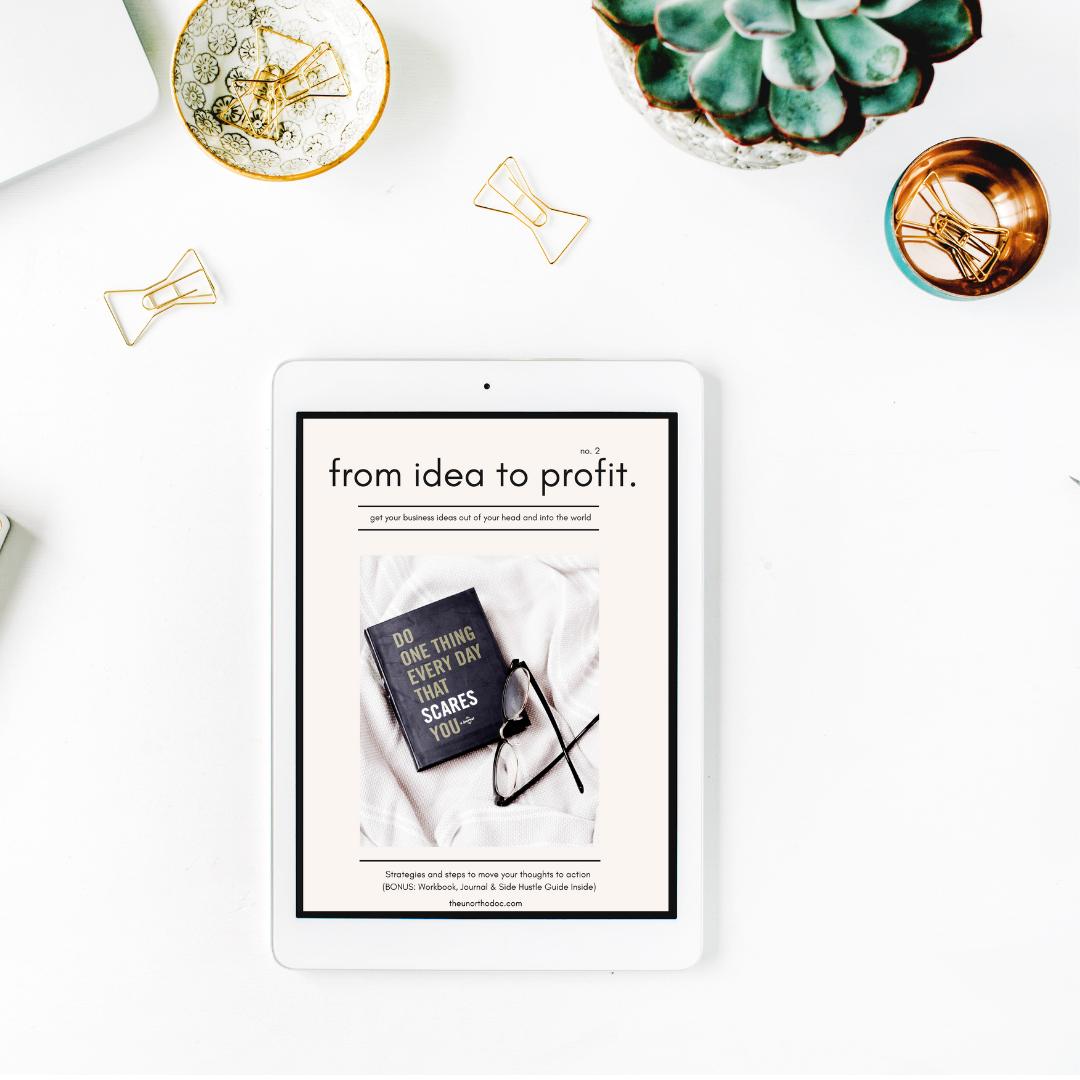
This e-book is written for those who want to get their business ideas out of their heads and into the world. It includes action packed steps to move you from thought to action in as little as 1 week.
Bonus: FREE side hustle guide, side hustle workbook and journal with this purchase

Constant and Never Ending Improvement
Improving your life usually begins with one big gesture that creates branches of change. Those branches must be constantly tended and nurtured. Its typically those small things which cause the lasting change. I have personally accomplished some of my goals this year, but I have areas that I will be working to improve . Here are some of the things I am working on and some ideas help you continue to grow:
“It’s gonna be a whole lot of ‘who she think she is?’ in 2020!”
Improving your life usually begins with one big gesture that creates branches of change. Those branches must be constantly tended and nurtured. Its typically those small things which cause the lasting change.
As 2019 comes to a close, let’s reflect on all the goals we set earlier in the year. First, give yourself a pat on the back for all your accomplishments and personal development, but also remember to evaluate areas where you fell short. Self work must be consistent to create the awareness and knowledge to make our lives better.

I have personally accomplished some of my goals this year, but I have areas that I will be working to improve . Here are some of the things I am working on and some ideas help you continue to grow:
Level Up Your Skills
Gain experience to improve your skill set. If you play a sport, strive to be a bit stronger or faster. If you write, you can aim to improve your communication and writing skills, and if you’re a medical professional like myself you can aim to gain more knowledge on certain topics, attend continuing education courses or learn from those with more experience.
Read a book
A personal goal of mine has been to read at least one book per month, which I have managed to do this past year. Books are a concentrated source of wisdom. The more you read, the more you expose yourself to knowledge. Did you know that 20 minutes of daily reading has been linked to brain stimulation and stress reduction? Knowledge is power.
Get out of Your Comfort Zone
You know the saying, smooth seas do not make skillful sailors. Real growth comes with hard work and effort. Being comfortable doesn’t help us grow. Once in a while,do something that scares you. Exposing yourself to a new environment or context makes you grow.
Have an Exercise Routine
I don’t have to go through the many benefits of exercise. Not only does it help with the prevention of disease, reduction of the levels of stress and anxiety but getting a routine takes discipline. It also increases your self-esteem and confidence.
Set BIG Goals
It’s always good to have something to aim for and I love the energy a new year brings. We get motivated, passionate and ready to blaze a trail. Setting big goals raises the level of game you play and develops creativity. You know the saying, aim for the moon, if you miss you will land among the stars.
Learn from People Who Inspire You
Think about people you admire or people who inspire you. These people reflect certain qualities you want to have for yourself. What are the qualities in them you want to have for yourself? How can you acquire these qualities? If possible, reach out and see if they can become a mentor to you.
Learn Public Speaking
Interestingly, public speaking is the #1 fear in the world. I am not very comfortable speaking to large audiences and realize this is something I have to work to improve upon. I am considering Toastmasters. Toastmasters is an international organization that trains people in public speaking.
Stop Complaining
Sometimes you need to vent to let off steam, but complaining for complaining’s sake is counter-productive and can make you feel angry or upset in the process. If you have something to gripe about, follow it up with a constructive solution that will serve to minimise future complaining.
Cultivate a New Habit
It’s not very easy to develop a new habit. On average, it takes more than 2 months before a new behavior becomes automatic — 66 days to be exact. And how long it takes a new habit to form can vary widely depending on the behavior, the person, and the circumstances. What new habits do you need to cultivate? Studies have shown the easiest habits to develop include reading books, waking up early and exercising.
Start a Business Venture
Is there anything you have an interest in? A hobby that you’re passionate about?Why not turn it into a business venture and make money while learning at the same time? Starting a venture requires you to learn business management skills, develop business acumen and gives one a competitive edge.
As 2020 approaches, think about the areas you need to work on and get a head start on them now. Onwards and upwards.




Structuring Office Hours Around The Holidays
Every year in our offices there seems to be this age old debate on holiday hours. Practice owners can get tunnel vision where we end up focusing on dollars and cents and “bottom lines.” We get a little hung up on how much we think we will be “losing” if we close the office on certain days. While office closure can affect our bottom line, with proper planning we can figure out ways to work around that issue and make it so the bottom line isn’t affected at all.
Every year in our offices there seems to be this age old debate on holiday hours. Practice owners can get tunnel vision where we end up focusing on dollars and cents and “bottom lines.” We get a little hung up on how much we think we will be “losing” if we close the office on certain days. While office closure can affect our bottom line, with proper planning we can figure out ways to work around that issue and make it so the bottom line isn’t affected at all.
There are some holidays in which it is customary for the office to be closed. Some closures depend on where you practice (City and State) and others will be at the owner’s discretion. For example, it is customary to be closed on holidays such as New Year’s Day, Thanksgiving and Christmas Day. Other holidays like Veterans Day and Inauguration Day will be dictated by state. District of Columbia, Maryland and Virginia are usually closed on Inauguration Days.
Below are the 2020 US Federal Holidays and the closures I plan for my Office:

Dr. Patrice Smith’s 2020 Holiday Schedule
In discussions with other dental professionals about holiday closures, we have different philosophies on when and how to handle closures. For me personally, the week of Christmas is a vacation week. This is the time of year I take to be with family, to relax, unwind and get ready to hit the ground running come January 2nd. I have found that team members also appreciate this time off to do the same. Some of my other dental colleagues feel differently.
Using Dental Benefits
Some of my colleagues argue that the week of Christmas is not ideal for closure since this is when patients have an opportunity to use their dental benefits which typically “run out” at the end of the year, or on December 31st.
Paid or Unpaid Holidays
This again is up to the employing doctor but can sometimes be dictated by labor laws.
Associate Doctor (Salaried) - Paid Holidays
Associate Doctor (Per Diem) - Unpaid Holidays
Full Time Staff Member - Paid Holidays
Part Time Staff Member - UnPaid Holidays
Plan Ahead & Be Creative
If you have an idea that you will take time off from the office / vacation for extended periods, one thing you can do is add one extra day per month to the schedule to make up for that anticipated time off.
Be considerate of your team, properly plan and enjoy time off. Everyone will be happy and the team will be energized and more than willing to give their all after a break.

5 Holiday Money-Saving Hacks
The holidays can be such an expensive period! It all starts in October around Halloween and it seems like every week thereafter you’re faced with a reason to spend money. From Halloween to Thanksgiving, Black Friday, Cyber Monday and then Christmas - it seems like you’re shelling out money left and right and it can swiftly ruin your budget
The holidays can be such an expensive period! It all starts in October around Halloween and it seems like every week thereafter you’re faced with a reason to spend money. From Halloween to Thanksgiving, Black Friday, Cyber Monday and then Christmas - it seems like you’re shelling out money left and right and it can swiftly ruin your budget. Here are some hacks to help you save money—and stress—this holiday season:
1. Set a budget
Consider everything you will need to spend money on, and not just gifts. Think of airline/train/bus tickets, gas money if you’re driving to family’s house, groceries for thanksgiving and christmas dinners, office parties, stocking stuffers, and anything else you typically spend money on over the holidays. Set a budget for all those items and STICK TO IT.
2. Use Cash.
After you have set your budget, take out cash. Do not use a credit card - this is to ensure you don’t over-spend and blow your budget.
3. Time Your Shopping
For thanksgiving, try to do your grocery shopping early so you can beat the rush and not be tempted to just grab things off the shelf. Turkey goes on major sale after Thanksgiving, so If you typically have it as part of your Christmas dinner, after Thanksgiving is a great time to shop for it. Other seasonal foods (like pumpkin pies) usually goes on sale too, so that is the best time to stock up and you can save money.
4. Don’t Buy Hype.
This will take some discipline - On Black Friday and Cyber Monday up until Christmas, retailers will offer lots of deals, discounts and sales. This is good, everyone loves a good deal! I Just be sure to compare prices, stay away from impulse purchases and STAY WITHIN YOUR BUDGET.
5. Watch The Weight.
Not yours - your luggage. If you’re flying over the holidays, weigh your bags before you leave. Airline fees can be upwards of $100 for overweight luggage, and some airlines charge for every checked bag! Know the rules of the airline before booking flights.
It’s the most wonderful time of the year! Don’t let shopping or travel be the cause of stress for the New Year. Just a little planning and discipline is all it takes for you to have a joyous and stress free holiday season.
If you feel like you are in an endless cycle of stress or burnout, you are not alone. In the U.S., the majority of Americans admit to feeling stress. There are various reasons for it, including anxiety over finances, healthcare, climate, and violence. If you need a break from the hustle and bustle, it might be time to take a self-care "reset" trip.