

Tax-Savvy Strategies: Maximizing Deductions for Dental Professionals and Side Hustlers
Whether you're managing your own dental practice or pursuing your passion through a side hustle, understanding the tax write-offs available can significantly impact your financial outlook. Let's delve into some valuable deductions tailored to both dental professionals and individuals with side businesses, empowering you to make impactful financial decisions.
Whether you're managing your own dental practice or pursuing your passion through a side hustle, understanding the tax write-offs available can significantly impact your financial outlook. Let's delve into some valuable deductions tailored to both dental professionals and individuals with side businesses, empowering you to make impactful financial decisions.
Essential Tools and Supplies
For dental professionals, having the right equipment and supplies is paramount for delivering top-notch patient care. The good news is that you can deduct the expenses associated with these essential items. From dental instruments and chairs to sterilization equipment and X-ray machines, keeping a record of your equipment purchases throughout the year is essential. Additionally, remember to account for costs related to supplies like gloves, masks, disposable items, and dental materials.
Investing in Expertise and Growth
In the dynamic landscape of dentistry, staying up-to-date with the latest developments is crucial. The costs you incur for attending dental workshops, seminars, courses, and conferences can be eligible for tax deductions. This encompasses registration fees, travel expenses, accommodation, and study materials. By dedicating resources to your professional development, you enhance your skills and simultaneously reduce your tax obligations.
Home Workspace Benefits
Whether you're a dental professional or a side business enthusiast, working from home might be part of your routine. If you've designated a specific area exclusively for your dental practice or side endeavors, you might qualify for a home office deduction. This deduction enables you to deduct a portion of your home-related expenses, including rent or mortgage, utilities, and related costs. It's important to ensure your home office adheres to IRS guidelines and is solely used for business purposes.

Boosting Visibility Through Marketing
Promoting your dental practice or side business is essential for attracting clients and customers. Fortunately, expenses related to marketing and advertising are generally tax-deductible. This encompasses costs associated with creating and maintaining a professional website, printing business materials, online advertising, social media campaigns, and even sponsoring local events. Maintaining a detailed record of these expenses will substantiate your deductions during tax season.
Networking and Resources
As a dental professional with a side business or blog, staying connected with your industry and accessing valuable resources is invaluable. Membership fees for professional associations, dental societies, and online communities are deductible. Additionally, subscriptions to dental publications, research databases, blogging platforms, and industry-related magazines can also be considered valid deductions. Stay informed, engaged, and enjoy the tax advantages these memberships provide.
While these deductions offer significant advantages, it's advisable to consult with a qualified tax professional or CPA who specializes in dental professionals and small business owners. They can offer personalized guidance based on your unique situation, assisting you in navigating the intricate realm of tax deductions.
Leveraging these tax write-offs allows you to optimize your tax circumstances, alleviate your overall tax responsibilities, and retain more of your hard-earned income. Embrace the advantages that come with being a dental professional and pursuing a side venture, all while making prudent financial decisions.
Here's to your ongoing success in your dental practice and your journey as a side business enthusiast. Keep shining, both in your clinical work and on your digital platform!

Step by Step Guide on How To Set Up an LLC
So you’ve decided to take that next big step and start a business or side hustle. You have your idea, business plan and everything else in place but now need to make your business legitimate. Many small business owners decide to set up an LLC for the liability protection it provides. An LLC, or limited liability company, exists separately from its owners , and the owners are, therefore not personally responsible for business debts.
So you’ve decided to take that next big step and start a business or side hustle. You have your idea, business plan and everything else in place but now need to make your business legitimate. Many small business owners decide to set up an LLC for the liability protection it provides. An LLC, or limited liability company, exists separately from its owners , and the owners are, therefore not personally responsible for business debts.
To form an LLC, you'll need to file paperwork with the state where your business is located. Every state has its own rules and procedures, but there are several steps you'll need to follow to get your LLC up and running, no matter where you live.
Step 1: Choose a name for your LLC
Get creative and choose a business name that will stand out and be memorable. Keep in mind however that most states do not allow two different business entities to have the same name. So do your research and make sure your business name is not already taken. You can't, for example, have "Lilly’s Pup Treats, LLC" and "Lilly’s Pup Treats, Inc.," even if they're located in different cities.
Do a google search and check with the US patent and trademark office to see if your proposed LLC name is available. Choosing a unique name can help avoid confusion and trademark infringement claims. Also consider whether a domain name is available that matches your business name, you will want everything to be as cohesive as possible.
If the name you've selected is available, but you aren't ready to file your LLC documents right away, you may want to consider reserving the name. Nearly every state allows you to reserve a name by filing a form and paying a name reservation fee. The length of the reservation period, filing fees, and renewal policies vary from state to state.
Step 2: Choose a registered agent
Almost every state requires LLCs to name a registered agent. A registered agent is a person who agrees to receive official documents (lawsuits, subpoenas, etc) on behalf of the LLC and to pass them along to the appropriate person at the LLC. You, the officer can be the registered agent or you can assign someone like your accountant that role if he/she set your business up for you. Some companies, like legal zoom provide registered agent services for a fee.
Step 3: File organizational paperwork with your state
You will need to file articles of organization that list things such as:
The name and address of the LLC
The length of its existence, if not perpetual
The name and address of the registered agent
The purpose for which the LLC was formed
The paperwork usually must be signed by the person forming the LLC, and in some states, the registered agent must also sign. The filing fee varies from state to state

Step 4: Prepare an LLC operating agreement
The operating agreement typically isn't filed with the state and and is usually not required by state laws. However, it is an essential way for business owners to define their rights and responsibilities and minimize future disagreements. An LLC operating agreement is a roadmap that describes how your LLC will run. Common provisions in this agreement include the statement of intent, its business purpose, the time period during which it will operate, how it will be taxed, new LLC member admissions, and member capital contributions.
Step 5: Determine licenses needed
After the LLC's formation documents are filed and approved, the state will issue a certificate or other document confirming that your LLC now exists. Once you've received the certificate, you can determine whether or not you will need specific permits or licenses—like a zoning permit or liquor license, that your business may need.
Step 6: Get an EIN
The next step is to get your Employer Identification Number (EIN). Your EIN kind of like a Social Security Number for your business. Not only is it unique to your business, but it's crucial for particular business necessities like banking, taxes, and even hiring employees.
Step 7: Register to do business in other states (optional)
If your LLC does business in more than one state, you may need to register to do business in other states. To do this, you'll need to fill out and submit paperwork that's similar to the paperwork you filed when you formed your LLC. You'll also need a registered agent in each state where you are authorized to do business.
An LLC is a popular and flexible business option that works well for many small business owners. LLCs are typically pretty easy to set up and maintain.
If you’re looking to set up an LLC and would like a trusted and reputable firm to take this off your hands, become a member of my exclusive community - The Climb and get access to all my resources
You already read The Climb letters. Now take the next step. This members-only space is for those ready to move beyond inspiration to practice intentional growth in real life.






4 Benefits of Taking a Data-Driven Approach to Run Your Dental Business
With how hectic the everyday operations of a dental practice can be, sometimes big-picture strategies are left on the back burner. However, adopting a data-driven approach and analyzing your dental business’s data is one of the surefire ways to recognize opportunities that can improve your practice.
This is a guest post by Bash Sarmiento
With how hectic the everyday operations of a dental practice can be, sometimes big-picture strategies are left on the back burner. However, adopting a data-driven approach and analyzing your dental business’s data is one of the surefire ways to recognize opportunities that can improve your practice.
Here are four reasons why you should run your dental business with a data-driven approach:
1. You figure out what works and what doesn’t
Managing your private dental practice means that you’re monitoring a lot of moving parts, from your patients to your staff to your inventory and everything in between. Being able to gather information about the different aspects of your business allows you to assess what’s working, what needs improvement, and what can be eliminated.
You are also able to distinguish any blind spots or weaknesses in both your business and actual practice. While trusting your intuition is always a good approach, this may cause you to overlook crucial opportunities for improvement, SoftwarePundit points out. Not studying your data may lead you to overestimate certain features of your practice that can be detrimental to your performance.
Being more mindful of your business’s data, staying on top of collecting, measuring, and analyzing them, helps you identify opportunities to improve. It can also maintain and enhance cost-benefit ratios for both the dental care providers and the patients. Gathering and analyzing data doesn’t have to be labor-intensive like you might think, you can easily create an automated Google sheet dashboard to better showcase your data.
Improvement does not always have to be grand either, as big-picture metrics may not properly encompass the day-to-day way things operate. Adopting changes according to your data analysis may not present an immediate impact, but over time and with the right approaches and techniques, you will find that you are getting your desired results in the most efficient way possible.

2. Your patients will receive better care
Analyzing your data makes it easier to catch details regarding your patients’ oral health, like whether or not you are experiencing high patient attrition rates or you could possibly be underdiagnosing certain oral diseases compared to the national statistics. Of course, to realize the latter, you must first be able to gather the appropriate data in your own practice to refer it to the national averages.
The best way to gather patient data efficiently is to consider switching to electronic dental health records (EDRs). This gold mine of data can greatly help you better organize your patients’ information and assess your delivery of quality care.
Your metrics coupled with discussions with your staff on how to better approach these oversights will greatly benefit your patients as you provide them with quality care and services. It also keeps your practice running efficiently to deal with different cases.
3. The numbers are great motivators
By having the hard data, not only are you able to see how your business is doing currently, but it also helps you set reasonable and attainable goals moving forward. Sharing your data with your staff can also help them understand any problems you, as a collective, might be facing or any points of improvement everyone can contribute to refining.
Your data can support any areas you are excelling in, while also presenting any probable lapses in services or operations. Since each team member has their own role, they can focus on the data related to their responsibilities and possibly help their colleagues in their respective fields too. Your team may be able to effectively meet and even exceed their goals given the data available to them.
As you continue to measure your data and see that the metrics are improving, presenting the positive changes to your staff can be a great motivational tool for them. Recognizing your staff’s hard work and being able to back their improvement with tangible data can make the praise all the more rewarding. This can also improve your employees’ satisfaction rate in the business which in turn creates a culture of growth and continued improvement in the team.
4. Improvements beyond your own practice
The data you gather will not only help improve your own business but can serve a greater purpose for the dental community as a whole. Newer technology makes it possible to provide and access a plethora of dental record data which makes it easier to study which dental therapies work and which need updating, according to Dental Economics. Problem-solving and advancements in the dental industry may now be easier to develop as the data required to promote these changes will be easier to gather, manage, analyze, and access.
Data in this day and age is a valuable commodity. While it may take some time getting used to staying on top of recording and analyzing your data will greatly impact your business. Adopting a data-driven approach to your practice will not only propel you to a more efficient and successful dental practice but will also aid in the movement towards an improved dental industry.

Meet bash Sarmiento
Bash Sarmiento is a writer and an educator from Manila. He writes laconic pieces in the education, lifestyle and health realms. His academic background and extensive experience in teaching, textbook evaluation, business management and traveling are translated in his works.
Find him on Instagram and LinkedIn

How Dentists Can Start Their Own Practice While Repaying Student Loans
The key to successfully starting a dental practice is to plan for it. That means saving up, optimizing your credit score, and making yourself attractive to lenders so that when it comes time to take out a dental practice loan you will easily be approved.
Dental school graduates have among the highest amounts of student loan debt compared to other graduate degree types, most graduating with more than $300,000. While that might seem like a lot, dental grads also have significant earning potential, which means that it's possible for them to repay their loans and still fulfill their dream of opening their own practice.
The key to successfully starting a dental practice is to plan for it. That means saving up, optimizing your credit score, and making yourself attractive to lenders so that when it comes time to take out a dental practice loan you will easily be approved.
Here are some smart steps dentists can take to get their finances in order and work their way toward starting or acquiring a dental practice.

Focus on Earning Steady Income and Improving Your Credit
Before diving in headfirst to start your own practice, it's important to take a step back and consider the benefits of building your experience as a dentist while earning money along the way. "It's hard to start up a dental practice right out of school for a few reasons," said Adam Glassberg, financial counselor with Chicago-based D3 Financial Counselors, who works primarily with young medical professionals. "First, it might be hard to market your services with little or no experience. Second, working as an associate will also put you in a better financial position."
In addition to earning income and developing more experience, the extra time spent working as a dental associate prior to starting your own practice will allow you to focus on building your credit score. According to Glassberg, that means doing things you likely already know you should do, such as making your student loan and credit card payments on time.
But it also means doing some things that you might not realize improve your credit, such as being mindful of keeping your total debt amount low.
"For example, you want to keep your total debt to less than 30% of your credit outstanding," said Glassberg. "If you have a credit card with a $10,000 limit, you want to make sure your balance on the card doesn't exceed $3,000. Any more than that, and your credit score could suffer." He also recommends that you keep your oldest credit accounts open. "Credit companies look at how long you have had access to credit, and so closing old accounts might have a negative impact on your credit score," Glassberg said.
Meet With a Financial Planner
If you're feeling a bit overwhelmed at the prospect of starting a practice and paying your student loans, it would also be beneficial to reach out to someone who can help you create a plan. A financial planner who specializes in working with health professionals is probably your best bet.
Glassberg believes it's critical that you work with a financial planner, since they help you consider things you might not have thought about. For example, he recommends that his clients save money in an emergency fund to cover any unforeseen expenses for up to one year before starting a practice. "It's important to have that emergency safeguard," Glassberg said, "because you can't depend on making money from your practice in that first year." A financial planner will also help you optimize your assets and manage your student loans in order to prepare you for applying for a loan to start or buy a practice.
Find the Best Student Loan Repayment Option
Dentists have several options to manage and repay their student loans, and it's worthwhile to look into each one to determine which is right for your situation. Here are a few options that you can consider for tackling your student debt:
Consider Refinancing Your Student Loans
Because practice loan lenders like to see that the dentists they lend to have more cash on hand, it is often a good idea for dentists to refinance their student loans to lower interest rates with longer terms. This will enable you to lower your monthly payments so you can start saving for your practice.
When you refinance student loans, you're taking out one new loan to replace one or more existing loans often receiving a lower interest rate than what you were previously paying. Private lenders like CommonBond, SoFi, Splash Financial or LendKey offer refinancing options that could save the average dentist thousands over the life of their student loans.
"If you can reduce the interest rate or extend your repayment term, you can lower your payments which would give you more cash flow in order to start your practice," said Glassberg.
Refinancing your student loans enables you to both lower your monthly payments and lower your debt-to-income ratio, which can be helpful when it comes time to apply for a practice loan.
Explore Federal Student Loan Programs for Dentists
Refinancing isn't always the best option for every dentist, however. The federal government offers several programs specifically for dentists that private lenders don't offer. In order to be eligible for most of the government programs, dentists are generally required to work within Health Profession Shortage Areas (HPSA) or a Medically Underserved Area or Population, as defined by the U.S. Department of Health and Human Services.
A few of the government programs available to dentists include:
National Health Service Corps (NHSC) Loan Repayment Program
Under this program, dentists can receive up to $50,000 to repay their dental school loans in exchange for a two-year commitment to work at an approved NHSC site in a high-need, underserved area.
Army Dental Corps Programs
If you serve as a dentist in the U.S. Army, you may be able to get up to $120,000 in student loan repayment assistance, as the Active Duty Health Professions Loan Repayment Program offers $40,000 per year for a maximum of three years.
State-specific options:
In addition to federal government programs, most U.S. states offer student loan repayment assistance or forgiveness for dentists who work in medically underserved communities. These options vary from state to state, so it's worth exploring the options available in your state.
If any of the situations listed above apply to your desired career path, then it would be worthwhile to explore some of the federal and state student loan repayment options available to dentists.
Apply for a Practice Loan
Once you have great credit, strong work experience, a robust emergency fund and have found the best student loan repayment option for your circumstances, you're ready to apply for a loan to start your practice.
According to Glassberg, this is when your hard work to save money will pay off: The more assets you have and especially the more liquid assets you have – the more likely you are to obtain a loan.
Here are some of the top factors to keep in mind when it comes time to apply for a dental practice loan:
Create a business plan
Before giving you a loan, lenders need to understand how you will manage and grow your practice, including how you'll run day-to-day operations and get new patients. Generally, lenders are wary of lending to you until they believe you have a proven business, so having a solid business plan to share with them will help the process significantly. This article in Dental Economics offers useful steps for dentists to take in creating a business plan.
Be prepared to share necessary documents and information with lenders
In addition to a business plan, when applying for a practice loan, you'll need to be able to share further information with lenders. This includes information such as the purpose of your loan, the amount you intend to borrow, debt service coverage, primary collateral, debt-to-worth ratio, management experience, and your credit score.
Get life insurance and disability insurance
It's common practice in the dental lending industry to require these policies to be in place as collateral for the loan in case something happens to the dentist. Insurance is a big factor in mitigating a lender's risk that a dentist would be unable to repay the practice loan due to death or disability.
Determine what type of loan you need and choose the right lender
Once you have all of these other elements in place, you'll be in a good position to apply for your practice loan. At this stage, you should determine the desired term of your loan –generally you can choose between repaying your loan in 7 or 10 years and select the best lender, depending on which offers the best interest rate and terms for your situation. Lenders that offer practice loans include Bank of America, US Bank and Wells Fargo. It may also be worthwhile to explore a website like Fundera, which can connect you with a variety of small business lenders and allow you to choose the best option.
In addition to these considerations, Glassberg recommends that dentists looking to start up their own practice continue working as an associate at another practice as they get their own practices up and running in order to help with cash flow, which certain lenders require. And, in some cases, acquiring an existing practice might be a better bet, according to Glassberg. "Because the practice is already up and running the terms of the loan could be more favorable since it is a lower risk loan," he says.
While paying down your loans and starting your practice might seem daunting – it's entirely doable. With a plan and some hard work, you'll be able to open the doors of your own practice in no time.
This is a sponsored post from Commonbond and may contain affiliate links.


Should You Lease or Buy a Space For Your Start-Up Dental Practice
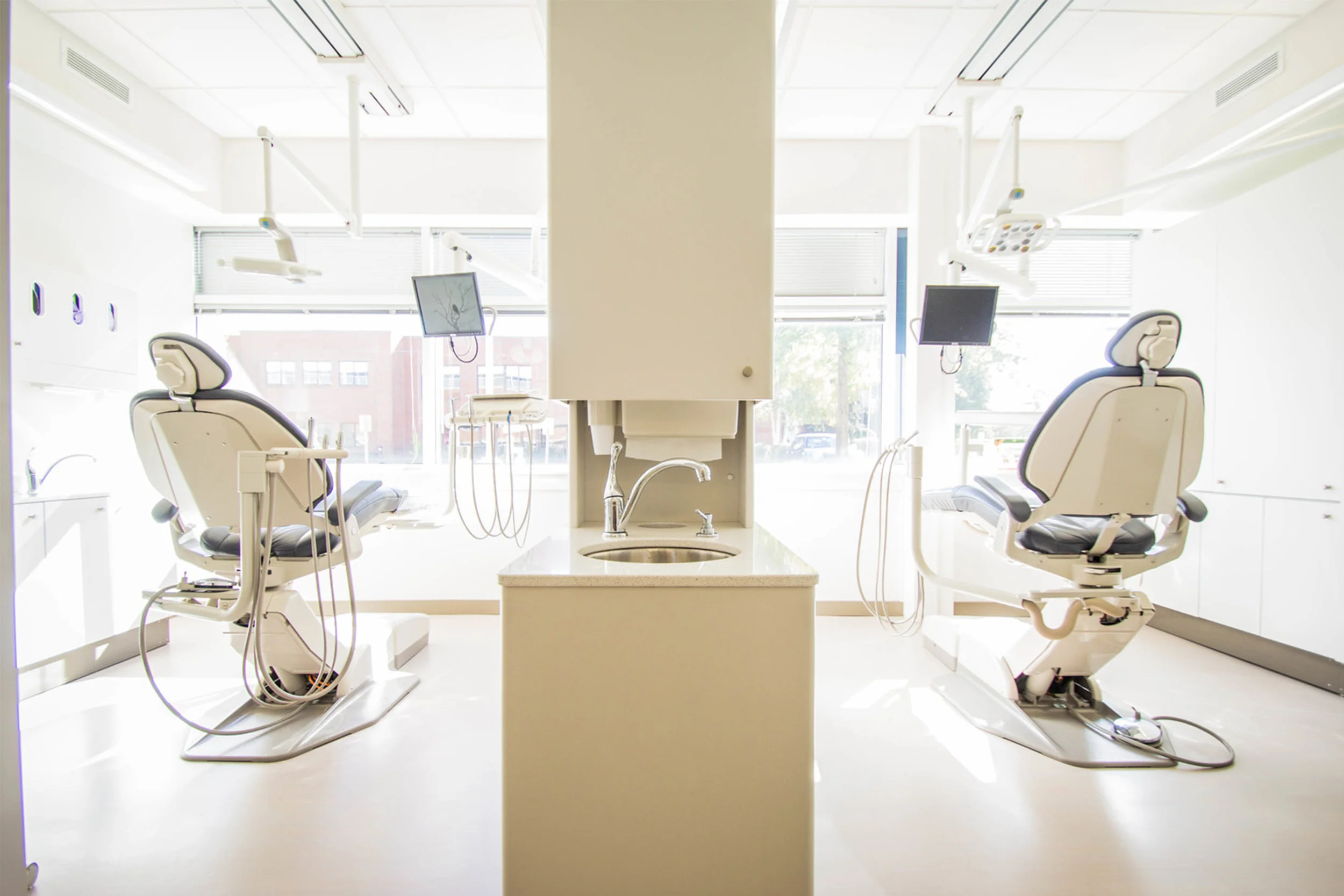
One of the most common questions among dentists who want to start their own practice is whether to buy or lease a commercial property. Through in-depth analysis, it was concluded that buying commercial property is the better option if you plan on staying in the same location for 7 or more years.
One of the most common questions among dentists who want to start their own practice is whether to buy or lease a commercial property (Practice real Estate). Through in-depth analysis, it was concluded that buying commercial property is the better option if you plan on staying in the same location for 7 or more years. Therefore, considering the growth of your business will be a large decision making factor in choosing whether to lease or buy a space.
On average, over a 15 year occupancy period, leasing commercial real estate costs as much as 86.6% more than buying commercial real estate. In cases where you lease a space for less than 7 years, oftentimes this cost will be less than buying. Therefore, seven years is considered the “breakeven” point in terms of occupancy costs.

When determining whether to buy or lease commercial property for your practice, there are some questions to ask yourself:
Will I outgrow my space, and if so, how many years will it take for me to outgrow my space?
Am I in a position to tie up capital in commercial real estate?
Do I want the flexibility of leasing? Or do I prefer the stability of having a mortgage?
Am I up for the challenge and the hassle of maintaining a property?
What are the local trends in the commercial real estate market?
There are benefits to both leasing and buying a commercial space and by considering the pros and cons of each, you will be able to choose the path right for yourself.
Commercial properties tend to store their value, making them a good investment. Additional benefits to purchasing real estate include, but are not limited to, equity upside, asset appreciation, rental potential and tax benefits. On the other hand, when leasing a commercial space, you have more liquidity, more flexibility, and additional tax benefits you are able to take advantage of.
Overall, it is important to take the time to plan both your short term and long term goals in order to determine whether buying or leasing is the best choice to make. Ultimately, however, it is important to remember not to sacrifice location on the basis of buying or leasing a space for your dental practice. If investment in property is your concern, you always have the option to buy other real estate for investment purposes.
Guest Post by Armincoinc

Steps To Opening Your New Dental Practice
There are many factors involved in opening your own dental office which can be both confusing and overwhelming. Knowing the correct steps to take can help you save a lot of time and money and keep you on track to starting your dream dental practice.
Ever since the thought of becoming a dentist crossed my mind back when I was a teenager, the goal of opening my own practice was right behind it. From my parents who were exemplary business owners to my dentist and mentor who had his own practice, the thought of working for someone else was never an attractive option for me. Fast forward a few years post-residency with a lot of experience in the field of dentistry under my belt, owning my dental practice has become a dream realized.
There are many factors involved in opening your own dental office which can be both confusing and overwhelming. Knowing the correct steps to take can help you save a lot of time and money and keep you on track to starting your dream dental practice.

1.Knowing Your Budget
The average cost to open a start-up dental practice is more than most people think. Depending on your location, most start up practices range from $350k - $450k in total costs. Before looking at spaces, or meeting with equipment companies and other specialists, the focus should be on talking to banks and getting approval for a loan.
2. Finding The Best Location
The location of your practice is first and foremost the best method of exposure for your future office. You want patients and lead sources to find you easily and quickly. An experienced realtor in the dental industry is your best resource when locating a space. They will help you find a location in good proximity of your targeted patient demographic and within your budget.
3.Selecting an Architect and Contractor
Once a potential space is located, it is time to begin dialogue with an architect or contractor who are experts in the dental industry. An experienced architect or contractor will be able to point out any red flags or potential hazards within a space that can affect costs significantly. They can also help provide a preliminary construction proposal to ensure the project stays within your budget.
4. Receiving Equipment, Cabinetry, IT and Computers
Architectural plans take approximately 8- 12 weeks to be completed and approved from the local governing body. Within this time frame is when equipment, cabinetry and IT/computer bids should be selected and received.
5. Planning for Staff
The construction period takes anywhere from 60 to 100 business days depending on the locations and size of the project. During this time you should be finding the right employees for your practice size and making sure you have everyone you need to run your office come opening.
6. Double Checking All Licensing & Legal Needs
It is very important to not push this step back. It can take months before you can accept insurances and in addition, you will need to be licensed in your state, have a national provider identifier number, and register with the DEA. All this needs to be done before construction is finished so you can start practicing right away.
7. Marketing
Planning is key, get the word out any and all ways you can from Social media (Instagram, Facebook, Tik Tok, Snapchat), TV ads, prints ads, online ads, promotional events, etc. Develop your website so that it stands out but also simple enough for patients to schedule.
When planned carefully and properly managed, the process towards opening your new dental practice can be exciting and fulfilling.
In part, a Guest Post by Sasha Hewadpal & Araik Safarian at: Arminocoinc
When people talk about practice ownership, the conversation usually centers around two stages.
The beginning.
And the growth phase.
The beginning is full of adrenaline. There’s the leap into entrepreneurship, the excitement of finally building something that belongs to you. After years of training and working within systems someone else created, ownership feels like freedom.
Then comes growth.
Growth is the stage everyone celebrates. More patients. Expanding teams. Increased production. New systems. New marketing strategies. Conferences and podcasts dedicated to scaling.