

The Cost of Instant Gratification: A Practitioner’s Perspective on the Current State of Healthcare
In the middle of a regular weekday, I found myself reflecting on something that has become increasingly hard to ignore.
There’s been a shift - not just in orthodontics, but across dentistry and healthcare at large.
Patients today often come in with high expectations. That in itself isn’t new. But what is new is the nature of those expectations: immediate, sometimes clinically unrealistic, and often shaped by what they’ve seen online. More and more, people want results that are fast, flawless, and affordable - even when those desires don't quite align with science or reality.
This isn't a critique of patients. It’s a commentary on the cultural shift we’re all navigating.
We live in a time of instant gratification. Two-day shipping. Before-and-after transformations that skip the journey in between. Filtered content that makes perfection seem routine. And the result is a growing disconnect between what healthcare actually requires and what many now expect it to be.
In the middle of a regular weekday, I found myself reflecting on something that has become increasingly hard to ignore.
There’s been a shift - not just in orthodontics, but across dentistry and healthcare at large.
Patients today often come in with high expectations. That in itself isn’t new. But what is new is the nature of those expectations: immediate, sometimes clinically unrealistic, and often shaped by what they’ve seen online. More and more, people want results that are fast, flawless, and affordable - even when those desires don't quite align with science or reality.
This isn't a critique of patients. It’s a commentary on the cultural shift we’re all navigating.
We live in a time of instant gratification. Two-day shipping. Before-and-after transformations that skip the journey in between. Filtered content that makes perfection seem routine. And the result is a growing disconnect between what healthcare actually requires and what many now expect it to be.
Orthodontics Isn’t Amazon Prime
Orthodontic treatment is a biological process. It involves careful planning, time, and individualized strategy. Teeth don’t move overnight. Bone remodeling can’t be rushed. Every adjustment is a calculated step toward long-term health and function, not just aesthetics.
Yet today, there's a widespread desire for “Amazon Prime” results. Fast, flawless, and inexpensive. When those expectations aren't met no matter how clinically successful a case may be, it can lead to significant frustration on the patient’s end. Unfortunately, that frustration often gets directed toward the provider.
Negative online reviews. Social media complaints. Misleading portrayals of the practice. These things can happen even when we’ve poured our skill, ethics, and care into a case.
Healthcare Results Require More Than Speed
Whether it’s orthodontics, general dentistry, dermatology, or any branch of medicine, meaningful outcomes require:
Time
Clinical expertise
Mutual trust between patient and provider
This is not just a cosmetic service. It's your health. Your face. Your smile. And it cannot be mass-produced or expedited like an online order.
A Broader Shift in the Healthcare Landscape
This shift in patient perception isn't limited to orthodontics. It echoes across the entire healthcare system.
Primary care providers are being pressured into quick fixes. Mental health professionals are expected to undo years of trauma in a few short sessions. Surgeons and aesthetic specialists are asked for red-carpet results with zero downtime.
Healthcare has become part of the instant gratification economy, and that’s a problem.
For providers who entered this field with a heart for helping others, the current climate can be disheartening. We're navigating not just the complexities of treatment, but also the weight of expectations set by algorithms, trends, and marketing - not by medicine.
What Can Be Done?
We need to return to education, communication, and boundaries.
Healthcare providers must continue educating patients about what’s realistic, sustainable, and safe. We must communicate openly about timelines, trade-offs, and outcomes. And we must hold boundaries, even when it’s uncomfortable.
It’s okay to say, “No, that’s not in your best interest,” even when a patient asks for it.
We can lead with empathy while remaining grounded in evidence. We can be supportive without being subservient to unrealistic demands. We can offer excellent care, not just fast service.
If you're a fellow provider feeling the weight of this shift, you’re not alone. This moment is asking a lot of us, not just our clinical skills, but our patience, resilience, and professionalism.
And if you’re a patient trying to navigate the overwhelming sea of healthcare information and expectations, I encourage you to ask questions. Seek understanding. Allow space for the process.
True transformation doesn’t happen in 48 hours. It happens when both patient and provider are committed, informed, and working together.

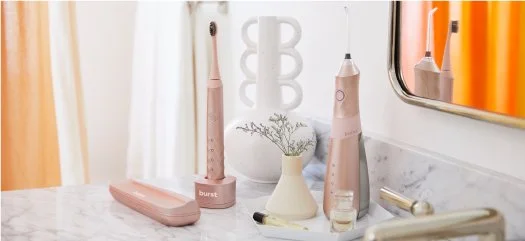


My Interview on Oral Health Disparities & Orthodontic Basics with Dialosophy
I had the wonderful opportunity to meet with Adia Louden of Dialosophy and answer some questions on oral health, oral health disparities , and to go over some Orthodontic basic. Enjoy our Q & A session.

I had the wonderful opportunity to meet with Adia Louden of Dialosophy and answer some questions on oral health, oral health disparities , and to go over some Orthodontic basic. Enjoy our Q & A session below:
Q: Dr. Smith, thank you for agreeing to talk with me on Dialosophy. I think before we get started…I’d be especially interested in hearing a bit of your story. How’d you get into orthodontics? And please don’t hold back. Educate us on the difference between dentists and orthodontists. What do kmorthodontists do?
A: I developed a liking for dentistry at around the age of 16. At that time, I was headed to college and I had to choose a major (I am Jamaican, at that time it was customary to finish high school at age 16). I had a family friend who was a dentist who encouraged me to pursue a career in dentistry, so I enrolled in the dental hygiene program at Northern Caribbean University - the only dental related program in the country at the time. Towards the end of my program I realized I wanted to do more than just clean teeth. That's when I decided to become a dentist, so I moved to the US, got a bachelors degree in Biology and applied to dental school. I was accepted into Howard University in 2010. After my first year I really started thinking about specializing. At first, I thought I wanted to be an Oral Surgeon (dead wrong, I don't have the personality for it). I started frequenting the Orthodontics department and quickly fell in love with it, so I did everything to align myself with getting accepted into Orthodontics residency. Quite a number of people don’t know the difference between an Orthodontist and a dentist. Orthodontics is a specialty of dentistry that focuses on aligning the jaws and teeth. We focus on how teeth meet and function, how they are aligned, how they are set in the jaws, and the positioning and sizes of the upper and lower jaws. Orthodontists go through two to three years of additional training after the initial four years of dental school.
Q: Thank you for sharing. So, let’s get right to it. Oral hygiene. Something that’s clearly important, but I know I’m not alone when say I often neglect it. I recently read about the oral health disparities that exist in our country, especially among people of color. So, I want to take a moment to ask you to expand on just how important is our oral care really? What do you recommend as “proper” oral care habits?
A: Oral healthcare is more important than a lot of people might realize. Your oral health can clue you in as to your overall health and conversely, your overall health can affect your oral health. Brushing, flossing and using a mouth rinse at least twice per day to remove the bacteria from the mouth are steps to make in forming proper oral care habits.
Q: What is being done to address the aforementioned oral health disparities in our nation? Especially among women and communities of color.
A: Despite major improvements in oral health for the population as a whole, oral health disparities exist for many racial and ethnic groups, by socioeconomic status, gender, age and geographic location. The economic factors that often relate to poor oral health include access to health services and an individual’s ability to get and keep dental insurance. This is an issue that different dental organizations have been trying to address. Interventions such as community water fluoridation, school-based dental sealant programs, incentive programs for dentists to live and work in deep rural areas and the implementation of dental auxiliaries are ways in which these issues are being combatted.
Q: I believe I saw on Instagram that you have your own organization where you venture and do mission trips to aid in disparity efforts globally. Please tell us about what you have done personally to address oral health disparities.
A: Correct. I am the co-founder of a dental non-profit organization “Dental Helping Hands”
along with two of my classmates/colleagues from dental school. It was founded to provide dental health services to underserved communities in developing countries. Our aim is to empower and support the communities we serve by partnering with local dental professionals to share knowledge. By providing communities with education on preventative measures to improve dental health, we honor, support and empower those with less and assist them in becoming self-sufficient. Our goal is to focus on preventative education while providing patients with a safe environment for necessary care.
I do at least one mission trip to my home country, Jamaica, per year and provide dental services to people of a deep rural area with no access to dental care. I partner with Dr. Mark Edwards, my mentor and the dentist who encouraged me to get into dentistry. He’s also the Dean of the College is Dentistry at the University of Technology and so we get student volunteers from the two dental schools on the island and dental hygiene students from my alma mater - Northern Caribbean University to help carry out our mission.
Q: Is there a connection between oral health and other health conditions? Which oral health symptoms should NOT be ignored?
A: Oral healthcare is more important than a lot of people might realize. Your oral health can clue you in as to your overall health. The oral cavity has a lot of bacteria (mostly harmless) but the mouth is the gateway to the digestive and respiratory tract. Blood vessels in the mouth also have a direct connection to the heart. Normally, the body’s natural defenses and good oral hygiene habits like daily brushing and flossing (at least twice per day) keep bacteria under control. However, without proper oral hygiene bacteria can reach levels that might lead to oral infections, such as tooth decay and gum disease. It can also lead to endocarditis, cardiovascular disease, pregnancy and birth complications and pneumonia. Other health conditions like diabetes and osteoporosis can drastically affect oral health.
Q: I think with so many trends going around now like charcoal toothpaste, which I’m currently trying ,….and at-home whitening systems…and home remedies such as oil pulling and baking soda…it can be confusing AND EXPENSIVE finding ways to whiten your teeth. How can we improve the whiteness of our teeth? Do you have any favorite products that you’d recommend?
A: Don’t underestimate the power of brushing and flossing, that’s key. Teeth inevitable begin to yellow with age, but a range of strategies can slow the progress or reverse it. Ways to whiten teeth are brushing with baking soda, using hydrogen peroxide, drinking coffee or tea through a straw, getting regular cleanings at the dentist’s office, over the counter whitening products like whitening strips and gels, and in office professional whitening at the dentist’s office. One of my fave whitening toothpastes is Crest 3D White/Brilliance.
Q: Merging into some orthodontic basics, what are some of the most common orthodontic problems?
A: The most common orthodontic problems are crowding, excessive spacing, abnormal eruption of teeth, a cross bite, underbite, overbite and excessive over jet.
Q: I imagine it’s common for children to get braces more than adults. And from talking to a few older women, braces doesn’t seem like a move older women try to make because of a variety of reasons (“beauty standards” probably being one of them). I have also noticed a few parents that will wait for their children to get braces. So, is there an “ideal age” for orthodontic treatment?
A: Most people think that the best time to have their child see an Orthodontist is during the pre-teen and teenage years. However, there are good reasons to have your child get an orthodontic evaluation a lot sooner. The American Association of Orthodontists (AAO) recommends a check up with an orthodontic specialist no later than age 7.
Q: Does dental hygiene and orthodontic treatment differ during pregnancy? If so, what does that look like?
A: Pregnancy may make women more prone to cavities and periodontal disease. This is partly due to hormonal changes, dietary changes and even morning sickness (stomach acids which can erode the teeth). Oral health is an important part of prenatal care, given that poor oral health during pregnancy can lead to poor oral health outcome for the mother and the baby.
Q: The last question for you, Dr. Smith, is all about you…and your favorites…and what you (as the expert) think we should be using (feel free to hyperlink). Before we get your favorites, thank you so much for taking the time to share a bit of your story and the importance of oral hygiene. I can speak for myself and say I definitely plan to use the information you shared because I don’t have time for anymore cavities. I got my first one this past summer, and ONE is enough for me. The whole procedure was traumatizing (LOL seriously). Thanks again, Dr. Smith, for sharing of piece of you…with Dialosophy.
Fav Toothpaste: Crest and Colgate are popular options. However, at the moment I’m really in love with Risewell. It’s a company that is all-natural and uses nano-hydroxyapatite instead of fluoride. Hydroxyapatite is a naturally occurring mineral that’s found in teeth and that helps in the remineralization of enamel. Studies have shown where it is more effective and safer than fluoride.
Fav Toothbrushe(s): An electric toothbrush is very helpful in removing plaque and debris from teeth. Popular options are ones from Oral B or Phillips Sonicare. However, a smaller, more light weight and inexpensive option is Quip. I really like quip because they are on a mission to really help individuals keep up with good oral hygiene habits. They send you a new brush head and toothpaste every 3 months with a subscription. I consider them the dentist's allying the fight for good oral hygiene.
Fav Mouthwash: I really like ACT because it doesn't contain alcohol and has fluoride that helps in preventing cavities. Recently I've been using and liking the mouthwash from Risewell. It uses nano-hydroxyapatite instead of fluoride and also does not contain fluoride.
Retainer Care: Retainers can be kept clean with brushing it with mild soap and a soft toothbrush. A product that I really love is Ever smile White Foam.

Dialosophy
Promoting the health, success, and human rights of all women


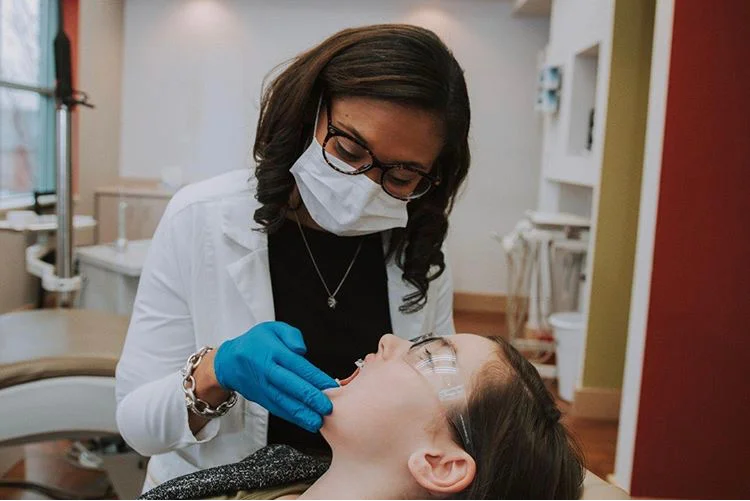
The Right Time For Your Child To See An Orthodontist
Most people think that the best time to have their child see an Orthodontist is during the pre-teen and teenage years. However, there are good reasons to have your child get an orthodontic evaluation a lot sooner.

Dr. Patrice Smith performing an Orthodontic evaluation.
Most people think that the best time to have their child see an Orthodontist is during the pre-teen and teenage years. However, there are good reasons to have your child get an orthodontic evaluation a lot sooner. The American Association of Orthodontists (AAO) recommends a check-up with an orthodontic specialist no later than age 7.

Why Should Your Child Get An Orthodontic Check-Up No Later Than Age 7?
Orthodontists can spot subtle problems with jaw growth and emerging teeth while some baby teeth are still present.
While your child’s teeth may appear to be straight, there could be a problem that only an orthodontist can detect.
The check-up may reveal that your child’s bite is ne. Or, the orthodontist may identify a developing problem but recommend monitoring the child’s growth and development, and then if indicated, begin treatment at the appropriate time for the child. In other cases, the orthodontist might find a problem that can benefit from early treatment.
Early treatment may prevent more serious problems from developing and may make treatment at a later age shorter and less complicated.
In some cases, the orthodontist will be able to achieve results that may not be possible once the face and jaws have finished growing.
Early treatment may give your orthodontist the chance to:
guide jaw growth
lower the risk of trauma to protruded front teeth
correct harmful oral habits
improve appearance
guide permanent teeth into a more favorable position
improve the way lips meet
Through an early orthodontic evaluation, you’ll be giving your child the best opportunity for a healthy, beautiful smile.
Because patients differ in both physiological development and treatment needs, the ortho- dontist’s goal is to provide each patient with the most appropriate treatment at the most appropriate time.
The original article can be found on the AAO website here

Risewell: A Fluoride-Free Solution To Oral Care
I love finding products that I feel comfortable recommending to my patients and that I can get behind! Recently, quite a number of my patients have been inquiring about natural dental products that are free of fluoride and some of the other popular (and sometimes toxic) ingredients that we have come to expect to be in our products.
I love finding products that I feel comfortable recommending to my patients and that I can get behind! Recently, quite a number of my patients have been inquiring about natural dental products that are free of fluoride and some of the other popular (and sometimes toxic) ingredients that we have come to expect to be in our products. Until now I wasn’t able to recommend a product that is not only effective in removing and inhibiting plaque and bacteria build up but that also remineralizes enamel (without the use of fluoride). This is why I was really excited when I was introduced to Risewell. Risewell is brand of a fluoride-free, clinically effective natural dental products (toothpaste, mouthwash, floss) that uses the highest quality non-toxic ingredients to provide exceptional oral care.
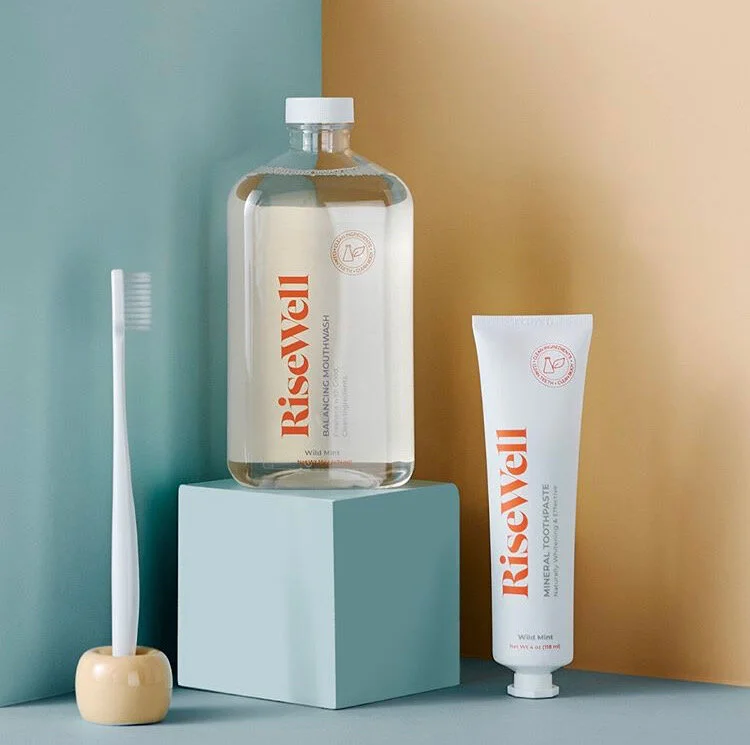
Instead of Fluoride, Risewell uses hydroxyapatite. Hydroxyapatite is a naturally-occurring mineral that makes up 90% of tooth enamel and bone. Like Flouride, it helps to protect teeth from decay, but it also remineralizes and strengthens teeth from the outside in. It is completely natural and non-toxic. RiseWell swaps in 100% safe and natural alternatives that clean and protect just as effectively. Most natural toothpastes don’t work as well as traditional fluoride toothpastes; and if they do, they’re likely not as toxin-free as they claim to be.
I was able to try Risewell’s products and I have been using them for about a month now. While I am not currently able to speak on the remineralization process from a personal standpoint (because I do not have any incipient carious lesions), I was pleasantly surprised by the fresh, clean taste and smell of their products. While I really like the refreshing taste of the toothpaste and mouthwash, I am especially impressed with the floss as it is also infused with hydroxyapatite. With the floss also having this product, it is now easier to introduce the remineralization effect to the hard to reach inter proximal areas of teeth.
Backed by their team of board-certified dentists and doctors, Risewell is committed to using the very best ingredients, no matter the cost, to deliver oral care products that are both incredibly effective and 100% clean. If you would like to try Risewell, order below and recieve 10% by using the code: UNORTHODOC10.

UnOrthoDoc x Risewell
Use Code: UNORTHODOC10 for 10% off on your order.

Harmful Effects of DIY Braces
Do-It-Yourself (DIY) braces and at-home teeth straightening kits have become a trend popping up all over the internet, promising dentist-quality results at a fraction of the price. While I understand how attractive these may look and sound, unfortunately, things that sound too good to be true often are. As an orthodontist I have seen some pretty damaging effects of DIY braces and wanted to share a few facts about this dangerous trend.
*WARNING: THIS POST CONTAINS GRAPHIC IMAGES *
Do-It-Yourself (DIY) braces and at-home teeth straightening kits have become a trend popping up all over the internet, promising dentist-quality results at a fraction of the price. While I understand how attractive these may look and sound, unfortunately, things that sound too good to be true often are. As an orthodontist I have seen some pretty damaging effects of DIY braces and wanted to share a few facts about this dangerous trend.
What Are DIY Braces
We consider DIY braces anything that you do yourself to facilitate the movement of teeth. There are videos posted online where teens and young adults use items like rubber bands, dental floss, fishing lines, earring backs, paper clips, and more to move their teeth. These items are often found embedded or covered by gum tissue. Mail order aligners are becoming very popular but many of their disadvantages are not being addressed. Here we will discuss some reasons why seeing an orthodontic professional is best.

Harmful Effects of DIY Braces
Orthodontic treatment is about more than just straightening teeth. It involves moving of teeth and bone to restore proper form and function. It must be managed properly to yield the best results. Attempting to close a gap or straighten your teeth yourself significantly increases the risk of serious damage to your teeth and gums, resulting in tooth loss, changes in speech and possible infection. It is also worth considering that repairing the damage from DIY procedures could be far more expensive than the investment in an orthodontic specialist.
Tooth Loss
Using tight rubber bands or other materials to adjust your smile quickly is detrimental to tooth health. Rather than create the straight smile you crave, makeshift braces could destroy your teeth at their roots.
Unrestricted blood flow is necessary to maintain healthy teeth and gums. Makeshift braces and ill fitting DIY clear aligners can impinge on the tissues and cause unwanted movement of teeth. That subsequent movement can result in conditions such as the one seen below and cause a host of other issues that will require an immediate visit to your dentist.

Infection
Since DIY braces involve nonsterile, nonmedical-grade supplies, it’s easy to develop an infection. Rubber bands, paper clips, and similar items can cut into the gums and injure the tissue, causing open sores that aren’t able to heal while you continue to wear the makeshift braces. A gum infection may not sound serious, but it can cause damage to the surrounding tissues, severe bone loss, and spread through your circulatory system.

Speech Problems
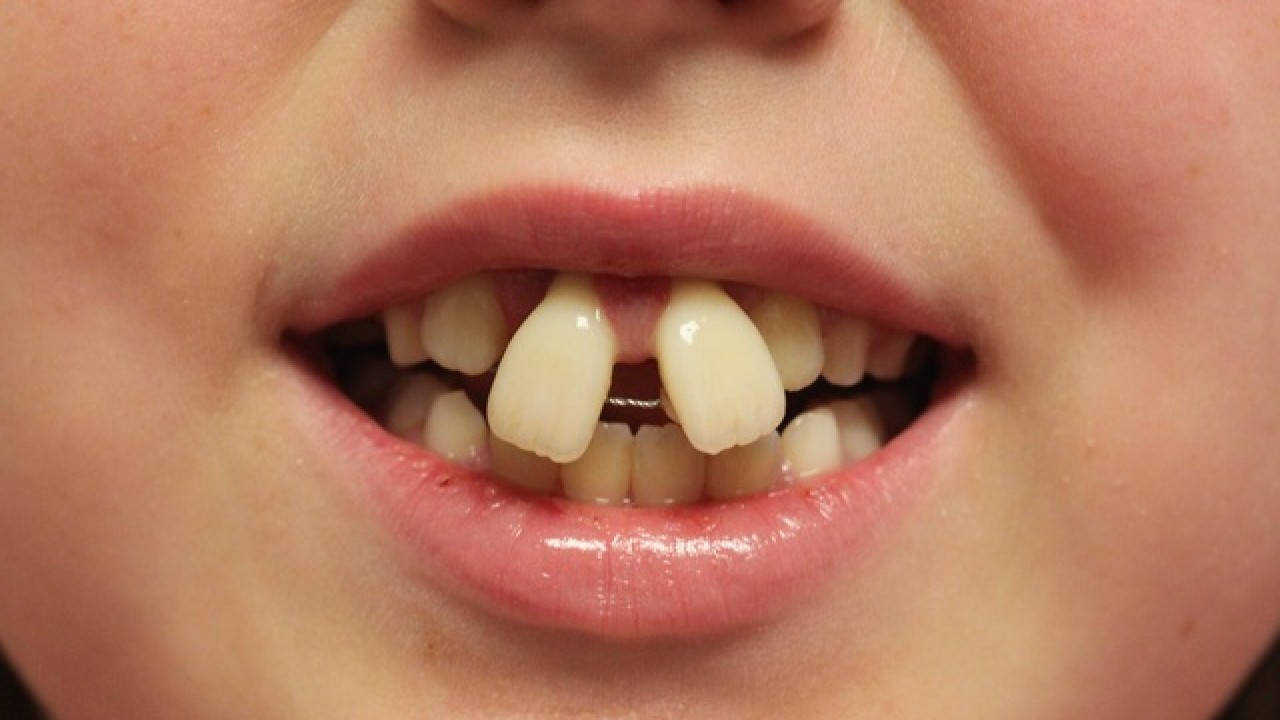
The position of teeth also has an effect on the way we speak and pronounce words. DIY Braces often do not account for movement outside of the desired areas. This movement must be controlled properly to prevent conditions evidenced in the pic below. As a result, your upper and lower jaw may not fit together as they once did, ultimately affecting your phonetic ability.
Relapse
DIY braces offer no guarantees, so even if you try to make your own and successfully manage to move your teeth, the results most likely won’t last. Professional braces are designed to move teeth in slight increments over a period of time. There’s a reason for this: Quick adjustments have a greater chance of shifting back.
Since DIY braces tout quick results in less time, your teeth are more likely to move back to their original positions after discontinued use.
Pay More Than You Saved
Most people turn to DIY methods to save money, but when it comes to important dental procedures, you could end up paying much more to repair the damages. Surgery to address infections, correcting bone loss or extracting non restorable teeth can be traumatizing and expensive. When you consider the costs associated with correcting damages from DIY braces and at-home straightening kits, you’re better off saving the money for professional braces and having the treatment done right by a professional.
Please do not fall victim to these DIY trends and fast braces schemes. Do your research and ensure you are choosing the right professional for your smile and overall health.




An Orthodontist Can Boost Your Self Esteem!
People who are happy with the the way they look are typically more confident and have higher self esteem than those who are not. The way our teeth look and the appearance of our smile can have a pretty significant impact on the way we view ourselves. This is where an Orthodontist comes in. Orthodontics is a specialized branch of dentistry that has a focus on the alignment of teeth.
People who are happy with the the way they look are typically more confident and have higher self esteem than those who are not. The way our teeth look and the appearance of our smile can have a pretty significant impact on the way we view ourselves.
It’s true that individuals with misaligned (crooked) teeth usually are more reserved, shy or self conscious. They in turn cover their mouths when they smile or laugh, smile with their lips closed, or avoid speaking when around strangers or peers.
This is where an Orthodontist comes in. Orthodontics is a specialized branch of dentistry that has a focus on the alignment of teeth. Orthodontists diagnose, prevent, intercept, and treat dental and facial irregularities. According to the American Association of Orthodontists (AAO), the goal of orthodontic treatment is a beautiful smile and a good bite—meaning straight teeth that mesh well with the teeth in the opposite jaw and look great.
Having healthy self-esteem and self-confidence is especially important for children, as it can impact their mental and emotional well-being during their early years of development and can shape the person they grow up to be. In today’s competitive world, you want to empower your child with everything you can to feel confident about themselves.
But, braces is not just for kids. Nowadays, adults are getting braces to get the smile they always wanted and deserved. There are several different types of braces to choose from; traditional metal braces, ceramic braces that match the color of your teeth and even clear aligners, like invisalign. More and more adults are getting braces and totally embracing the journey, like Mollie (pictured below) that’s owning her braces journey.
Mollie expresses that “I was a cheerleader but I never smiled big. Group photos and everyone is smiling but then there’s me looking all angry with the soft smile. The school picture photographers always used to tell me to smile with my teeth but I always refused.” Now she is on her way to a straighter, more beautiful smile and embracing every step of it.

Mollie with the soft smile, before she was comfortable to smile showing teeth.

A more confident Mollie, with braces showing off her beautiful smile.

Smile/non-smile :)

The changes that occurred in only 3 months of having braces on. Bottom: month 1; Top: Month 3

Her smile is getting straighter and more beautiful.
Follow along with Mollie’s braces journey by visiting her instagram page (molliewearsbraces).
In my practice, I have seen how life altering getting a straighter, more beautiful smile can be. Orthodontists can help boost one’s self-esteem by:
Improving one’s appearance - Straighter teeth means a much more beautiful smile, which in turn means a more attractive appearance.
Improving Health - straighter teeth are easier to clean than misaligned (crooked) ones, which means healthier gums, fewer cavities and fewer staining.
Correcting Speech Impediments - While not all speech patterns can be corrected without the help of a Speech & Language Pathologist, the straightening of teeth can help to improve some speech patterns.
If you’ve been thinking about a more desirable smile or have been considering Orthodontic treatment, visit the AAO website here to find an Orthodontist in your area.
Disclaimer: I am not Mollie’s Orthodontist

Professional Teeth Whitening At Home
White teeth are always in style! Everyone wants a sparkly white smile and if you read my previous post you will know that there are many culprits out there that may diminish the whiteness of your teeth over time. Some of those culprits include coffee, tea, red wine, sodas, curry, turmeric, cigarette smoke to name just a few.
White teeth are always in style! Everyone wants a sparkly white smile and if you read my previous post you will know that there are many culprits out there that may diminish the whiteness of your teeth over time. Some of those culprits include coffee, tea, red wine, sodas, curry, turmeric, cigarette smoke to name just a few.
To combat these I mentioned different things to do and different products that will help to achieve a pearly white smile. Now, I am an Orthodontist and deal with teeth all day long and besides the most common question of “when am I getting my braces off?,” the second most common question I get is “How can I get my teeth whiter?” This is why I was very excited when Smile Brilliant asked me to review their at-home whitening system. I am always open to trying new products, especially if it means helping my patients.
My beautiful sister happily volunteered to be my test subject, since she’s always trying to get a whiter smile.
The Process:

Smile Brilliant sent me their teeth whitening kit which included impression material, an impression tray, whitening gel and desensitizing gel. My sister took her impressions and sent them back to smile brilliant in the pre-paid package provided. From there her trays were fabricated and sent back to her. Within a few days she received her custom fitted whitening trays and her whitening journey began.
She wore her trays to bed at night for about 2-21/2 weeks to achieve the results below!
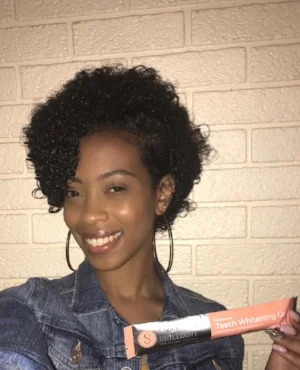
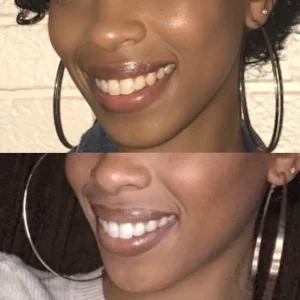
After a few short weeks of (conveniently) wearing trays to bed, a desirable result was achieved. My sister is very happy with the results and says based on the ease of the overall process and the results she would definitely recommend it to a friend.
Giveaway!!
If you’re thinking about starting your own whitening journey, you’re in luck! Smile Brilliant will be giving one of MY readers $149 in credit to use on their site. To enter, visit Smile Brilliant through this link and provide your name and email address. This is open to anyone is the US, UK, Canada, and Australia! The winner will be chosen randomly and contacted by Smile Brilliant directly.
If you’re feeling impatient and want to get started with your smile transformation ASAP, you can save 15% on your Smile Brilliant order now with code theunorthodoc at checkout.
Happy Whitening!

White Teeth Are Always In Style
We all want sparkly white teeth! Your smile is often times the first thing someone notices when they look at you so it makes sense to want to keep your teeth in tip top shape. However, there are some culprits that may prevent us from having and maintaining our pearly whites.
We all want sparkly white teeth! Your smile is often times the first thing someone notices when they look at you so it makes sense to want to keep your teeth in tip top shape. However, there are some culprits that may prevent us from having and maintaining our pearly whites.

The Main Culprits to a White Smile:
These are some of the biggest contributors to our smiles fading over time.
Coffee
Tea
Red Wine
Soda
Smoking
I am a BIG tea lover. I have a cup several times per day so it goes without saying that my teeth gets stained pretty quickly. Here are some products (some of which I use) that helps in keeping your teeth perfectly white:
Whitening ToothPaste - These toothpastes contain 1-1.5% carbide peroxide (a whitening agent) that is capable of removing surface stains. Some of my favorite whitening toothpastes are Crest 3D White, Crest 3D White Brilliance, Sensodyne true White (for the with sensitive teeth).
Whitening Strips and Gels - Whitening strips and gels contain a concentration of carbamine peroxide roughly six times stronger than toothpastes (6-10%). This amount of solution is enough to start penetrating your dental pores and lifting deeper stains. Although stronger than whitening toothpastes, strips and gels need to be applied carefully and evenly. Some of these strips and gels (and there are many) include Crest White Strips, Smile Brilliant, Bright White to name a few.
Professional Teeth Whitening - Custom whitening trays can be done by your dentist. These whitening systems usually contain an even stronger solution of carbamide peroxide (10-15%). You get the trays to take home and use as directed. However, the most efficient, fast, and safest way to whiten you teeth is at a dentist’s office. With in-office treatment, the dentist uses a solution that usually contains ~35% carbide peroxide to get you instantly white teeth.
Tips for Maintaining Your Pearly Whites:
Now that you have obtained your pearly whites, you will want them to remain this way. A few things you can do to minimize staining are:
Instead of coffee, tea, red wine and other beverages that stain your teeth, try drinking more water or other clear drinks as alternatives.
If you are like me and must have tea (or coffee) try drinking from a straw. This will reduce the surface area that the beverage covers and thus reduce staining.
Brush daily (at least 2x) with a whitening toothpaste, and floss!
See your dentist regularly.
Artificial Intelligence (AI) has rapidly gained prominence across various industries, and the field of dentistry is no exception. By harnessing the power of AI, dentistry has experienced a transformative shift in diagnostics, treatment planning, and patient care. In this blog post, we will explore the innovative applications of AI in dentistry, showcasing its broad impact on oral healthcare.