

Steps To Improve Diversity & Inclusion in The Workplace
Diversity & Inclusion has been a hot topic lately. While many companies are slowly adapting and adopting this idea, there are others that are confused as to what exactly this means. The common misconception is that this idea came about as a way to fill some kind of quota - nothing could be further from the truth. This article aims to outline exactly what Diversity & Inclusion means, the effects it has on your business and the steps you and your company can take to get on board and become a more diverse and inclusive workplace.
Companies that embrace diversity and inclusion in all aspects of their business statistically outperform their peers.
– Josh Bersin
Diversity & Inclusion has been a hot topic lately, and the fact that October is Global Diversity Awareness Month I thought it would be fitting to be having the conversation at this time.
While many companies are slowly adopting the idea of diversity and creating awareness, there are others that are confused as to what it truly means. The common misconception is that this idea came about as a way to fill some kind of quota but nothing could be further from the truth. This article aims to outline exactly what Diversity & Inclusion means, the effects it has on your business and the steps you and your company can take to get on board and become a more diverse and inclusive workplace.
Diversity
Diversity is defined as the many ways individuals are different and similar to one another. Thus, workplace diversity is understanding, accepting, and valuing differences between people including those of different races, ethnicities, genders, ages, religions, disabilities, and sexual orientations. It is including people with differences in education, personalities, skill sets, experiences, and knowledge bases.
Inclusion
Inclusion is the behaviors based on knowledge, awareness, and sensitivity that permit people to engage one another respectfully and value contributions. It is fostering a collaborative, supportive, and respectful environment that increases the participation and contribution of all employees.
Diversity & Inclusion
Diversity and inclusion is a company’s mission, strategies, and practices to support a diverse workplace and leverage the effects of diversity to achieve a competitive business advantage.
Some actionable Steps to Improve Diversity & Inclusion:
Your Executive Team Should Portray Diversity & Inclusion
The top management of a company or the make up of the executive team speaks volumes and is a big signifier to the rest of your workforce, as well as customers, partners and stakeholders about the company’s culture. It is essential to have diversity among top management. Men and women should be equally represented and should be from various cultural and religious backgrounds.
According to Boston Consulting Group, among the Fortune 500 companies, only 24 CEOs are women, which represents just 5% of the total number of CEOs. It is also known that among the 500 CEOs, only three are black, another three are openly gay, and one identifies as a lesbian.
Foster A Company Culture Where Every Voice is Welcomed, Heard and Respected
Companies must make sure employees feel included and respected regardless of their age, gender, race, religion, sexual orientation, physical conditions, cultural background or country of origin. Most often employees quit jobs when they feel that their authentic self and uniqueness is not appreciated or valued. As such, it is vital to create an environment where they feel a sense of connectedness to the company and its people.
Communicate Effectively to Differences
This can be challenging if there’s a lack of experience speaking or interacting with people from diverse backgrounds. It’s important to understand how people communicate, verbally and nonverbally. Depending on the culture, it may be appropriate to demonstrate, for example active listening by nodding and smiling, whereas in some cultures smiling would be inappropriate. It is important to do some research so as to be on the same page when communicating specific job tasks and deadlines to accomplish goals.
Be Open-Minded and Flexible
It’s important to be open-minded when meeting someone with a different cultural background. Easterners and Westerners, and many others don’t think alike, nor do they solve problems in a similar way. Avoid frustration and anger, by seeking to understand the basis for the cultural thought process. Strive to engage in productive conversations and facilitate work flow to maximize efficiency and effectiveness. Taking the extra step to communicate with an open heart and you will earn respect from your co-workers. Try to implement these methods to foster an inclusive work environment for everyone in the office.
Eliminate Bias In Promotion Opportunities
According to Harvard Business Review, the hiring process is unfair and full of bias. Much of it is unconscious sexism, racism, and ageism. If left unchecked, it can harm your company. Iris Bohnet, director of the Women and Public Policy Program at the Harvard Kennedy School and author of What Works: Gender Equality by Design explains, “Seeing is believing… If we don’t see male kindergarten teachers or female engineers we don’t naturally associate women and men with those jobs, and we apply different standards” when we hire, promote, and evaluate job performance. “Managers have to learn to de-bias their practices and procedures.
Be observant, kind, and understanding to work colleagues. Be mindful of your thought process, words, assumptions, and avoid stereotypes about anyone. By treating people with respect and kindness, your cultural sensitivity will increase, creating an inviting, inclusive environment in the workplace.
I am currently reading and highly recommend the below books which have been very helpful in understanding Diversity & Inclusion in the workplace:












Turning Your Hobby or Passion Into a Business
I love my profession and honestly cannot think of any other career that I would enjoy as much. My passion lies in creating beautiful smiles and I enjoy and love my patients dearly! However, there are many other things that I love, enjoy and am passionate about.
I love my profession and honestly cannot think of any other career that I would enjoy as much. My passion lies in creating beautiful smiles and I enjoy and love my patients dearly! However, there are other things that I love, enjoy and am passionate about.
I love scented candles! When I was in undergrad and dental school I remember spending quite a bit of money purchasing candles from bath and body works, Marshalls or TJ Maxx, and Yankee Candle Co. As a cash strapped student, money can get really tight and there isn't much room in the budget for such luxuries. That's when I decided to try my hand at making my own candles.
When I started making candles there was a period where I was only comfortable making them for myself. As time went on I became confident enough to give a few to my family who critiqued them and helped me to perfect it. Soon I was using my own candles in my home exclusively and so were some of my friends and family. Every few weeks I was getting requests for more and more candles. This is when I had an "aha moment" and decided to turn this creative hobby into a business. I found something that I not only loved doing but one that was also producing a profit.
If you are looking to turn your hobby or passion into a business, here are a few tips I figured out along the way that will help to get you started :
1. Do What You Love
When you're at work (or school), what are some of the things you wish you were doing instead? What things give you joy and make you happy? What activities do you enjoy? How about photography? Calligraphy? Painting? For me it was blogging and making candles. I've always had a blog. Writing is a hobby and truth be told, it is also therapeutic, so I've always had a corner on the world wide web. I also picked up the hobby of candle-making because of my love for scented candles. I've since turned them both into profitable ventures, writing for several papers, sites and blogs and founding UnOrthoDoc Candle Co. Find something that you enjoy doing and think of how you can monetize it.
2. Do It For Free
When I started making candles, I gave them away to family and friends. If anyone was celebrating a special occasion they knew the gift that I would come bearing. I welcomed feedback and criticism and used it to improve my new found skill-set. Take baby steps in the beginning and perfect your craft before turning it into bucks.
3. Combine Your Passion with Your Other Skills
I am an Orthodontist and thus my passion lies in creating beautiful smiles. But, that's not all I'm passionate about. I love traveling, writing, and candle making also. I like to consider myself a bit unorthodox, hence the name UnOrthoDoc Candle Co. On my site, I was able to combine my love for writing with my love for making candles. Figure out how to create your own success tool kit /secret sauce made up of all the different skills and experiences that only you have. This is what will make you stand out and keep your service unique.
4. Determine Your Ideal Client and Make Connections
Who’s going to pay you for the work you want to do? Who is your ideal client/customer. What’s their lifestyle like? And most importantly, based on who your ideal client is, what value can you bring to them? When that is known, your next step is to identify ways to connect with them. How can you draw attention to your work and provide a product or service worth purchasing? Once your audience is aware of your work and finds value in it, build your portfolio so you can show off your work.
5. Do It For Cheap
Once you've built some value, then you can start to charge a bit for it. When you reach out to paying clients, you’ll be able to present the free work that you did as a sample or a portfolio. Don't charge too much in the beginning until you're 100% happy with the quality of your product.
6. Fine Tuning
Pay attention to the details and fine tune things. Figure out things that you like and don't like, things that are working and things that aren't. I changed the name of my candle company twice before I settled on the current name. I've been through many vendors to source the best products and there are still things that I continue to fine tune today. The devil is in the details.
7. Follow a Pro
Take a look at people who are doing what you would like to be doing. What is their strategy? There’s no need to reinvent the wheel, and learning from those who found success before you doesn’t mean you can’t be original. Copy strategy, but make the rest yours.
8. BONUS: Don't quit your day job (yet)
All of this talk about following your passion could make you feel like you’re ready to put in your two weeks. Don't. You can still keep your day job and have your passion be your side hustle, or vice versa. Take this process slow and have your job fund your new venture (until you start making real money).



Creating a Life You Don't Need a Vacation From
I came across a meme on Instagram that said "Create a Life You Don't Need a Vacation From" and it resonated with me quite deeply. It made me reflect on my own life and ask some really deep questions: Am I living in my purpose? Do I love what I do? If I didn't get paid for my work, would I still enjoy it? Am I living my best life?
I came across a meme on Instagram that said "Create a Life You Don't Need a Vacation From" and it resonated with me quite deeply. It made me reflect on my own life and ask some really deep questions: Am I living in my purpose? Do I love what I do? If I didn't get paid for my work, would I still enjoy it? Am I living my best life?
In general my answer is yes to all of the above. However, there are areas where I could certainly be doing better. It made me think of so many people who constantly wait for the weekend or wait for vacation or holiday until they can finally relax and have some fun. Don't get me wrong, I love a vacation like anyone else. But there is a difference between feeling like you need a vacation and actually just enjoy taking them. I personally try to take a small vacay almost every weekend. It makes me happy!
I don't ever want to be in a position where my adulthood includes days that I'm just trying to get through so that I can get to two weeks of vacation. I don't ever want to be in a position where I am waiting on retirement to enjoy life.
So, what exactly does it mean to create a life you don't need a vacation from? This will be personal to every individual but in general it is striking a balance between :
1. Being challenging enough to keep you stimulated, yet comfortable enough to not feel constantly stressed out.
2. Having a sense of purpose and meaning, to get you excited to wake up in the morning, but having some idle downtime to just be, without having to do.
3. Incorporating things you love to do on a daily basis, but being realistic that there would also be other things that just have to get done.
The key, I've found, is to be intentional in all that you do. You have to wake up each day with a vision backed by intention and fueled with purpose.
Love what you do and you will never work a day in your life - Anon
Some things that I have incorporated that really helped me in this area, and that might help you as well include:
1. Taking Care of Mind, Body and Spirit - Many times when we feel unhappy is because we are not nourishing an aspect of our lives. Eating healthy, exercising and getting sufficient sleep are very important. Strike a balance! Sometimes we need to turn the tv off, get off of social media and spend time with ourselves. There are a lot of things on the internet that are simply distractions from our purpose. Do not get caught up. Cultivate an attitude or gratitude for the life you have built up to this point, enjoy where you are right now.
2. Stop Complaining - I'm not always good at this and continue to make progress in this area. It is simply useless to complain. It makes you miserable and changes nothing. There is so much to be grateful for! I started keeping a gratitude journal and there is a prayer I keep in the notes app on my phone: " God, grant me the serenity to accept the things I cannot change, the courage to change the things I cannot accept, and the wisdom to know the difference." If you're in a situation where you're simply not happy, take steps to remove yourself.
3. Be Intentional - Wake up each day and set your intention: I will be happy today. Today will be fantastic and I will complete all my tasks in a timely manner. No one will steal my joy today. I will work out and eat clean today. I am amazing! I am the best orthodontist and I will create some beautiful smiles today. I am going to rock these 24 hours! etc. You will be amazed at how these simple intentions will alter your mood and set the tone for the rest of your day. Be happy! and take steps to live a life you don't need a break from.

What to Do with a Signing Bonus
You've worked your butt off, passed all your board and licensing exams, graduated and landed your dream job. What could be better than landing your dream job and receiving a signing bonus also? According to a 2016 research publication by the National Association of Colleges and Employers, 52% of employers plan to offer signing bonuses to new graduates.
You've worked your butt off, passed all your board and licensing exams, graduated and landed your dream job. What could be better than landing your dream job and receiving a signing bonus also? According to a 2016 research publication by the National Association of Colleges and Employers, 52% of employers plan to offer signing bonuses to new graduates. You may be among those who will receive such a bonus but have you thought of what to do with this extra money?
Here are a few things you can do wit that "extra money"
1. Put towards immediate expenses
A new job may mean that you have to relocate to a new city. If the job does not cover relocation expenses, consider using a portion of your signing bonus to cover moving costs and apartment rental deposits. Remember to hold n to those receipts as you might be ale to deduct moving expenses fro your taxes.
2. Invest
Put your money to work! The sooner you start investing the longer it has to benefit from the effects of compounding interest. More on investing in a subsequent post.
3. Pay off debt
It's not uncommon to have accrued some debt while in school, particularly credit card debt. Use some of your bonus to pay down this debt. Start with paying the one with highest interest rate first then move to debts with lower interest.
4. Create an Emergency Fund
Surprise expenses happen all the time, no matter how well we try to plan for them. This is why it is important so have a stash in case of an emergency. Keep three to six months living expenses in a separate bank account from the one you use daily. I would also recommend keeping this in a high yield savings account so that you can benefit from the interest.
5. Treat Yourself
While this may have been your first thought, I put this last on the list for a reason. It is very tempting to blow this money on things that you may have wanted for a long time: that designer bag, downpayment on a new car, a shopping spree,a luxury vacation. While there's absolutely nothing wrong with wanting to treat yourself, take care that you don't overindulge. Take yourself (and maybe a friend or two) to a nice dinner to celebrate your new job, go to happy hour, even take yourself shopping. You earned it! but DO NOT blow all your money.
Keep in mind that this is not "free money." You will be paying taxes on it just like everything else. Most companies will explain the terms of your bonus in your contract so make sure you understand the terms. For example, if you quit your job before one year you may have to repay all or a percentage of the bonus. Typically this money isn't completely yours until you've satisfied some conditions or have reached a milestone within the company.
Social Media Blunders that Will Hurt a Young Doc's Career
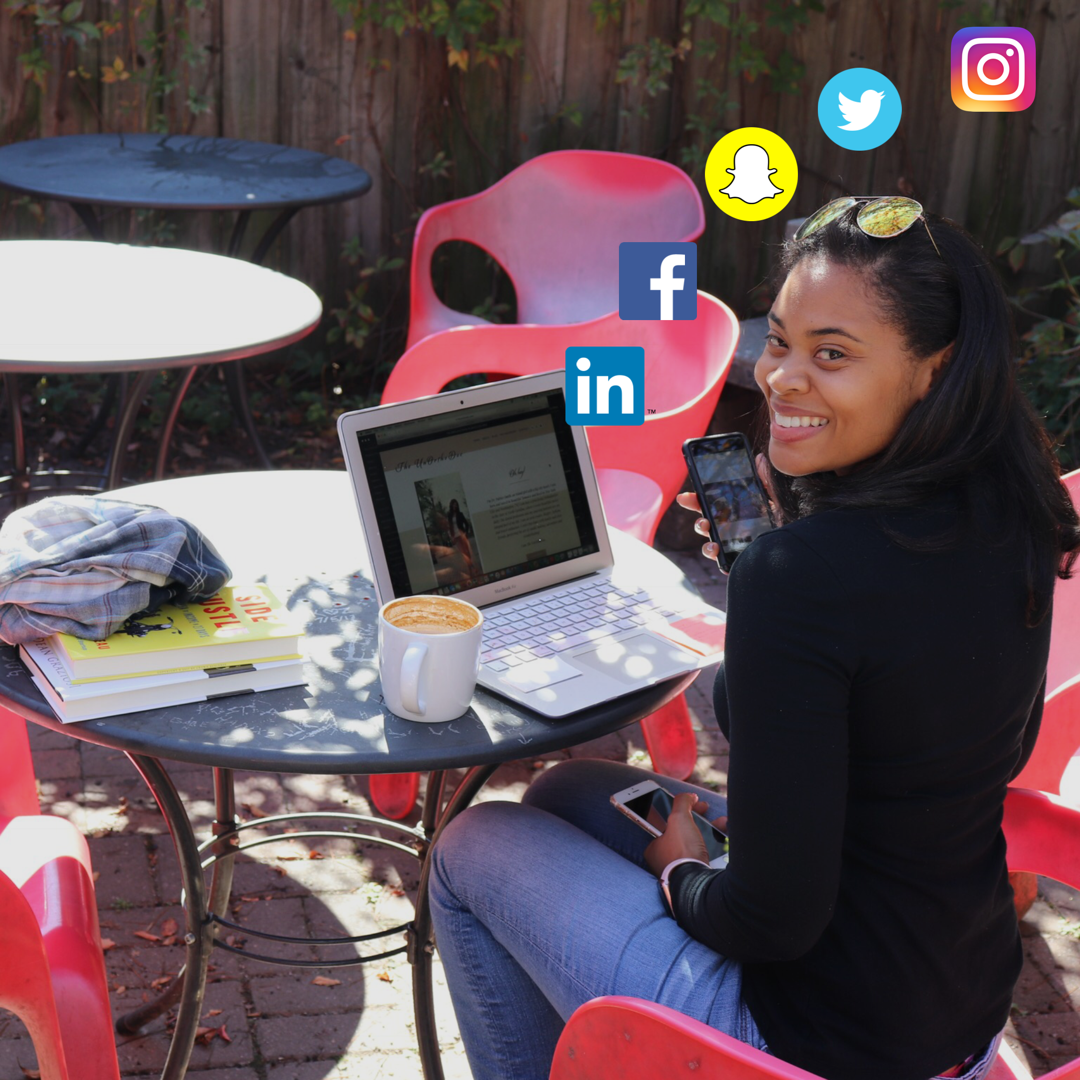
Social media has become part of the every day life for most people. Whether it's Facebook, Instagram, twitter, LinkedIn or snapchat, it's where we communicate with friends, family, our potential patients/clients/customers and so we end up sharing a lot on these platforms. It's also where job recruiters, employers and, yes patients/clients/customers go to find you for whatever their reason. So, when does sharing become too much?
Social media has become part of the every day life for most people. Whether it's Facebook, Instagram, twitter, LinkedIn or snapchat, it's where we communicate with friends, family, our potential patients/clients/customers and so we end up sharing a lot on these platforms. It's also where job recruiters, employers and, yes patients/clients/customers go to find you for whatever their reason. So, when does sharing become too much?
People are always watching and yes, while some may be inspired, motivated some are also judging, so it goes without saying that you must think twice about your content before you place it on the internet. According to a research study 78% of job recruiters check search engines for backgrounds on candidates and about 63% check social media sites.

Here's a short list of NOT To-Do's on Social Media for young professionals:
1. Badmouthing Employer and Coworkers
This is an absolute no-no! Gossiping about your co-workers, employer or company is a major turn off to potential employers and clients. A 2004 career builder survey found that 36% of hiring managers have passed on a candidate for this very reason. The logic is simple, putting down your company in the public sphere reflects poorly on you and shows that you may not be a team player. A simple tweet #myjobsucks #hatethisjob #crazycoworker may do a lot more harm than you can imagine.
2. Spelling and Grammar Mistakes
Employers are looking to hire well educated, well spoken, detail oriented people to join their team. Having spelling or grammatical errors indicate that you are either ignorant, haphazard or not very well educated. According to a jobvite survey, 66% of recruiters have rejected a candidate due to improper use or poor grasp of the English language.
3. Questionable Content
Recruiters look at everything. Be wary of the use of profanity, illegal drug references and sexual posts. Pictures with your friends out for a drink or a dinner date is quite normal and won't hurt but be mindful of pictures you or your friends may post (where you are tagged) in compromising situations. Go through your social media page(s) imagining that you are your boss or recruiter and ask yourself "based on my pictures/posts would I give me an interview?" Also consider googling yourself from time to time to see what pops up.
4. Getting Too Personal
Sharing certain personal information online can sometimes come back to bite you. Think religion, politics, or any hot topic these days, like pregnancy and abortion. Voicing certain religious or political views can come across as biased. For example, a Carnegie mellon study that analyzed how hiring behavior is affected by what employers find online about candidates discovered significant discrimination against Muslim applicants versus Christian applicants. Similarly, a study done by Rice University found that pregnant job candidates receive more interpersonal discrimination from employers. Even though employers cannot legally preclude people for that reason, they can simply give you a s tock reason for not hiring you. So sadly, try to keep that info to yourself until you have secured your position.
5. Being a Bully
Be Kind. Do not make offensive remarks whether about race, religion, political stance or anything for that matter. Don't be a troll. Enough Said.
Source: LearnVest
Sometimes, when everything isn't immediately available, you develop an appreciation for things you might otherwise overlook.
We live in a remarkable time. So much of modern life has been designed around making things easier, faster, and more accessible. We can order almost anything we want and have it delivered to our homes. We can communicate with someone on the other side of the world almost instantly. We can have dinner arrive without leaving the house, summon a car from our phones, automate our bills, stream virtually any form of entertainment we want, and outsource countless tasks that previous generations simply had to do themselves.
There is an enormous amount to appreciate about that. Convenience has made life easier in ways that are genuinely meaningful, and access to technology, healthcare, education, transportation, and information has opened doors that were once unavailable to many people.