

Social Media Marketing for Healthcare Professionals
Social media has become an essential tool for healthcare professionals looking to stay connected, grow their practices/brand, and engage with patients. In this era, it is imperative that healthcare professionals embrace social media marketing to stay relevant, connect with patients, and build their brand. Gone are the days when patients solely relied on word-of-mouth recommendations, directory listings or the nearby practice to choose their healthcare providers. Now, potential clients are likely to check your social media presence before making a decision.
Whether you’re a dentist, physician, physical therapist, or any other healthcare professional, social media marketing offers a valuable platform to educate, engage, and build trust with your audience. In this blog post, we’ll explore how you can harness the power of social media to grow your practice, establish authority, and create a loyal following.
Social media has become an essential tool for healthcare professionals looking to stay connected, grow their practices/brand, and engage with patients. In this era, it is imperative that healthcare professionals embrace social media marketing to stay relevant, connect with patients, and build their brand. Gone are the days when patients solely relied on word-of-mouth recommendations, directory listings or the nearby practice to choose their healthcare providers. Now, potential clients are likely to check your social media presence before making a decision.
Whether you’re a dentist, physician, physical therapist, or any other healthcare professional, social media marketing offers a valuable platform to educate, engage, and build trust with your audience. In this blog post, we’ll explore how you can harness the power of social media to grow your practice, establish authority, and create a loyal following.
Why Social Media Marketing is Essential for Healthcare Professionals
Healthcare is a service-driven industry where trust and reputation play pivotal roles in attracting and retaining patients. Social media gives healthcare professionals the unique opportunity to:
Build Trust and Credibility
Social media allows you to showcase your expertise by sharing educational content, patient testimonials, case studies, and behind-the-scenes looks into your practice. This builds trust and credibility, making potential patients feel more confident in choosing your services.Engage Directly with Your Audience
Social media platforms allow for two-way communication, where patients and potential clients can ask questions, leave reviews, and engage with your content. It humanizes your brand and shows that you’re approachable and ready to listen.Promote Patient Education
A strong social media presence provides a platform to share valuable health tips, procedural information, and medical advancements. By educating your audience, you position yourself as an expert in your field and a go-to resource for health-related questions.Attract New Patients
A well-planned social media strategy can expand your reach beyond your local community. This is particularly beneficial for specialists or telehealth providers who may not be limited by geographic location.Improve Patient Retention and Loyalty
Consistent and meaningful engagement on social media builds relationships. Patients who feel connected to you are more likely to stay loyal and recommend your services to others.
Choosing the Right Social Media Platforms
Before diving into content creation, it’s crucial to choose the right social media platforms for your practice. Each platform has its own strengths and audience, so here’s a quick rundown:
Instagram: A visually-driven platform that’s great for sharing photos, videos, infographics, and stories. Perfect for showcasing before-and-after results (for dentists, dermatologists, etc.), behind-the-scenes glimpses, and educational posts.
Facebook: Ideal for building a community and sharing a mix of content, including articles, videos, live streams, and patient testimonials. It’s also great for paid advertising due to its advanced targeting features.
LinkedIn: The professional network of choice, LinkedIn is where healthcare professionals can network with peers, share industry insights, and establish authority in their field.
X (formerly Twitter): Ideal for sharing quick tips, engaging in healthcare conversations, and staying updated on trends. Short, informative posts work best here.
YouTube: Perfect for creating longer-form video content, like educational videos, procedural explanations, and interviews with healthcare professionals.
TikTok: Known for its short-form, highly engaging videos, TikTok is an excellent platform for healthcare professionals looking to create bite-sized educational content, health tips, and even debunk myths in a fun, approachable way. It’s especially popular with younger audiences, making it a great space for reaching millennials and Gen Z.
Developing a Winning Social Media Strategy
Now that you’ve selected the platforms that work best for your practice, the next step is to develop a strategic approach to your social media marketing. Here’s how to do it:
1. Define Your Goals
Before posting content, you need to identify what you want to achieve with your social media presence. Common goals for healthcare professionals include:
Increasing brand awareness
Educating patients
Attracting new patients
Building relationships with existing patients
Showcasing successful treatments or services
Once your goals are clear, your content can align with achieving them.
2. Know Your Audience
Your audience is key to determining what type of content will resonate with them. Healthcare professionals often serve diverse groups of patients, so it’s essential to consider factors such as age, gender, medical needs, and geographic location when crafting your content.
For example, if you’re a pediatric dentist, your content should appeal to parents and guardians, whereas a specialist like a cardiologist may focus more on adults in their 40s and 50s.
3. Create Engaging, Educational Content
Healthcare professionals are in a unique position to provide value through education. When patients understand their conditions and treatments, they’re more likely to trust you and follow through with recommended care. Here are some content ideas to consider:
Educational Posts: Share health tips, preventive care advice, or explanations of treatments and procedures.
Patient Testimonials: Ask satisfied patients to share their experience (with consent). Video testimonials are especially powerful.
Before-and-After Photos: Showcasing results can help build trust and showcase the efficacy of your treatments. Remember to obtain patient consent for these as well.
Live Q&A Sessions: Go live to answer common patient questions or host a discussion on trending health topics.
Day in the Life: Give your followers a behind-the-scenes look at your practice. This could include showing how you prepare for procedures, staff interactions, or a tour of your office.
4. Post Consistently
Consistency is key to building and maintaining an active presence on social media. Aim to post regularly, whether it’s daily, several times a week, or weekly, depending on your schedule. Tools like a scheduling software (I personally use planoly) can help you stay consistent, even on busy days.
5. Engage with Your Audience
It’s not enough to simply post content, you must also interact with your audience. Respond to comments, answer questions, and acknowledge feedback. This shows your patients that you’re listening and value their input.
6. Leverage Paid Advertising
If you want to accelerate growth, consider using paid advertising on platforms like Facebook, Instagram, or LinkedIn. Paid ads allow you to target specific demographics, ensuring your message reaches the people most likely to need your services. You can promote educational videos, special offers, or introduce a new service in your practice.
Tips for Staying Compliant with Healthcare Regulations
One of the biggest challenges healthcare professionals face with social media marketing is ensuring compliance with regulations like HIPAA (Health Insurance Portability and Accountability Act). Here are a few tips:
Patient Privacy Comes First
Never share any identifiable patient information without explicit written consent. Even positive comments from patients require permission before resharing.Use Disclaimers
Make it clear that your social media content is for educational purposes only and is not a substitute for professional medical advice.Monitor Reviews Responsibly
Encourage satisfied patients to leave reviews, but do not directly address or respond to reviews that disclose specific patient information. Always maintain professionalism.
Getting Started with Social Media Marketing for Your Practice and Brand
Social media marketing is a powerful tool that healthcare professionals can use to grow their practices, engage with patients, and build trust within their community. By creating valuable, educational content, engaging with your audience, and staying compliant with healthcare regulations, you can establish a strong online presence that attracts new patients and strengthens relationships with existing ones.
If you’re ready to take your practice to the next level, start by creating a plan that aligns with your goals and audience. And remember, the key to social media success is consistency and genuine engagement. Take the first step and watch how it transforms your brans and practice!






How to Leverage Social Media To Make Extra Income
Social media has become an integral part of our daily lives and has opened up many opportunities to make extra money. Brands have found a low cost way of promoting their goods and services through influencers and microinfluencers (if you have a small following). Guys, the influencer market has rapidly grown and reached $16.4B in 2022, it is lucrative. This growth is attributed to the increasing popularity of short video formats on platforms like TikTok, Facebook, and YouTube, the effect of the global pandemic on consumers, which catalyzed social media consumption, and the optimization of data collection, which marketers used for social media ads.
Social media has become an integral part of our daily lives and has opened up many opportunities to make extra money. Brands have found a low cost way of promoting their goods and services through influencers and microinfluencers (if you have a small following). Guys, the influencer market has rapidly grown and reached $16.4B in 2022, it is lucrative. This growth is attributed to the increasing popularity of short video formats on platforms like TikTok, Facebook, and YouTube, the effect of the global pandemic on consumers, which catalyzed social media consumption, and the optimization of data collection, which marketers used for social media ads. Here are some ways you can use social media to make extra money:

Leverage Social Media:
Influencer marketing: Influencer marketing is one of the most popular ways to make money on social media. If you have a following (large or small) on platforms like Instagram, TikTok, or YouTube, brands may pay you to promote their products or services.
Affiliate marketing: You can use social media to promote affiliate products and earn a commission on any resulting sales. Many companies have affiliate programs, and you can promote their products through your social media channels.
Social media management: Many businesses are looking for help managing their social media channels. If you have experience in social media management, you can use social media to promote your services and find clients
Sponsored posts: Similar to influencer marketing, you can make money through sponsored posts by promoting products or services on your social media channels. You can approach brands directly or use platforms like Grapevine or AspireIQ to connect with brands.
Offering services: If you have a skill or expertise, you can use social media to promote your services and find clients. For example, you can offer social media management services or graphic design services.
Selling products: You can use social media to promote and sell your own products, such as merchandise or digital products. Platforms like Instagram and Facebook offer built-in tools to make it easy to set up a shop and sell products.
Crowdfunding: You can use social media to launch a crowdfunding campaign to fund a project or business idea. Platforms like Kickstarter and GoFundMe allow you to promote your campaign on social media and raise money from your followers.
Social media offers many opportunities to make extra money. Whether you're an influencer, entrepreneur, or freelancer, there are many ways to use social media to your advantage and make money. Just remember to stay authentic and transparent with your followers and only promote products and services that align with your values and interests.
See how I use social media to make over $12K of extra income per month. I spill all the tea and give the details in my community, The Climb. I give you my exact scripting for pitching brands, the template for my media kit and more.
You already read The Climb letters. Now take the next step. This members-only space is for those ready to move beyond inspiration to practice intentional growth in real life.













Benefits of Social Media to Your Dental Practice
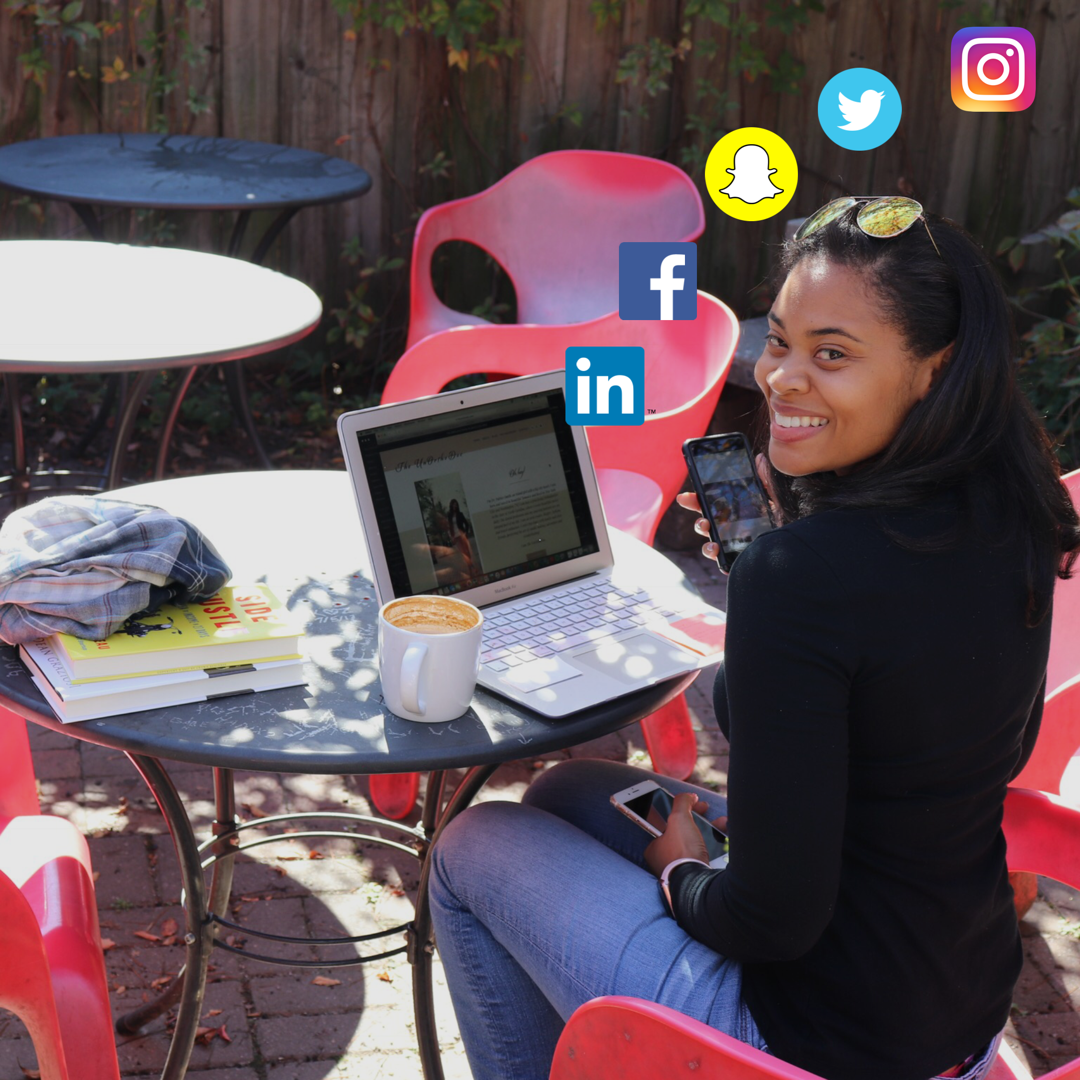
For many years, dentists relied almost exclusively on reputation, word of mouth, expensive advertising and flyer marketing to help build their practices. But, it’s a different time now and more likely than not, our patients/audience are on one or more social media platforms. Whether it’s Facebook, Instagram, Twitter, Snapchat,etc being active on social media will give us the ability to drive traffic, reach new patients and build lasting relationships that will only benefit our practices.
For many years, dentists relied almost exclusively on reputation, word of mouth, expensive advertising and flyer marketing to help build their practices. But, it’s a different time now and more likely than not, our patients/audience are on one or more social media platforms. Whether it’s Facebook, Instagram, Twitter, Snapchat,etc being active on social media will give us the ability to drive traffic, reach new patients and build lasting relationships that will only benefit our practices.
Some great benefits of Social Media to our practices are:
Increased Visibility
Social media allows for greater visibility, provides us the chance to reach a wide audience and create relationships with current and potential patients. Because of this increased visibility we are now able to spread information about our practices far and wide.
Reach & Interact with Potential Patients
One of the most important things about social media is that we are able to reach and connect with our audience. It’s a great place for them to see customer testimonials, experiences, friendly office images and the results of our work. Responding to questions through social media helps as well - our patients will like the fact that their doctor is accessible.
Strengthen Patient Relationship
Before now, patients needed to call the office and speak to the receptionist to schedule an appointment, ask questions or discuss a concern. Now that there’s social media, our patients have better access to us and our offices. They can send messages and get a quick response, and If our social media pages are less clinical, it will be easier for our audience to see us as relatable. The viral nature of social media also means it’s easy to spread information about you and your practice far and wide. By writing articles, posting videos and sharing information that demonstrates our expertise, we can begin to show our patients what we and our practice(s) are about. It is also a great tool to elicit responses by creating content that gets people to click, comment or share.
In my practice, we recently started to utilize Facebook, Instagram and we are working on snapchat filters (kids love this!). The results so far have been great! Our patients learn more about our practice, staff and doctor(s), and they are leaving us really great feedback which is helping to drive traffic to our website and ultimately our practice. If you’re not already, you should definitely consider utilizing social media in your practice - if done correctly will benefit your practice in the long run.
Related Post: Social Media Blunders that Will Hurt a Young Doc’s Career
Social Media Blunders that Will Hurt a Young Doc's Career
Social media has become part of the every day life for most people. Whether it's Facebook, Instagram, twitter, LinkedIn or snapchat, it's where we communicate with friends, family, our potential patients/clients/customers and so we end up sharing a lot on these platforms. It's also where job recruiters, employers and, yes patients/clients/customers go to find you for whatever their reason. So, when does sharing become too much?
Social media has become part of the every day life for most people. Whether it's Facebook, Instagram, twitter, LinkedIn or snapchat, it's where we communicate with friends, family, our potential patients/clients/customers and so we end up sharing a lot on these platforms. It's also where job recruiters, employers and, yes patients/clients/customers go to find you for whatever their reason. So, when does sharing become too much?
People are always watching and yes, while some may be inspired, motivated some are also judging, so it goes without saying that you must think twice about your content before you place it on the internet. According to a research study 78% of job recruiters check search engines for backgrounds on candidates and about 63% check social media sites.

Here's a short list of NOT To-Do's on Social Media for young professionals:
1. Badmouthing Employer and Coworkers
This is an absolute no-no! Gossiping about your co-workers, employer or company is a major turn off to potential employers and clients. A 2004 career builder survey found that 36% of hiring managers have passed on a candidate for this very reason. The logic is simple, putting down your company in the public sphere reflects poorly on you and shows that you may not be a team player. A simple tweet #myjobsucks #hatethisjob #crazycoworker may do a lot more harm than you can imagine.
2. Spelling and Grammar Mistakes
Employers are looking to hire well educated, well spoken, detail oriented people to join their team. Having spelling or grammatical errors indicate that you are either ignorant, haphazard or not very well educated. According to a jobvite survey, 66% of recruiters have rejected a candidate due to improper use or poor grasp of the English language.
3. Questionable Content
Recruiters look at everything. Be wary of the use of profanity, illegal drug references and sexual posts. Pictures with your friends out for a drink or a dinner date is quite normal and won't hurt but be mindful of pictures you or your friends may post (where you are tagged) in compromising situations. Go through your social media page(s) imagining that you are your boss or recruiter and ask yourself "based on my pictures/posts would I give me an interview?" Also consider googling yourself from time to time to see what pops up.
4. Getting Too Personal
Sharing certain personal information online can sometimes come back to bite you. Think religion, politics, or any hot topic these days, like pregnancy and abortion. Voicing certain religious or political views can come across as biased. For example, a Carnegie mellon study that analyzed how hiring behavior is affected by what employers find online about candidates discovered significant discrimination against Muslim applicants versus Christian applicants. Similarly, a study done by Rice University found that pregnant job candidates receive more interpersonal discrimination from employers. Even though employers cannot legally preclude people for that reason, they can simply give you a s tock reason for not hiring you. So sadly, try to keep that info to yourself until you have secured your position.
5. Being a Bully
Be Kind. Do not make offensive remarks whether about race, religion, political stance or anything for that matter. Don't be a troll. Enough Said.
Source: LearnVest
Social media has become an essential tool for healthcare professionals looking to stay connected, grow their practices/brand, and engage with patients. In this era, it is imperative that healthcare professionals embrace social media marketing to stay relevant, connect with patients, and build their brand. Gone are the days when patients solely relied on word-of-mouth recommendations, directory listings or the nearby practice to choose their healthcare providers. Now, potential clients are likely to check your social media presence before making a decision.
Whether you’re a dentist, physician, physical therapist, or any other healthcare professional, social media marketing offers a valuable platform to educate, engage, and build trust with your audience. In this blog post, we’ll explore how you can harness the power of social media to grow your practice, establish authority, and create a loyal following.