

Braxton’s Next Big Step: Starting Pre-K 4
Last year, I shared a milestone that was both exciting and emotional for our family: my son Braxton starting Pre-K for the very first time. If you missed that story, you can read it here.
This year, we’ve hit another milestone, Braxton has officially started Pre-K 4. And let me tell you, what a difference a year makes! The growth, changes, and even the challenges we’ve seen over the past year have been eye-opening.
Growth We’ve Seen
In just one year, Braxton has blossomed in ways we couldn’t have imagined.
Advanced vocabulary: His teachers continue to remark on how well he communicates. We’ve always been intentional about speaking to him in full sentences and encouraging conversation, and it shows. He comes home using new words and phrases daily, and sometimes even surprises us with how articulate he’s become.
Confidence in the classroom: Last year, he was the “new kid” navigating school for the first time. This year, he’s stepped into the role of class leader. He’s more comfortable, more vocal, and even helps his younger classmates when he can.
Love of learning: From storytelling to counting games, Braxton has fully embraced the joy of learning. It’s such a gift to watch his curiosity unfold in real time.
Last year, I shared a milestone that was both exciting and emotional for our family: my son Braxton starting Pre-K for the very first time. If you missed that story, you can read it here.
This year, we’ve hit another milestone, Braxton has officially started Pre-K 4. And wow, what a difference a year makes! The growth, changes, and even the challenges we’ve seen over the past year have been eye-opening.
The Growth We’ve Seen
In just one year, Braxton has blossomed in ways we couldn’t have imagined.
Advanced vocabulary: His teachers continue to remark on how well he communicates. We’ve always been intentional about speaking to him in full sentences and encouraging conversation, and it shows. He comes home using new words and phrases daily, and sometimes even surprises us with how articulate he’s become.
Confidence in the classroom: Last year, he was the “new kid” navigating school for the first time. This year, he’s stepped into the role of class leader. He’s more comfortable, more vocal, and even helps his younger classmates when he can.
Love of learning: From storytelling to counting games, Braxton has fully embraced the joy of learning. It’s such a gift to watch his curiosity unfold in real time.
The Nuances of School Life
But with the positives come the realities that every parent experiences when their child spends more time in a school environment.
Picking up habits from peers: While he’s learned a lot of great things from his classmates, there are also moments where he brings home less-than-ideal habits. Whether it’s a new phrase we don’t love or testing boundaries because “other kids do it,” it’s part of the social learning curve.
Behavioral changes: We’ve noticed that with the excitement (and sometimes overstimulation) of school, Braxton comes home more tired, sometimes cranky, and occasionally tests limits more than before. It’s a reminder that school is a big adjustment, even when it’s not his first year.
Balancing structure and freedom: Over the summer, we had a more relaxed routine with plenty of free play. Transitioning back into the structured rhythm of school took a little effort, not just for him, but for all of us as a family.
Transitioning Into Pre-K 4
Starting Pre-K 4 feels different from last year. It’s less about if he can handle school and more about how he’s growing through it. The transition back after summer break was bumpy at times, after months of looser routines, getting up early, following a schedule, and doing “schoolwork” again required patience. But now that he’s settled in, we’re seeing how much he thrives in an environment that challenges him academically and socially.
Reflections as a Parent
This journey has reminded me of something important: parenting through transitions is not just about helping your child adapt, it’s about adjusting ourselves too. The structure of the school year affects the entire household, from how we plan our mornings to how we manage our own work-life balance.
That’s why I created resources like my Time Management E-book and Balancing Act Blueprint for Busy Professionals because whether you’re a working parent or juggling multiple roles, having systems in place makes these seasons of change less overwhelming.



Watching Braxton step into Pre-K 4 has been a mix of pride, joy, and, at times, challenges. He’s not the same little boy who walked into school for the first time last year. He’s more independent, more confident, and yes, a little sassier too.
And that’s the beauty of it. School is shaping him in ways that go beyond academics. It’s helping him grow into who he is and giving us, as parents, a front-row seat to the process.
If your child is starting school this year or moving into a new grade, know that the transition is always layered with highs, lows, and everything in between. Embrace it all, and give yourself (and your child) grace in the process.
Back-to-School Transition Checklist
Helping your child (and yourself) ease into a new school year
✅ Re-establish routines
Set a consistent bedtime/wake-up time at least 1–2 weeks before school starts.
Lay out clothes and pack lunches/snacks the night before to reduce morning stress.
✅ Prepare the environment
Create a designated spot for backpacks, shoes, and school supplies.
Stock up on healthy, easy-to-grab snacks for after school.
✅ Communicate expectations
Talk through the new school routine with your child — what mornings will look like, what happens after school, etc.
Practice transitions like “getting ready to leave the house” to set clear expectations.
✅ Emotional check-ins
Encourage your child to share feelings about school (excitement, nervousness, etc.).
Use bedtime as a moment to connect and reflect on the day.
✅ Balance structure + freedom
Leave space for downtime/play after school — kids need time to decompress.
Resist overscheduling — give your child room to adjust before adding too many activities.
✅ Parent support
Give yourself grace — transitions are just as demanding on parents.
Revisit your own systems for time management (this is where your Balancing Act Blueprint and Time Management E-book can naturally plug in).
Lean on community whether it’s friends, family, or like-minded professionals navigating the same stage.





Smart Ways to Use Your Sign-On Bonus as a Doctor: A Strategic Guide to Build Wealth, Stability, and Peace of Mind
Every year when schools and residency programs graduate a cohort of doctors, without fail I get some questions - one of which is, “what do I do with my sign on bonus?”
Here’s how doctors, dentists, and healthcare professionals can wisely use their sign-on bonus to set a strong financial foundation and avoid common pitfalls.
When doctors, dentists, and healthcare professionals begin new positions (especially in hospitals, corporate dental chains, or large medical organizations) it’s common to receive a sign-on bonus. These bonuses are enticing, often ranging from a few thousand dollars to well into five figures.
But, what you do with your sign-on bonus can either set you up for long-term success or trap you in a cycle of financial instability and lifestyle inflation.
So let’s talk strategy. Before the bonus hits your account (or burns a hole in your pocket), here’s how to be intentional about using it.
Every year when schools and residency programs graduate a cohort of doctors, without fail I get some questions - one of which is, “what do I do with my sign on bonus?”
Here’s how doctors, dentists, and healthcare professionals can wisely use their sign-on bonus to set a strong financial foundation and avoid common pitfalls.
When doctors, dentists, and healthcare professionals begin new positions (especially in hospitals, corporate dental chains, or large medical organizations) it’s common to receive a sign-on bonus. These bonuses are enticing, often ranging from a few thousand dollars to well into five figures.
But, what you do with your sign-on bonus can either set you up for long-term success or trap you in a cycle of financial instability and lifestyle inflation.
So let’s talk strategy. Before the bonus hits your account (or burns a hole in your pocket), here’s how to be intentional about using it.
1. Understand the Tax Implications First
Before you even start allocating, it’s important to understand that your sign-on bonus is taxed as income. This means the number you’re quoted is not the number you’ll actually receive.
Quick tip:
Set aside 25–35% for taxes, especially if the bonus bumps you into a higher tax bracket. If your employer doesn’t withhold enough, you could face an unpleasant surprise come tax season.
2. Pay Down High-Interest Debt
If you have any high-interest credit card debt, personal loans, or lingering consumer debt, this should be your first target.
Why?
Eliminating 18–25% interest rates is the equivalent of getting that same return on your investment—risk-free.
Student loans?
If they’re federal with low interest and currently on income-driven repayment, they may not be your top priority, but you can still consider making a lump sum payment if your bonus is substantial.
3. Start or Build an Emergency Fund
One of the biggest stress relievers in any career—especially healthcare—is knowing that you’re covered if something unexpected happens.
Aim for:
3–6 months of expenses in a high-yield savings account.
Why it matters:
Emergency funds protect you from unexpected job changes, illness, relocation costs, or surprise expenses without going into debt.
4. Max Out or Jumpstart Retirement Accounts
Use your bonus to contribute to your:
Roth IRA (if eligible)
Traditional IRA
401(k) or 403(b) (if your plan allows after-tax contributions or catch-ups)
Even if your employer already contributes to a retirement plan, your own contributions are what move the needle on long-term wealth.
5. Invest in Yourself and Your Career
Are there certifications, coaching, courses, or licenses that will help you command a higher salary or grow in your specialty?
Examples include:
Board certification prep courses
Dental CE (continuing education)
Medical or business coaching
Public speaking or leadership programs
MBA or MHA programs if you’re pursuing admin or ownership paths
This is the kind of investment that has a long-term return—especially if you’re planning for ownership, private practice, or leadership.
6. Use It as Seed Money for a Side Hustle or Business
If you’ve been considering building a personal brand, starting a blog or podcast, launching a product, or even opening a practice or wellness brand—your sign-on bonus can be your startup capital.
Examples include:
Paying for a website or brand designer
Purchasing inventory for a small product line
Hiring a business coach
Registering your LLC or trademark
This is especially powerful for healthcare professionals seeking multiple income streams or exit strategies.
7. Put a Portion Toward a Big Goal
Once the essentials are covered, you can give yourself permission to enjoy a portion of your bonus guilt-free.
Ideas:
Save for a home down payment
Fund fertility treatments
Plan a bucket list vacation
Help family or give to charity
Start a 529 plan for your child
Even allocating 10–20% for something meaningful can make your bonus feel impactful and intentional.
8. Avoid the Trap of Lifestyle Inflation
It’s tempting to immediately upgrade your car, move into a luxury apartment, or finance expensive gadgets. But that’s how many doctors and dentists end up living paycheck to paycheck—despite a high income.
Instead, let your bonus be the buffer between you and stress. The goal isn’t just to enjoy today, but to create peace of mind for years to come.
9. Bonus Tip: Read the Fine Print
Some bonuses come with strings attached. For example, if you leave before a certain time (often 12–36 months), you may need to pay part or all of it back.
Be sure you understand:
The vesting period
Whether it’s a loan disguised as a bonus
What happens if you’re terminated or resign early
This is important especially if you're considering switching to private practice or entrepreneurship soon.
A sign-on bonus is a gift, but also a responsibility. With intentionality, it can help you:
Build a financial foundation
Relieve pressure
Start investing
Create multiple income streams
Buy back time and peace of mind
You worked hard for your degree, your license, and your position. Now it’s time to make your money work hard for you.
Recommended Reading:
1. "The White Coat Investor: A Doctor’s Guide to Personal Finance and Investing" by Dr. Jim Dahle
This book is a foundational read for any physician looking to gain control over their finances, especially early in their career. It covers student loans, budgeting, insurance, and investing.
2. "The Physician Philosopher’s Guide to Personal Finance" by Dr. James D. Turner
Another great resource that dives deep into wealth-building strategies for new attendings, residents, and fellows.
3. The White Coat Investor Blog & Podcast
Their site is full of in-depth blog posts and free tools that break down topics like what to do with windfalls, bonuses, and how to manage debt efficiently.
4. Physician on FIRE Blog
A financial independence blog created by an anesthesiologist, offering advice on smart spending, investing, and early retirement planning.
6. Bogleheads Wiki: Windfall Management
A concise, objective breakdown of what to do when you receive a large sum of money — including bonuses.





What If Work Wasn’t the Center of Your Life?
A few years ago, I wouldn’t have even asked this question. Work was the center of my life, without hesitation or apology. Every calendar decision, every to-do list, every ounce of energy was filtered through the question:
“How does this help me grow my business(es)?”
That made sense at the time. I had a private practice to run. A brand to build. A reputation to maintain. Employees to support. And to be honest, there’s a sense of pride and identity that comes with all of that.
But somewhere along the way, life changed.
Motherhood Reorders Everything
When I became a mom, things started to shift. It didn’t happen overnight, not in a dramatic “aha” moment, but slowly. Subtly. Then all at once.
First, it was one child. Then came twins. Suddenly I wasn’t just a business owner trying to juggle a packed schedule or manage a team . I was someone’s safe place. Someone’s source of comfort at 2 a.m. and 5 a.m. and 6:15 a.m. I was a mother managing take-ups, toddler meltdowns, preschool prep, and the soft, sacred work of just being there.
A few years ago, I wouldn’t have even asked this question. Work was the center of my life, without hesitation or apology. Every calendar decision, every to-do list, every ounce of energy was filtered through the question:
“How does this help me grow my career or business(es)?”
That made sense at the time. I had a career to build and private practice to run. A brand to build. A reputation to maintain. Employees to support. And to be honest, there’s a sense of pride and identity that comes with all of that.
But somewhere along the way, life changed.
Motherhood Reorders Everything
When I became a mom, things started to shift. It didn’t happen overnight, not in a dramatic “aha” moment, but slowly. Subtly. Then all at once.
First, it was one child. Then came twins. Suddenly I wasn’t just a business owner trying to juggle a packed schedule or manage a team . I was someone’s safe place. Someone’s source of comfort at 2 a.m. and 5 a.m. and 6:15 a.m. I was a mother managing wake-ups, toddler meltdowns, preschool prep, and the soft, sacred work of just being there. Babies don’t care about business hours or launch dates. They don’t care what your to-do list says. They care about presence. They have a way of commanding your attention in the most honest, non-negotiable way. They refocus your energy. You see what truly matters. And before you know it, that meeting or email or "urgent" call doesn’t feel so urgent anymore.
It forced me to stop and ask:
What am I doing all of this for, really?
Because if I build an empire but miss out on the softness of these early years… was it worth it?
Burnout Isn’t Always About Failure
Somewhere along the way, I realized I was burnt out. Not because I was failing, but because I had succeeded at something that no longer aligned with the life I was building.
And I’m not alone. I live and work in Washington, D.C., patients and colleagues alike are sharing stories of job loss, federal program shutdowns, families moving back in together to survive rising costs. We’re all being stretched thin emotionally, financially, and maybe even spiritually.
This is a season that’s demanding realignment. A season that invites us to slow down and ask better questions.
One book that helped me find language for this feeling is The Mountain Is You by Brianna Wiest. It explores how we often sabotage ourselves through overwork and misplaced values and how healing comes from climbing your personal mountain with compassion, not hustle.
The Case for Slow Work
I’ve been deeply inspired by what Myleik Teele and Matt Gottesman recently shared in their respective writings about slow work. Myleik says she’s not interested in rushing anything anymore. She calls herself a “crockpot,” and I love that. Because the things that really matter: clarity, confidence, deep connection - don’t come fast. They come with simmering. They come with sitting in discomfort. They come with letting go of urgency and trusting that what’s meant for you won’t miss you.
Matt echoed this idea in a different way. He talked about how speed has become the default metric for value in our society. We want instant responses, instant success, instant meaning.
But what’s real takes time. What lasts takes intention.
Fast work creates noise.
Slow work builds substance.
Soul. Sustainability. Presence.
This message echoes the heart of another book I recommended to my community:
The Ruthless Elimination of Hurry by John Mark Comer.
This book argues that hustle culture is costing us our spiritual, emotional, and relational health and that deep peace only comes when we slow down. It’s not a productivity hack; it’s a lifestyle shift. One I’m still learning to practice.
A Life That Can Hold You
That’s what I’m building now. Not a bigger life.
A life that can hold me.
Hold my children.
Hold my purpose.
Hold my joy and exhaustion at the same time.
Hold my healing.
I don’t want a life that looks good but feels hollow. I want one that breathes, even if that means producing less, posting less, rushing less. Even if that means saying no to opportunities that would’ve once thrilled me.
Even if that means making work one part of my identity, not the whole.
An Invitation to Realign
Maybe you're feeling this too. Maybe success doesn’t look the way it used to. Maybe you’ve achieved things that still left you feeling tired, unclear, or unfulfilled.
I’ll leave you with this:
The world will keep telling you to speed up.
Your body, your spirit, and your family might be telling you to slow down.
Listen.
Let this question breathe.
What would your life look like if it was built for you. Not your job title, not the expectations of others, but you?
It’s not an easy shift. But it’s one I believe in with my whole heart.
And I’m making it, one quiet step at a time.










The Cost of Instant Gratification: A Practitioner’s Perspective on the Current State of Healthcare
In the middle of a regular weekday, I found myself reflecting on something that has become increasingly hard to ignore.
There’s been a shift - not just in orthodontics, but across dentistry and healthcare at large.
Patients today often come in with high expectations. That in itself isn’t new. But what is new is the nature of those expectations: immediate, sometimes clinically unrealistic, and often shaped by what they’ve seen online. More and more, people want results that are fast, flawless, and affordable - even when those desires don't quite align with science or reality.
This isn't a critique of patients. It’s a commentary on the cultural shift we’re all navigating.
We live in a time of instant gratification. Two-day shipping. Before-and-after transformations that skip the journey in between. Filtered content that makes perfection seem routine. And the result is a growing disconnect between what healthcare actually requires and what many now expect it to be.
In the middle of a regular weekday, I found myself reflecting on something that has become increasingly hard to ignore.
There’s been a shift - not just in orthodontics, but across dentistry and healthcare at large.
Patients today often come in with high expectations. That in itself isn’t new. But what is new is the nature of those expectations: immediate, sometimes clinically unrealistic, and often shaped by what they’ve seen online. More and more, people want results that are fast, flawless, and affordable - even when those desires don't quite align with science or reality.
This isn't a critique of patients. It’s a commentary on the cultural shift we’re all navigating.
We live in a time of instant gratification. Two-day shipping. Before-and-after transformations that skip the journey in between. Filtered content that makes perfection seem routine. And the result is a growing disconnect between what healthcare actually requires and what many now expect it to be.
Orthodontics Isn’t Amazon Prime
Orthodontic treatment is a biological process. It involves careful planning, time, and individualized strategy. Teeth don’t move overnight. Bone remodeling can’t be rushed. Every adjustment is a calculated step toward long-term health and function, not just aesthetics.
Yet today, there's a widespread desire for “Amazon Prime” results. Fast, flawless, and inexpensive. When those expectations aren't met no matter how clinically successful a case may be, it can lead to significant frustration on the patient’s end. Unfortunately, that frustration often gets directed toward the provider.
Negative online reviews. Social media complaints. Misleading portrayals of the practice. These things can happen even when we’ve poured our skill, ethics, and care into a case.
Healthcare Results Require More Than Speed
Whether it’s orthodontics, general dentistry, dermatology, or any branch of medicine, meaningful outcomes require:
Time
Clinical expertise
Mutual trust between patient and provider
This is not just a cosmetic service. It's your health. Your face. Your smile. And it cannot be mass-produced or expedited like an online order.
A Broader Shift in the Healthcare Landscape
This shift in patient perception isn't limited to orthodontics. It echoes across the entire healthcare system.
Primary care providers are being pressured into quick fixes. Mental health professionals are expected to undo years of trauma in a few short sessions. Surgeons and aesthetic specialists are asked for red-carpet results with zero downtime.
Healthcare has become part of the instant gratification economy, and that’s a problem.
For providers who entered this field with a heart for helping others, the current climate can be disheartening. We're navigating not just the complexities of treatment, but also the weight of expectations set by algorithms, trends, and marketing - not by medicine.
What Can Be Done?
We need to return to education, communication, and boundaries.
Healthcare providers must continue educating patients about what’s realistic, sustainable, and safe. We must communicate openly about timelines, trade-offs, and outcomes. And we must hold boundaries, even when it’s uncomfortable.
It’s okay to say, “No, that’s not in your best interest,” even when a patient asks for it.
We can lead with empathy while remaining grounded in evidence. We can be supportive without being subservient to unrealistic demands. We can offer excellent care, not just fast service.
If you're a fellow provider feeling the weight of this shift, you’re not alone. This moment is asking a lot of us, not just our clinical skills, but our patience, resilience, and professionalism.
And if you’re a patient trying to navigate the overwhelming sea of healthcare information and expectations, I encourage you to ask questions. Seek understanding. Allow space for the process.
True transformation doesn’t happen in 48 hours. It happens when both patient and provider are committed, informed, and working together.



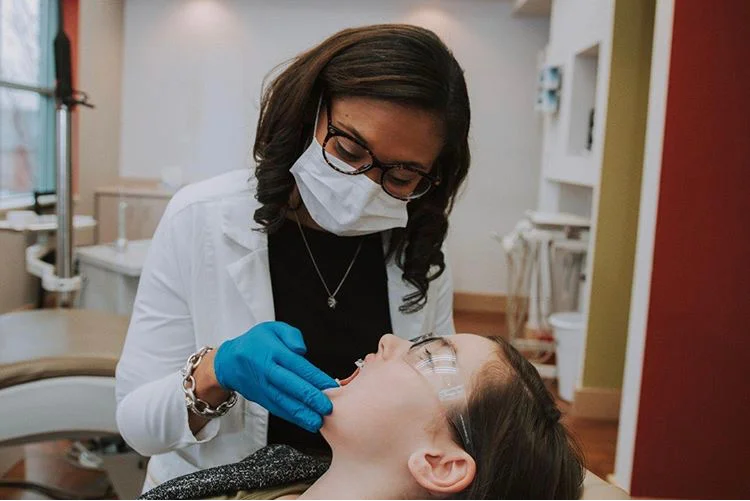






How to Find the Best Dentist in Your City: A Comprehensive Guide
Finding a great dentist is essential for maintaining good oral health, preventing dental issues, and ensuring you receive top-notch care. With so many options available, it can be overwhelming to decide which dentist is right for you. Whether you're new to an area, looking to switch providers, or searching for a specialist, this guide will help you make an informed decision.
Once you’ve found the right dentist, make regular appointments for checkups and cleanings to maintain good oral health.
Choosing the best dentist requires research, recommendations, and personal visits. By following these steps, you’ll find a provider who meets your needs, fits your budget, and helps you maintain a healthy smile for years to come.
Finding a great dentist is essential for maintaining good oral health, preventing dental issues, and ensuring you receive top-notch care. With so many options available, it can be overwhelming to decide which dentist is right for you. Whether you're new to an area, looking to switch providers, or searching for a specialist, this guide will help you make an informed decision.
1. Determine Your Dental Needs
Before you start searching, consider what type of dental care you require:
General Dentistry: Routine checkups, cleanings, fillings, and preventive care.
Cosmetic Dentistry: Teeth whitening, veneers, and smile makeovers.
Orthodontics: Braces, Invisalign, and other alignment treatments.
Periodontics: Gum disease treatment and dental implants.
Pediatric Dentistry: Specialized care for children.
Emergency Dentistry: Treatment for urgent dental problems like toothaches or broken teeth.
2. Research Online
The internet is a valuable tool for finding highly-rated dentists in your city. Here’s how to use it effectively:
Google Search: Type "best dentist near me" or "top-rated dentist in [input your city]."
Review Sites: Check platforms like Yelp, Google Reviews, and Healthgrades for ratings and patient feedback.
Dental Association Websites: The American Dental Association (ADA) or your local dental board can provide verified listings.
Social Media: Many dentists have Instagram or Facebook pages showcasing their work and patient testimonials.
3. Ask for Recommendations
Word-of-mouth referrals are one of the best ways to find a trusted dentist. Ask:
Family members
Friends and coworkers
Your primary care doctor
Pharmacists
Local online community groups (e.g., Nextdoor or Facebook neighborhood groups)
4. Check Credentials and Experience
Not all dentists are created equal. Before making an appointment, verify:
Licensing: Ensure the dentist is licensed in your state by checking your state’s dental board website.
Education and Training: Look for a dentist with reputable educational background and any additional certifications.
Years of Experience: More experience often means better expertise.
Specializations: If you need a specific treatment, confirm that the dentist has specialized training.
5. Evaluate Office Location and Hours
Convenience matters when choosing a dentist. Consider:
Proximity to Your Home or Workplace: A dentist close by will make regular visits easier.
Office Hours: Ensure their schedule aligns with yours (e.g., evening or weekend availability if needed).
Emergency Availability: Some dentists offer after-hours or emergency care.

6. Assess the Office Environment
A well-maintained, modern, and welcoming dental office can improve your experience. When visiting or reviewing online:
Is the office clean and well-organized?
Are staff members friendly and professional?
Do they use up-to-date technology (e.g., digital X-rays, laser dentistry)?
Is there a comfortable waiting area?
7. Review Insurance and Payment Options
Dental care can be expensive, so it’s important to check:
Insurance Acceptance: Confirm whether they accept your dental insurance plan.
Payment Plans: If you don’t have insurance, ask if they offer financing options or payment plans.
Cost Transparency: A good dentist will provide clear pricing and estimates before procedures.
8. Schedule a Consultation
Before committing, schedule a consultation to:
Meet the dentist and staff.
Discuss your dental history and concerns.
Assess their communication style and bedside manner.
Ask about treatment plans and recommendations.
9. Trust Your Instincts
Your comfort level with a dentist is just as important as their qualifications. Ask yourself:
Did the dentist listen to your concerns?
Did they explain procedures clearly?
Do you feel comfortable and not rushed?
Was the staff helpful and courteous?
10. Stay Committed to Regular Dental Visits
Once you’ve found the right dentist, make regular appointments for checkups and cleanings to maintain good oral health.
Choosing the best dentist requires research, recommendations, and personal visits. By following these steps, you’ll find a provider who meets your needs, fits your budget, and helps you maintain a healthy smile for years to come.


Leveraging AI to Generate Income: A Comprehensive Guide
Artificial intelligence (AI) is revolutionizing the way we work, create, and earn money. Whether you’re looking for passive income, side hustles, or a full-time AI-powered business, there are numerous ways to leverage AI to generate income. This guide will explore the best AI-driven income opportunities and provide actionable steps to help you get started.
AI automates tasks, enhances productivity, and reduces the time required to perform various functions. This makes it an excellent tool for those looking to maximize their earnings while minimizing manual labor. With advancements in machine learning, natural language processing, and automation, AI can now perform tasks once thought to be exclusive to humans.
Artificial intelligence (AI) is revolutionizing the way we work, create, and earn money. Whether you’re looking for passive income, side hustles, or a full-time AI-powered business, there are numerous ways to leverage AI to generate income. This guide will explore the best AI-driven income opportunities and provide actionable steps to help you get started.
Why Use AI to Make Money?
AI automates tasks, enhances productivity, and reduces the time required to perform various functions. This makes it an excellent tool for those looking to maximize their earnings while minimizing manual labor. With advancements in machine learning, natural language processing, and automation, AI can now perform tasks once thought to be exclusive to humans.
Best Ways to Make Money Using AI
1. AI-Powered Content Creation
AI-generated content has become increasingly popular for blogs, social media, and businesses looking for high-quality writing.
AI Writing Tools: Use platforms like ChatGPT, Jasper, or Copy.ai to generate blog posts, marketing copy, product descriptions, and more.
Monetization Strategies:
Offer freelance writing services using AI assistance.
Start a blog and use AI to create SEO-friendly content to drive traffic and earn through ads or affiliate marketing.
Write and publish AI-assisted eBooks on Amazon Kindle Direct Publishing (KDP).
2. AI in E-Commerce and Dropshipping
AI can optimize product selection, automate customer service, and enhance marketing strategies in the e-commerce space.
How to Get Started:
Use AI tools like Shopify’s Kit, Sell The Trend, or Printful’s AI integration to identify winning products.
Implement AI-powered chatbots like Tidio or ManyChat to handle customer inquiries automatically.
Utilize AI-driven pricing and ad optimization tools for better targeting and increased sales.

3. AI Stock Market and Crypto Trading
AI-powered algorithms can analyze market trends and execute trades more efficiently than humans.
Best AI Trading Platforms:
Trade Ideas: AI-powered stock scanner for real-time trading insights.
CryptoHopper: An AI-based trading bot for cryptocurrency trading.
Tickeron: Uses AI to generate trading signals and analysis.
Monetization Strategies:
Use AI bots for automated trading strategies.
Sell AI-generated trading insights and strategies via subscriptions.
4. AI-Powered Social Media Management
Social media marketing is essential for businesses and content creators, and AI makes it easier to manage multiple platforms.
Tools to Use:
Canva AI: Generates social media posts and marketing content.
Lately.ai: Turns long-form content into social media posts.
Hootsuite & Buffer: AI-powered scheduling and analytics.
Ways to Make Money:
Start a social media management agency using AI tools to automate content creation and scheduling.
Offer AI-driven ad optimization services for businesses.
Create and sell AI-generated social media templates.
5. AI Chatbots and Virtual Assistants
AI chatbots and virtual assistants can automate customer service and sales, making them valuable tools for businesses.
Monetization Strategies:
Develop and sell chatbot solutions using platforms like ChatGPT API, Botpress, or Drift.
Offer chatbot setup services for small businesses.
Build an AI-powered personal assistant service.
6. AI in Digital Art and Design
AI tools like MidJourney, DALL·E, and Deep Dream Generator allow users to create digital art and sell it online.
Ways to Monetize:
Sell AI-generated art as prints or NFTs on platforms like OpenSea.
Offer AI-powered design services for logos, branding, and social media content.
Create AI-enhanced photo editing services.
7. AI-Powered Online Tutoring and Course Creation
AI can assist in creating educational content, automating grading, and personalizing learning experiences.
Best AI Tools:
ScribeSense: Automates grading and feedback.
Synthesia: Creates AI-powered video lectures.
TutorAI: Generates lesson plans and study materials.
Ways to Make Money:
Create AI-generated online courses and sell them on Udemy, Teachable, or Kajabi.
Offer AI-powered tutoring services.
Develop educational YouTube content with AI-generated scripts.
8. AI Voiceovers and Podcasting
AI-generated voices are becoming more realistic and are now widely used in voiceovers and audiobooks.
Tools to Use:
ElevenLabs: AI-powered text-to-speech.
Descript: AI voice cloning and editing.
Play.ht: AI-generated voiceovers.
Ways to Monetize:
Sell AI-generated voiceovers for YouTube videos, ads, and podcasts.
Create AI-narrated audiobooks and sell them on Audible.
Start an AI-powered podcast with minimal effort.
9. AI Website and App Development
AI can simplify coding, website creation, and app development.
Best AI Tools:
Wix ADI & 10Web: AI-powered website builders.
Codex by OpenAI: AI-assisted coding.
AppGyver: No-code AI-powered app builder.
Monetization Strategies:
Offer AI-driven website creation services.
Develop AI-powered apps and sell them on app stores.
Create AI-assisted automation tools and sell them as SaaS products.
How to Get Started with AI Income Streams
Choose a Niche: Decide which AI income stream aligns with your skills and interests.
Invest in the Right AI Tools: Many AI platforms offer free trials, so test them before committing.
Learn & Experiment: Stay updated on AI advancements and experiment with different tools.
Monetize Your AI Skills: Freelance, sell digital products, offer AI-driven services, or build a business around AI automation.
Scale Up: Automate and outsource tasks to grow your AI-powered income stream.
AI is rapidly changing the landscape of online business and passive income opportunities. Whether you're a freelancer, entrepreneur, or side hustler, there’s never been a better time to harness AI’s power to generate income. Start today and take advantage of AI’s potential to build a profitable, automated, and scalable income stream.
Ready to take your income to the next level? Join The Climb community for exclusive insights, AI business strategies, and step-by-step guides on leveraging AI for financial freedom!




Cleure’s Oral Care Line: A Natural, Dentist-Developed Alternative for a Healthier Smile
When it comes to oral care, many of us are looking for safer, more natural alternatives that don’t compromise effectiveness. Whether you have sensitivities, allergies, or simply prefer to avoid certain ingredients, finding the right toothpaste, mouthwash, and other essentials can be challenging.
That’s where Cleure’s oral care line comes in! Developed by dentists, Cleure offers fluoride-free, SLS-free, and mint-free products, making them an excellent choice for those looking to steer clear of harsh additives. Their collection includes:
✅ Toothpaste (Original & Cinnamon)
✅ Mouthwash (Alcohol-Free & Soothing)
✅ Floss (Gentle on Gums)
✅ Lip Balm (Hydrating & Free of Irritants)
✅ Toothbrush (Soft Bristles for Comfort)
When it comes to oral care, many of us are looking for safer, more natural alternatives that don’t compromise effectiveness. Whether you have sensitivities, allergies, or simply prefer to avoid certain ingredients, finding the right toothpaste, mouthwash, and other essentials can be challenging.
That’s where Cleure’s oral care line comes in! Developed by dentists, Cleure offers fluoride-free, SLS-free, and mint-free products, making them an excellent choice for those looking to steer clear of harsh additives. Their collection includes:
✅ Toothpaste (Original & Cinnamon)
✅ Mouthwash (Alcohol-Free & Soothing)
✅ Floss (Gentle on Gums)
✅ Lip Balm (Hydrating & Free of Irritants)
✅ Toothbrush (Soft Bristles for Comfort)
As someone who understands the importance of oral health and ingredient-conscious choices, I love that Cleure provides an alternative for those who need it most. Plus, as a bonus for my readers, you can get 20% off your order with code PATRICE20 at checkout!

Why Choose Cleure?
1. Fluoride-Free for Those Who Prefer It
Fluoride is commonly found in most toothpastes, but some individuals prefer to avoid it due to sensitivities or personal health choices. Cleure’s fluoride-free formula ensures you can maintain great oral health without the worry.
2. SLS-Free for a Gentle Clean
Sodium Lauryl Sulfate (SLS) is a common foaming agent in many commercial toothpastes, but it can cause irritation, especially for those prone to mouth sores or gum sensitivity. Cleure’s SLS-free formula provides a gentle, non-irritating clean while still leaving your mouth fresh and healthy.
3. Mint-Free for Those with Sensitivities
Many toothpastes and mouthwashes contain mint, which can be overwhelming or irritating for some. Cleure offers both an Original (unflavored) toothpaste and a Cinnamon flavor—so you can get a refreshing clean without mint.
4. Dentist-Developed for Effective Oral Care
Unlike many "natural" brands that sacrifice effectiveness, Cleure’s products are formulated by dentists, ensuring that they clean, protect, and promote oral health just as well as mainstream brands, but without unnecessary additives.
5. A Complete Oral Care System
Beyond toothpaste, Cleure offers a full line of oral care essentials:
Mouthwash that’s alcohol-free and gentle on sensitive mouths.
Floss that glides smoothly and helps keep gums healthy.
Lip balm free of common irritants for hydrated, happy lips.
Soft-bristle toothbrush designed for a comfortable yet thorough clean.
Who is Cleure’s Oral Care Line For?
✔️ Anyone with fluoride sensitivities or those who prefer fluoride-free products
✔️ People prone to canker sores or gum irritation from SLS
✔️ Those who dislike or have allergies to mint
✔️ Anyone looking for a dentist-backed, natural oral care routine
Whether you’re making the switch for health reasons or just want a more conscious approach to oral hygiene, Cleure offers an option that doesn’t compromise on quality or effectiveness.
Ready to Try Cleure? Get 20% Off!
If you’re looking for a safer, dentist-developed oral care line, Cleure is a fantastic choice. Plus, as a special offer for my readers, you can get 20% off your order with code PATRICE20.
👉 Shop Cleure’s Oral Care Products Now and start your journey toward a cleaner, healthier smile - naturally!
This post contains affiliate links, which means I may earn a small commission at no extra cost to you. Thank you for supporting the blog!

How to Build and Scale a Side Hustle While Managing a Full-Time Career
In today’s economic climate, having a side hustle isn’t just a luxury, it’s a necessity for many. Whether you’re looking to pay off debt, save for a big goal, or achieve financial independence, a well-managed side hustle can be a game-changer. With the right strategies, you can build and scale a profitable side hustle while maintaining balance in your full-time career.
My Side Hustle Blueprint course is launching soon! This course will take you step-by-step through finding, building, and scaling a successful side hustle, even with a demanding career. Be sure to join thewaitlist here to be the first to know when it’s live!
Here’s a sneak peek at what you need to do to get started.
In today’s economic climate, having a side hustle isn’t just a luxury, it’s a necessity for many. Whether you’re looking to pay off debt, save for a big goal, or achieve financial independence, a well-managed side hustle can be a game-changer. With the right strategies, you can build and scale a profitable side hustle while maintaining balance in your full-time career.
My Side Hustle Blueprint course is launching soon! This course will take you step-by-step through finding, building, and scaling a successful side hustle, even with a demanding career. Be sure to join thewaitlist here to be the first to know when it’s live!
Here’s a sneak peek at what you need to do to get started.
Step 1: Identify Your Side Hustle
The first step is to find a side hustle that aligns with your skills, interests, and available time. Ask yourself:
What am I good at?
What do I enjoy doing?
What problems can I solve for others?
Some popular options include:
Freelancing (writing, graphic design, consulting)
Selling products (Etsy, Amazon, Shopify)
Online courses or digital products
Passive income streams (real estate, dividends, or blogging)
Step 2: Time Management is Key
Balancing a side hustle with a demanding full-time job requires strategic planning. Tips for success:
Schedule Wisely: Dedicate specific hours each week to your side hustle.
Batch Tasks: Group similar tasks together to maximize efficiency.
Leverage Technology: Use tools like Trello, Asana, or Google Calendar to stay organized.
Step 3: Set Realistic Goals
Set SMART goals (Specific, Measurable, Achievable, Relevant, Time-bound) to track your progress. For example:
Earn $500/month in the first 3 months.
Dedicate 10 hours/week to your side hustle.
Launch a website within the first month.
Step 4: Financial Planning
Reinvest your earnings into growing your side hustle. This could mean:
Investing in better tools or equipment.
Hiring help as your workload grows.
Saving for larger-scale projects or marketing efforts.
Step 5: Scale Strategically
Once your side hustle is established, focus on scaling it:
Automate repetitive tasks (e.g., email marketing, social media scheduling).
Outsource work to freelancers or virtual assistants.
Expand your offerings (e.g., launch a new product line).
Your Next Step: Join the Waitlist!
Building a side hustle while managing a full-time job requires discipline, focus, and smart strategies. But the rewards: financial security, creative freedom, and personal growth are well worth the effort.
Ready to take action? Be the first to access my upcoming Side Hustle Blueprint course, where you’ll learn everything you need to start and scale your side hustle successfully. Join the waitlist here!

What You Should Know Before Buying Hydroxyapatite Toothpaste
With the rise in alternative oral care solutions, nano-hydroxyapatite toothpaste has been gaining traction as a highly effective, fluoride-free (or complementary) option for dental remineralization. If you’re considering switching to or learning more about hydroxyapatite-based toothpaste, this guide will explain everything you need to know, from particle size, ideal concentrations, and clinical efficacy to its combination with fluoride.
Nano-hydroxyapatite (nHAp) is a synthetic form of hydroxyapatite, a naturally occurring mineral that makes up 97% of tooth enamel and 70% of dentin. It was first introduced in oral care products in the 1980s as a biomimetic alternative to fluoride. Hydroxyapatite nanoparticles work by filling microscopic holes and defects in your enamel, essentially rebuilding and strengthening teeth.
With the rise in alternative oral care solutions, nano-hydroxyapatite toothpaste has been gaining traction as a highly effective, fluoride-free (or complementary) option for dental remineralization. If you’re considering switching to or learning more about hydroxyapatite-based toothpaste, this guide will explain everything you need to know, from particle size, ideal concentrations, and clinical efficacy to its combination with fluoride.
What is Hydroxyapatite?
Nano-hydroxyapatite (nHAp) is a synthetic form of hydroxyapatite, a naturally occurring mineral that makes up 97% of tooth enamel and 70% of dentin. It was first introduced in oral care products in the 1980s as a biomimetic alternative to fluoride. Hydroxyapatite nanoparticles work by filling microscopic holes and defects in your enamel, essentially rebuilding and strengthening teeth.


Why Particle Size Matters
The effectiveness of nHAp toothpaste lies in the particle size:
Nano-hydroxyapatite particles are extremely small (typically <100 nanometers) or typically between 5 and 20 nanometers. They closely match the size of natural hydroxyapatite crystals in tooth enamel. This similarity enables nHA to effectively integrate and penetrate deep into the micropores and defects of enamel, promoting remineralization and strengthening of teeth.
Larger hydroxyapatite particles lack this depth of penetration and adhesion.
In simpler terms: the smaller the particle size, the better it adheres to enamel and mimics the natural tooth structure, leading to improved remineralization.
The following image illustrates the enamel surface treated with nanohydroxyapatite at high magnification:

Why 10% Concentration is Ideal
Clinical studies and research consistently show that 10% nHAp concentration in toothpaste strikes the perfect balance of:
Effectiveness: Strong enamel remineralization.
Safety: Non-toxic if swallowed, making it a great choice for children and those sensitive to fluoride.
Sensitivity Management: Seals exposed dentin tubules to reduce hypersensitivity.
The attached chart demonstrates this well: at 10% concentration, nano-hydroxyapatite performs comparably to fluoride in improving enamel microhardness. In this specific study, tests such as Cross-Sectional Microhardness (CSMH) and Polarized Light Microscopy (PLM) confirmed nHAp’s efficacy even in acidic, cyclical conditions.
This means that 10% nHAp can restore enamel integrity and protect against acid erosion as effectively as fluoride.
nHAp vs. Fluoride: A Comparison
Both fluoride and nano-hydroxyapatite have shown strong enamel remineralization properties, but here’s what sets nHAp apart:

The choice between fluoride and nHAp depends on your preference and needs, but many prefer hydroxyapatite toothpaste for its natural, biocompatible qualities.
Combination with Fluoride
What if you don’t want to choose between the two? Some toothpaste formulas, like that of Ollie combine nHAp and fluoride to create a dual-action approach. Together, they:
Enhance enamel remineralization.
Strengthen enamel structure.
Prevent cavities and repair early tooth decay.
This combination makes it an ideal solution for those looking for maximum protection.
Clinical Research Supporting nHAp
Numerous peer-reviewed studies have validated the effectiveness of nHAp toothpaste. A 2014 study published in the National Center for Biotechnology Information (NCBI) confirms:
nHAp significantly remineralizes enamel when compared to fluoride.
It offers superior sensitivity relief.
nHAp is effective under acidic conditions, mimicking real-world oral environments.
Furthermore, nHAp toothpaste demonstrates a safe profile, making it a viable fluoride alternative, particularly for children, pregnant women, or individuals concerned about fluoride toxicity.
Key Benefits of Nano-Hydroxyapatite Toothpaste
Here’s why nHAp toothpaste is a game-changer:
Remineralizes Enamel: Repairs micro-damage and strengthens teeth.
Safe for All Ages: Non-toxic, even if swallowed.
Reduces Sensitivity: Seals dentin and soothes tooth pain.
Fights Plaque: Adheres to and removes plaque during brushing.
Ideal for Fluoride-Free Users: Offers a natural and effective alternative.
Is Hydroxyapatite Toothpaste Right for You?
Hydroxyapatite toothpaste is ideal for:
Individuals sensitive to fluoride.
Children (safe if accidentally swallowed).
Pregnant or breastfeeding women.
Those suffering from tooth sensitivity.
People looking for a natural, fluoride-free solution for cavity prevention and enamel repair.
Nano-hydroxyapatite toothpaste is more than a trend, it’s backed by decades of research and clinical validation as an effective, safe, and natural solution for improving oral health. With a 10% concentration, small particle size, and the ability to work as well as fluoride, nHAp toothpaste has earned its place as a modern dental care essential.
Whether you’re seeking an alternative to fluoride or looking for the perfect solution for sensitive teeth, nHAp toothpaste might just be your smile’s new best friend.
If you’re ready to switch to hydroxyapatite toothpaste, look for trusted brands with 10% nano-hydroxyapatite, you can find some of my recommendations here and here, and don’t hesitate to check for combinations that incorporate fluoride for added benefits.
Link to Clinical studies:

What is Slow Living? 6 Ways to Embrace it This Winter
Slow living is more than a trending hashtag – it’s a mindset that invites us to slow down, savor life’s simplest moments, and embrace a rhythm that nurtures our well-being and purpose. Wellness business coach, Joanna Sapir, familiar with the pressures of a fast-paced society, shares her journey of adopting a slow living mindset and prioritizing these practices today.
“After selling my first business, I knew I wanted to start this one with a slow lifestyle in mind. I wanted to wake naturally with no alarm each day, so my business doesn’t ‘open’ until late morning. I didn’t want to commute, so I found the technology to work with individuals from home. I limited my work hours so I have ample time for leisure, exercise, and enjoying life. I’m now going on eight years in this business, and it’s been wonderful.”
This article was originally written by Emily Pascale of Rent. and features The UnOrthoDoc.
In the hustle of daily life, it's easy to forget to pause and be present. Slow living encourages us to savor the moment and prioritize what truly matters. As winter sets in, whether you’re cozying up at home in Bend, OR, Burlington, VT, or an apartment in Edgewater, NJ, slowing down during these colder months creates space for rest, renewal, and a deeper connection with yourself.
How do we define slow living?
Slow living is more than a trending hashtag – it’s a mindset that invites us to slow down, savor life’s simplest moments, and embrace a rhythm that nurtures our well-being and purpose. Wellness business coach, Joanna Sapir, familiar with the pressures of a fast-paced society, shares her journey of adopting a slow living mindset and prioritizing these practices today.
“After selling my first business, I knew I wanted to start this one with a slow lifestyle in mind. I wanted to wake naturally with no alarm each day, so my business doesn’t ‘open’ until late morning. I didn’t want to commute, so I found the technology to work with individuals from home. I limited my work hours so I have ample time for leisure, exercise, and enjoying life. I’m now going on eight years in this business, and it’s been wonderful.”
While approaches to slow living may differ, Joanna’s story highlights its core values—intention, balance, and joy. The team at Sipping Streams Tea embraces slow living by incorporating mindful rituals into their lives such as drinking tea. “Each sip embodies mindfulness, offering a pause to reconnect with yourself and appreciate simple joys. With its rich flavors and warmth, tea becomes more than a drink—it’s a practice of balance and a reminder to cherish quality over haste in a busy world.” Let’s explore more ways to embrace slow living this winter.
1. Appreciate the present moment
Daily tasks pull us from the present, but embracing the moment brings calm, clarity, and connection, especially in winter's slower pace. Jennifer Dowdy at Slow Simple Seasonal shares, “As the quietude of winter turns us inward, we have the opportunity to pay greater attention to the details of our lives. We can create a beautiful life from ordinary moments. Write a handwritten letter to a friend, wash the dishes by candlelight, or go stargazing. These moments remind us to find joy in a noisy, busy world.”
Practice mindfulness in your daily routine
One way to incorporate presence into your slow living lifestyle is through mindfulness, which is rooted in simple, everyday actions. Bass Wellness Center, a mental health center based in New York, explains how meditation can support this approach. “One activity that aligns perfectly with a mindful lifestyle is practicing meditation. This winter, taking a few moments each day to meditate can help you savor the present moment, fostering peace and balance amidst the hustle of daily life.”
Along with meditation, Erika Millage, owner of Third Planet Boutique located in Bellingham, WA, shares simple practices that can enrich your day: “Slow living is about savoring the moment and being present. It’s noticing the snail on the sidewalk as you walk your dog, smiling at a stranger or store employee, or savoring the warmth of your bed for an extra minute before starting your day. Slow living is taking time to truly live and appreciate what it means to be alive.”
Echoing this focus on mindfulness, Kayla Baker of All Tree Roots, which offers all-natural products and healing services, shares a mindful practice called The Sacred Pause. “Before everyday tasks like washing dishes or folding laundry, pause and bring your full attention to what you’re about to do. Focus on one task at a time, rather than rushing through multiple activities. This transforms routine chores into moments of presence and peace, helping you savor the simplest parts of your day.”
Act intentionally
While mindfulness is about being present, intentional action involves making choices that align with your values and goals.
Jeffrey Smith, MD, DLFAPA of How Therapy Works, believes one of the most vital steps you can take for the long winter days is to make the intention to value your inner self. “Our conscious, logical self is great for filtering out spontaneous thoughts that don’t make sense, but the inner self is the creative one. Making it part of your life is like riding a horse, you have influence, but you aren’t fully in control. It operates independently, but it’s the one that owns your true motivation and deepest interests. The more you pay attention to your inner self, the more it will respond and enrich your hours and days with ideas, projects, mimes, and goals you really want to pursue.”
This sense of intention can extend into other areas of your life, such as your yoga space. Leigha Butler Yoga shares, “Chefs talk about their ‘mise en place,’ or how they set up their cooking space. I encourage my students to think of their yoga set-up in a similar way. Consciously choose items for your yoga nook that please your senses and heart, like a handcrafted yoga mat instead of a mass-manufactured one. When each item is intentionally chosen, your brain will naturally settle into a slower, more present, and appreciative rhythm.”
2. Build a peaceful morning routine
Embrace slow living this winter by starting your mornings with intention. Whether you rise early for a nourishing breakfast or linger in bed, mornings set the tone for a more meaningful day.
Start your morning with a hot cup of tea
As discussed earlier, tea is often part of daily rituals but when incorporated specifically into the morning routine it can offer both comfort and a variety of benefits. TeBella Tea Company, located in various locations across Florida, is all about the ritual of tea and the mindfulness it creates. They highlight how tea can enhance your routine. “Tea contains L-theanine, a powerful amino acid thought to promote mindfulness, mental clarity and focus while reducing stress and anxiety.”
Ashita Agrawal, the Indian Tea Blogger, can speak from her personal morning routine on the impact tea has in her life, “Every morning I wake up, I brew a cup of Tea in Gaiwan. For me, tea is not just a beverage, but a way of mindfulness. The process of brewing helps me calm down. The unfurling of leaves, the aroma, to the warmth of that first sip, each moment helps me slow down and feel more peaceful. Brewing tea reminds me how important each moment is.”
Similarly, Tuk Tea Company based in Portland, OR, emphasizes how tea can serve as the cornerstone of a slow living lifestyle, encouraging mindfulness and tranquility with every sip. “Tea embodies the essence of slowing down. The process of preparing and drinking tea – whether it’s a ritual or a simple act-naturally draws you into the present moment. Together, slow living, mindfulness, and tea create a space where you can unwind, recharge, and cultivate a deeper connection with yourself and the world around you.”
Implement morning pages into your routine
While sipping your morning tea or coffee, consider adding morning pages to your routine—a practice from Julia Cameron's The Artist’s Way that clears the mind, sparks creativity, and fosters mindfulness. Alina Liao, owner of Zenit Journals, a radical wellness company dedicated to the mental health benefits of journaling, shares insights on making this transformative practice a meaningful part of your mornings.
“When we are constantly living fast, we often push aside our feelings and ignore our needs. A journaling routine is a powerful way to pause, check in with ourselves, process our feelings, and identify what serves us. This winter, we can embrace slow living by taking 5-10 minutes in the morning to check in with ourselves using journaling prompts like: ‘What am I feeling in my body, heart, and mind right now?’ ‘How did I honor my needs and wants yesterday?’ ‘What serves me today?’”
Maybe writing isn’t your thing, but you can still set intentions and cultivate mindfulness by reflecting on meaningful questions to start your day. Dr. Patrice Smith of The UnOrthoDoc shares her way of doing it. “One activity that truly aligns with the principles of slow living is starting my mornings with a cup of tea or coffee. Taking just 10-15 minutes to reflect on what I’m thankful for helps me ground myself, embrace mindfulness, and set a peaceful tone for the day. It’s a simple, intentional practice that reminds me to savor the little joys in life.”
Get fresh air
After morning pages or quiet reflection, take your slow living practice outdoors. A stroll in nature or sipping your drink on the porch brings fresh air, mindfulness, and a sense of renewal.
Meredith Van Ness, a Licensed Psychotherapist (LCSW), highlights the power of connecting with nature as a way to embrace slow living this winter. “One of my favorite slow living practices is a morning walk in nature. It's a simple way to slow down and connect with the world. Even if you don't live in the mountains like I do, you can find little spaces of nature almost anywhere – a park, a garden, or just a few potted plants. Taking a few minutes to breathe in the fresh air can bring calm and clarity to your day, helping you live more intentionally.”
Similarly, Indigo Wellness Group shares a grounding practice they like to take part in to embrace the slow living philosophy, “Our ‘10 before 10’ principle—spending 10 minutes outside before 10 a.m., no matter the weather. Time in nature and fresh air are powerful for our nervous system, helping to reduce stress, boost mood, and promote clarity. This small daily ritual reconnects us with the world around us, nurturing inner calm and setting a balanced, intentional tone for the day ahead.”
3. Embrace slow activities
As winter settles in, cozy beds and couches beckon, tempting us to sleep or binge-watch. This season of hibernation is perfect for embracing slow living and nurturing mind and body.
Take the first step toward less screen time
Limiting screen time helps reclaim your day and fosters deeper self-connection. Jordan Brown, MS, LPC, NCC of No Worries Wellness in Wauwatosa, WI, explains how stepping back from digital distractions creates space for more meaningful activities and personal growth.
“Limiting screen time allows you to be more present and mindful, creating space in your day for more meaningful activities. By spending less time online, you reduce the tendency to compare yourself to others and become less influenced by outside opinions and lifestyles. This allows you to tune into your own needs and values, helping you focus on what’s most important to you and prioritize what truly matters in your life.”
Move your body
Slower movement, like gentle stretches or peaceful walks, encourages mindfulness and connection with yourself and your surroundings. Anya Keys of Yogini Keys explains that mindful movement benefits not only your body but also your mind and soul.
“Slow, mindful living extends to how and when we move our bodies. While exercise is key to physical health, it’s important to approach movement with intention, especially in winter when days are shorter. Check in with your body—does it crave a brisk walk to get your blood moving, yoga to loosen muscles, or a bath to recover? Tuning into your body’s needs cultivates mindfulness and self-awareness, essential for living a deliberate, slow-paced life.”
Current Wellness, a wellness center for physical and mental health in downtown Raleigh, NC, reiterates the importance of mindful movement. “Yoga offers the opportunity to be present in each moment. It helps us connect to our breath, balance effort and ease, and reflect on how we do what we do. It cultivates gratitude and deeper respect for our bodies. Practicing integrity and purpose on the mat carries into our lives off the mat.” If you're in Raleigh, Current Wellness offers yoga classes and workshops to deepen your practice and embrace slow living this winter.
Indulge in a good book
There's something captivating about curling up with a good book, especially in the quiet of winter. Books With Bunnyblog perfectly captures how reading can add to your days of slow living.
“Reading is the perfect way to embrace slow living. Especially during winter, nothing beats bundling up by the fireplace with a good book. Not only does reading help you unplug from the digital world, but it can also inspire you and encourage you to take a moment out of your day to do something just for yourself.”
Set time aside for your creativity
Expressing creativity through hobbies like painting, writing, or crafting is a beautiful way to slow down and find fulfillment.
Sewing at home is a great activity to embrace slow living, allowing you to unplug and savor the joy of creating something unique. Wild Linens highlights how using high-quality materials like linen enhances the experience, as its natural texture and durability ensure handcrafted items are kind to the environment and will bring joy for many years to come. “The process of cutting, stitching, and creating invites you to focus on the present, with each handmade piece becoming a meaningful addition to your home, wardrobe or a thoughtful gift for someone you love.”
Writing by hand offers another way to slow down and reconnect. Katri Soikkeli, author and owner of Protagonists Crafts, illustrates how this practice encourages reflection and self-expression in a fast-paced digital world. “Whether you're writing a little story about birds and goblins, working towards your future bestselling novel or just jotting down a funny memory from that day, it engages your brain differently than typing on the computer and it helps you share your unique point of view with the world. What's even better, there's no rush to be perfect on the first try – mindful editing of your writing is a valuable part of the process.”
Immerse yourself in a creative retreat
Wellness retreats provide a chance to slow down, nurture creativity, and escape busy crowds. Ceramic artist Nathalie Edwards left London for Aveyron, France, where she renovated a historic mill to create ceramics and host Writers Retreats and Artist Residencies.
“I wanted The Mill France to be a place of connection, creativity, and community—and that’s exactly what it has become. I created a 'home' where creatives can be inspired, rest, reconnect with nature, and rediscover their inner artist. I have the privilege of working alongside them. Bringing artists and writers together in a small community is where the magic happens—discussions, cross-pollination, and mentoring unfold naturally. These retreats embody slow living, allowing creativity and reflection to flow at a peaceful, intentional pace.”
Nathalie explains how most of her mornings look at The Mill. “I have my coffee outside by the river with my bare feet in the grass—even when it's icy. Connecting with the earth and swimming in the cold river really brings you into the present moment. Most guests join in with the river swimming, it’s very addictive.”
4. Get in touch with your senses
A key aspect of slow living is reconnecting with your senses to ground you in the present moment. Latinx Therapy, a network providing mental health services to the Latine community, highlights the power of engaging with your senses to cultivate mindfulness.
“Giving gentle attention to one of your five senses while engaging in activities is a powerful way to embrace slow living. Our senses ground us in the present moment. For example, when making a meal, notice the texture, temperature, and weight of what you’re holding. Using sight during a walk or nighttime routine, observe the colors around you. Pausing to breathe helps bring balance and slows down the nervous system.”
Infuse your space with calming scents
One of the simplest yet most effective ways to slow down and create a calming space is through the power of scent. Tyler Aromatherapy believes slow living is rooted in connecting with the present moment, and essential oils have a transformative ability to inspire everyday wellness.
“This winter, embracing scents like warming Clove, grounding Cedarwood, or uplifting Sweet orange can help align your mood with the season. Diffusing these oils or lighting a candle infused with them creates a sensory experience that encourages mindfulness and a deeper connection with the world around you. It’s a simple yet powerful way to slow down and savor the beauty of the moment.”
Adding to this sensory experience, Calen Candles explains, “Soy candles are a perfect way to bring warmth and relaxation to your slow-living routine. Lighting a candle invites you to unwind and savor the moment, the gentle glow creating a calm atmosphere. The scents captivate your senses and bring you to quiet mindfulness, cherishing the details that make life enjoyable despite the rush of daily life.”
Find peace in textures and comfort
Transform your space into a peaceful retreat with cozy textures and calming decor. West Path, a sustainable online store of handmade goods, shares how thoughtful design fosters peace at home.
“Slow living at home is encouraged by creating a calm, intentional environment that fosters relaxation and mindfulness. Cozy elements like artwork, Mexican blankets, and candles add warmth and texture, inviting rest and comfort. These blankets not only enhance your space aesthetically but also encourage slow, mindful activities—whether curling up with a book or relaxing yoga. Surrounding yourself with meaningful, tactile items cultivates peace and connection within your home.”
Calm your body with soothing flavors
Experts across the tea industry emphasize tea as a tool for mindfulness and relaxation. The Beauty Tea Company says it best, “A cup of tea has the power to bring us to the present moment, allowing us to feel grounded and at peace.”
Full Moon Tea Company, based in Asheville, NC, emphasizes how the ritual of loose-leaf tea fosters calm and mindfulness in your routine.. “Steeping and drinking loose leaf tea is a mindful ritual that invites a slower pace into your day. The process of measuring, warming the water, and allowing the leaves to unfurl creates a moment of calm and presence. Each sip encourages you to pause, savor the flavors, and connect with the present moment. It's a perfect way to embrace the art of slow living and find tranquility in the everyday.”
Even if you’re not a traditional tea lover, you can still infuse mindfulness into your winter routine by adding simple ingredients to a warm cup of water. Amber Barone, Holistic RN and Functional Medicine Practitioner of Bar1wellness, shares her favorite herb blends. “Simple combinations like rose petals and mint, chamomile and orange peel, or a single cinnamon stick in hot water can have profound effects. These herbal pairs and offerings cue the nervous system into comfort, balance, and peace, honoring the ‘less is more’ adage. This perspective strengthens my appreciation for life’s subtleties, paving the way for greater joy, appreciation, and love.”
5. Connect with your thoughts on paper
Journaling isn’t just for mornings—it can capture mid-day reflections or help you unwind in the evening, deepening your connection to slow living.
As the Well Being Journal notes, studies show that journaling positively impacts wellbeing. “Reframing and shifting your mindset can contribute to peace of mind and happiness. In the rush of everyday life, we often miss the simple beauty around us – like a tasty meal, a beautiful view, or birds singing on a morning walk. Taking a moment to jot down these observations can enhance the experience and promote living in the moment.”
Building on the idea of connecting with slow living through your senses, Yop&Tom, a London-based notebook and stationery shop, recognizes how beautifully curated journals can positively influence us to engage in mindfulness. “We believe in the power of journaling and planning to create space for thoughtful living. Using a beautifully designed notebook or planner can help you organize your thoughts, set meaningful goals, and find joy in the slow pace of the season.”
6. Prioritize your health
Slow living is key to healing the body, but stress—whether physical, emotional, or mental—can hinder this process. Mitchell Holistic Health in New York, NY, emphasizes that many health issues are rooted in stress, making it essential to address it for true healing. “The body cannot heal under high levels of stress. Slowing down to cook whole food meals, savor relationships, and focus on sleep are foundational to a healthy life. Although many health concerns are also influenced by other factors, slowing down and dealing with stress is always at the foundation of health.”
London-based yoga teacher Yogibanker helps finance professionals manage stress through yoga and meditation, promoting a slower-paced, healthier lifestyle. “The best way to embrace slow living, in my view, is through mindful walking and eating. These are daily habits, yet we often aren't present while walking—we're focused on our destination—and when eating, we may be distracted by the media or rushing to finish. While these are natural habits, pausing for a moment—waiting patiently at traffic lights, even when there's no danger, or putting down the phone to savor each bite of food or sip of tea or coffee—helps us become fully present and experience life.”
In the broader discussion of tea as a way to embrace slow living, the simple act of enjoying tea also plays a vital role in prioritizing health, thanks to its many benefits to the body and its well-known ability to reduce stress. The Great Mississippi Tea Company, based in Brookhaven, MS, believes that tea is the perfect companion for a slower pace, offering a moment to pause, breathe, and reconnect. “From the soothing ritual of steeping leaves to savoring each warm sip, tea encourages mindfulness and presence. It’s a celebration of simplicity—a true comfort in a cup. Preparing a cup of tea is a purposeful act, inviting you to slow down, savor the moment, and embrace life’s quiet joys.”
Embrace slow living this winter
Winter offers a unique chance to embrace a slower, more intentional pace, focusing on what brings us joy and comfort. Elizabeth B. Burton, EdS, NCC, BC-TMH, encapsulates slow living best. “In a culture that values productivity, it’s essential to slow down, rest, and savor life with a child-like sense of wonder. Slowing down gives our soul space to breathe, refueling us for sustainable productivity, as we’re refreshed and ready to work, serve, and love. Give yourself permission to slow down and notice how you feel on a soul level. Practice this by taking a few minutes to notice beauty, practice gratitude, and be rejuvenated.”


The Joy of Gifting: Spreading Smiles This Holiday Season
There’s something magical about giving gifts during the holidays. The thoughtfulness, the joy of finding just the right present, and the look of excitement on your loved ones’ faces as they open them, it truly warms my heart every year.
For me, giving is a love language. I adore choosing gifts that are both meaningful and practical, and yes, the dentist in me can’t resist sneaking in a little oral care love! It’s no secret among my family and friends that I’m notorious for including oral care goodies in stockings or gift bags. From fancy electric toothbrushes to the latest nifty gadgets in dental care, I love giving gifts that promote health and happiness.
Whether it’s a sleek toothbrush that makes brushing more enjoyable or a stocking filled with useful (and stylish) oral care products, these gifts are a perfect reminder that self-care can be luxurious and practical at the same time.
There’s something magical about giving gifts during the holidays. The thoughtfulness, the joy of finding just the right present, and the look of excitement on your loved ones’ faces as they open them, it truly warms my heart every year.
For me, giving is a love language. I adore choosing gifts that are both meaningful and practical, and yes, the dentist in me can’t resist sneaking in a little oral care love! It’s no secret among my family and friends that I’m notorious for including oral care goodies in stockings or gift bags. From fancy electric toothbrushes to the latest nifty gadgets in dental care, I love giving gifts that promote health and happiness.
Whether it’s a sleek toothbrush that makes brushing more enjoyable or a stocking filled with useful (and stylish) oral care products, these gifts are a perfect reminder that self-care can be luxurious and practical at the same time.
Why Oral Care Gifts Are Perfect
Oral care may not seem like the most glamorous gift, but trust me, once someone tries a top-tier toothbrush or discovers a beautifully designed product they didn’t know they needed, they’re hooked. It’s a gift that’s thoughtful, practical, and encourages healthy habits. Plus, there are so many options now that combine functionality with style!
So, if you’re looking for budget-friendly stocking stuffers or the perfect little gift for a health-conscious friend or family member, let me help you out with some of my go-to ideas.
These affordable and thoughtful gifts are sure to bring smiles (literally!) to everyone on your list:

Quip Refresh Bag ($40)
Keep your toothbrush clean and protected while traveling in style.Toothpaste Tube Squeezer ($14)
Perfect for squeezing out every last bit of toothpaste (or other creams and gels). A fun, practical addition to any bathroom counter.Bamboo Toothbrush Set ($13)
A sustainable, eco-friendly option for those wanting to cut down on plastic while keeping their pearly whites clean. I personally keep these in my guest bathroom and love that they are individually wrapped. My guests love them and get to keep/ take them home.Fun Kids' Flossers ($6)
Get the littles in on the fun with flossers in fun shapes and colors.Toothpaste Tablets ($13)
These innovative tablets are perfect for travel and offer a fresh, minty clean in a compact form.Most of these items cane found on Amazon here.
A Gift That Keeps on Giving
When you give the gift of oral care, you’re doing more than just filling a stocking, you’re giving the gift of health, confidence, and self-care. So, this year, as you’re putting together your holiday gift list, consider adding an oral care twist. Trust me, your loved ones will thank you (and their teeth will too)!
Happy gifting and happy holidays!

The 2024 Ultimate Gift Guide: Thoughtful Finds for Everyone on Your List
‘Tis the season to spread joy! and what better way than with the perfect gifts for your loved ones? This year, I’m thrilled to bring you my 2024 Ultimate Gift Guide, featuring carefully selected treasures that cater to every personality, style, and budget. From tech essentials to cozy comforts and everything chic in between, this curated list will help you wow everyone on your holiday shopping list.
Whether you're shopping for the host, fashion enthusiast, gadget guru, or the hard-to-shop-for family member, this guide makes holiday shopping effortless. Many of these picks are also on sale, making it easier than ever to give incredible gifts without breaking the bank.
Happy shopping, and may your holiday season be full of warmth, love, and perfectly wrapped presents!
‘Tis the season to spread joy! and what better way than with the perfect gifts for your loved ones? This year, I’m thrilled to bring you my 2024 Ultimate Gift Guide, featuring carefully selected treasures that cater to every personality, style, and budget. From tech essentials to cozy comforts and everything chic in between, this curated list will help you wow everyone on your holiday shopping list.
Whether you're shopping for the host, fashion enthusiast, gadget guru, or the hard-to-shop-for family member, this guide makes holiday shopping effortless. Many of these picks are also on sale, making it easier than ever to give incredible gifts without breaking the bank.
Let’s dive in and make this holiday season the most thoughtful one yet! 🎁✨

Chunky Gold Statement Earrings - Elevate any outfit with these stunning gold statement earrings. They're bold yet versatile, perfect for the fashion-forward loved one who loves accessories that stand out.
Yves Saint Laurent lipstick- A touch of luxury in a tube! YSL's creamy lipstick is rich in color and hydration, making it a flawless gift for anyone who loves beauty and glamour.
Suri electric toothbrush - The last toothbrush they'll ever need! This eco-friendly electric toothbrush features recyclable, plant-based heads, a sleek aluminum body, and dentist-approved cleaning power. Plus, it’s ultra-quiet, and the battery lasts over 40 days!
Slate Electric Flosser - A sleek, portable flosser perfect for the health-conscious friend or family member. This device ensures a professional clean without the fuss of string floss. Compact and effective, it’s a must-have for oral health enthusiasts.
Fuzzy Fleece Pajama Set - Cozy and stylish, this fleece pajama set is a winter essential. It’s the ultimate gift for anyone who loves to stay warm and comfortable during the holiday season.
Molekule Air Purifier - Give the gift of clean air! Molekule’s purifier eliminates six types of pollutants, including viruses, dust mites, smoke, and pet dander. Perfect for allergy sufferers or anyone looking to breathe a little easier.
YSL Libre Absolu Platine - This fragrance is rich, sultry, and feminine, with a hint of unisex appeal. A timeless gift for anyone who appreciates a signature scent that lingers beautifully throughout the day.
Chanel La Créme Main - This luxurious hand cream is more than skincare, it's a fashion statement! Shaped like an elegant pebble, it's small enough to tuck into any bag for soft, hydrated hands all winter long.
Celine Card Holder - Sleek, sophisticated, and timeless. This leather cardholder is a compact and chic accessory perfect for someone who appreciates minimalist luxury.
Apple AirPods Max - The ultimate gift for music or podcast lovers. These headphones combine incredible sound quality with modern design. Perfect for anyone who values immersive audio experiences.
Colored Goblet Wine Glasses - These are elegant and fun and a great gift for the hostess with the mostest. They make beautiful additions to your wine/champagne flute collection.
Retro Oval Sunglasses - Chic and timeless, these sunglasses are perfect for the fashion lover on your list. The retro oval shape makes them stylish yet versatile for any season.
Ember Temperature Control Smart Mug - For the coffee or tea lover who’s always on the go, this smart mug keeps drinks at the perfect temperature for hours. A thoughtful, functional gift they'll use every day.
Ninja Air fryer - This is the kitchen gadget everyone needs but doesn’t know it yet! From crispy veggies to perfectly cooked chicken, this air fryer makes cooking fast, healthy, and easy. A great gift for busy professionals or home chefs.
Nespresso Vertup Plus Coffee Maker - For the coffee connoisseur in your life, this machine brews barista-quality coffee and espresso at the touch of a button. Bonus: it’s currently on sale, so grab it while you can!
Men’s North Face Puffer Jacket - Stylish and warm, this puffer jacket is a staple for colder months. It’s the perfect gift for the practical yet trendy man in your life.
Watch & Sunglasses travel Case - Keep accessories safe and organized while traveling. This elegant case is ideal for jet-setters who value both style and practicality.
Loewe Flamenco Purse - A bag that does it all! This stunning, versatile purse can be worn in multiple ways, making it a thoughtful gift for the fashion-forward woman in your life. Perfect for dressing up or down.
Get easy access to some of these products on amazon here!
Happy shopping, and may your holiday season be full of warmth, love, and perfectly wrapped presents!

Smile-Worthy Stocking Stuffers: 8 Festive Finds for Sparkling Teeth Under $25!
‘Tis the season to stuff those stockings with gifts that spark joy and promote healthier smiles! Whether you’re shopping for loved ones or treating yourself, this curated list of budget-friendly, orthodontist-approved oral care goodies is here to brighten up the holidays—all under $25. Let’s spread cheer with these festive and functional finds!
This holiday season, give the gift of healthy, sparkling smiles. These affordable and thoughtful stocking stuffers are sure to delight your loved ones, and their teeth. Here’s to a season full of joy, laughter, and brilliant grins.
‘Tis the season to stuff those stockings with gifts that spark joy and promote healthier smiles! Whether you’re shopping for loved ones or treating yourself, this curated list of budget-friendly, orthodontist-approved oral care goodies is here to brighten up the holidays—all under $25. Let’s spread cheer with these festive and functional finds!

1. Cocofloss Holiday Mini Set: Bring holiday magic to oral care with Cocofloss’s 4-piece mini set. With festive scents like Peppermint and Confetti Cake, it’s the ultimate gift for anyone who loves a fresh, clean smile. Bonus: its eco-friendly packaging is as delightful as the floss itself! They are currently having a 25-35% off black Friday sale, plus you get even more savings with my code. Stock up for yourself and the entire family!
Code: THEUNORTHODOC for 20% off
2. Quip Mint Dispenser: Sleek and stylish, this gold Quip Mint Dispenser is the perfect addition to any stocking. It ensures breath freshness on the go and keeps mints handy in a refillable case. A small yet mighty accessory for anyone who loves to stay minty-fresh!
3. Happy Ppl Gum: Sweeten the holidays with a sustainable twist! Happy Ppl gum is made with natural ingredients like Xylitol and Chicle gum base, no plastic, just biodegradable joy. A treat that’s kind to your teeth and the planet. Code: UNORTHODOC for 10% off
4. NOOK Toothbrush Holder: Meet the ultimate toothbrush companion! The NOOK holder keeps brushes upright, clean, bacteria-free, and chic with its minimalist design. Perfect for anyone who loves organization and hygiene rolled into one.
5. BURST Nova Sonic Toothbrush: Upgrade their brushing game with the BURST Nova Sonic toothbrush. Its ultra-soft bristles provide a thorough yet gentle clean, making it the ideal gift for loved ones who appreciate a little luxury in their oral care routine. Code: UNORTHODOC for 20% off
6. Boka Apple & Pomegranate Toothpaste: Holiday flavors, anyone? This limited-edition toothpaste combines the tartness of pomegranate with the sweetness of apple for a festive brushing experience. Powered by nano-hydroxyapatite (n-Ha), it strengthens enamel while delivering seasonal vibes. This is currently on 15% off sale and you can get extra savings with my code. Code: UNORTHODOC for 15% off
7. Curaprox Travel Set: For the jet-setters in your life, this travel set includes a compact toothbrush, toothpaste, and interdental brushes. It’s perfect for maintaining a sparkling smile on the go. Bonus: it’s TSA-friendly!
8. Boka Teeth Whitening Kit: The ultimate stocking stuffer for brighter smiles! Boka’s Teeth Whitening Kit features enamel-safe whitening strips and gels powered by PAP (Phthalimido-Peroxy-Caproic Acid). It’s gentle, effective, and comes with everything you need for an on-the-go touch-up. Code: UNORTHODOC for 15% off
🎄 Shop Now: Many of these products are available on Amazon here!
This holiday season, give the gift of healthy, sparkling smiles. These affordable and thoughtful stocking stuffers are sure to delight your loved ones, and their teeth. Here’s to a season full of joy, laughter, and brilliant grins.

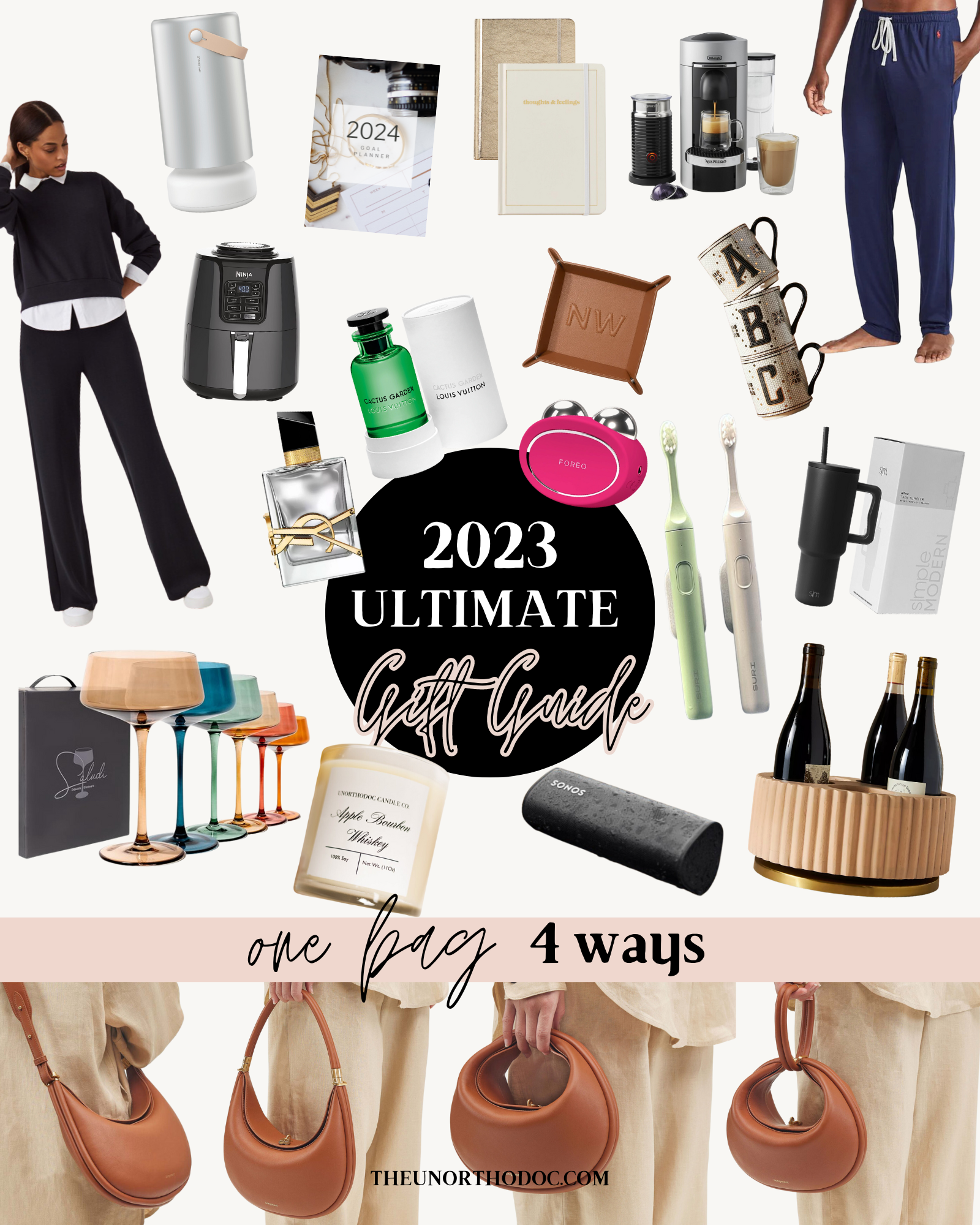




NOOK™: The Modern Toothbrush Holder that Combines Hygiene, Simplicity, and a Meaningful Mission
As a dentist and orthodontic specialist, I understand the importance of maintaining a clean, hygienic toothbrush. Your toothbrush does more than keep your teeth clean; it's a direct line to your health, which makes how you store it surprisingly crucial. That’s where the NOOK™ toothbrush holder comes in, blending practicality with purpose.
Over the last several weeks, I’ve been personally using the NOOK™ toothbrush holder, and it has quickly become a mainstay at my bathroom sink. Its thoughtful design and hygienic features have elevated my oral care routine. My husband has started using it as well, and I’m planning to gift a few to friends and family. It’s just that good!
As a dentist and orthodontic specialist, I understand the importance of maintaining a clean, hygienic toothbrush. Your toothbrush does more than keep your teeth clean; it's a direct line to your health, which makes how you store it surprisingly crucial. That’s where the NOOK™ toothbrush holder comes in, blending practicality with purpose.
Over the last several weeks, I’ve been personally using the NOOK™ toothbrush holder, and it has quickly become a mainstay at my bathroom sink. Its thoughtful design and hygienic features have elevated my oral care routine. My husband has started using it as well, and I’m planning to gift a few to friends and family. It’s just that good!
Designed by Brian Gellman, a New Jersey native, NOOK™ is not just another bathroom accessory; it’s a thoughtfully crafted, eco-friendly tool dedicated to honoring health, hygiene, and hope. Created with a personal mission in mind, Gellman donates proceeds to breast cancer research in memory of his mother, Barbara, who courageously battled cancer multiple times. With every NOOK™ purchase, you're supporting a cleaner, healthier lifestyle while helping fund life-saving research.
Why NOOK™?
Most toothbrush holders seem innocent enough but often end up doing more harm than good by inadvertently harboring germs. Let’s take a closer look at four common storage styles that are actual breeding grounds for bacteria and see how NOOK™ smartly tackles each problem.
1. The Cruster
That familiar crusty circle of toothpaste and water residue at the base of your electric toothbrush isn’t just unsightly, it’s a hotbed for bacteria. NOOK™ understands this all too well. Designed with an open back that allows for a hygienic drip-dry process, it keeps your toothbrush clean and crust-free.
2. The Capper
Traditional toothbrush covers may seem helpful, but they trap moisture around bristles, creating the perfect conditions for mold and germs to grow. NOOK™'s design lets your toothbrush breathe, keeping it dry and free from harmful buildup.
3. The Sinker
Keeping your toothbrush on the sink can feel convenient, but it exposes your brush to airborne bacteria every time the toilet flushes. NOOK™'s edge-mounted design prevents such exposure by securely holding your toothbrush off the sink, shielding it from those tiny invaders.
4. The Cupper
Storing multiple toothbrushes in a single cup quickly leads to cross-contamination. NOOK™ avoids this by holding each toothbrush separately, ensuring hygienic storage every time.


Simple, Hygienic, and Sustainable
As a dental professional, I recommend NOOK™ because it’s uniquely designed to support cleaner, healthier habits. Not only is it a more hygienic choice, but it’s also a cost-effective, durable, and sustainable option. NOOK™ is manufactured locally in New Jersey using recyclable polypropylene and a unique BDP additive, an organic material that allows microbes to break down plastic when it eventually hits the landfill. This commitment to sustainability is part of what makes NOOK™ a refreshingly conscientious choice.
How to Set Up and Use NOOK™
Setting up your NOOK™ toothbrush holder is as easy as it gets, but here’s a quick guide:
Attach the Suction Cup: Insert the top of the suction cup into the base, giving it a firm squeeze with your thumb and forefinger to secure it.
Mount It on the Sink Edge: Position the suction cup at the edge of your sink and press down on the NOOK™ post to engage the suction. Ensure the back of the NOOK™ touches the sink side for stability.
Place Your Toothbrush: Insert your manual or electric toothbrush head-down into the slots designed to fit either type. For electric brushes, the head can be detached for drip-drying, keeping everything clean and easy to maintain.
Close the Cover: After placing your toothbrush, click the cover shut to keep everything protected yet airy.


NOOK™ has also designed this holder with travel in mind, offering a secure and sanitary solution for your toothbrush on the go. Simply pack it up, and you’re good to go.
Built for All Toothbrushes
Whether you're a fan of manual brushes or prefer the power of electric ones, NOOK™ has you covered. The holder is universally compatible, able to hold all kinds of electric toothbrushes securely. This versatility makes NOOK™ a reliable companion for every family member's oral hygiene routine.
Giving Back: A Personal Mission in Every NOOK™ Purchase
As a health professional, I’m drawn to products that go beyond practicality and embody a mission of care. NOOK™'s creator, Brian Gellman, dedicated this innovative product to his mother, Barbara, who bravely fought cancer for over 30 years. This journey inspired him to support breast cancer research, giving families everywhere the chance to hope for a future where no woman has to hear those devastating words. With each NOOK™ purchase, you’re contributing to this mission, turning everyday self-care into an act of support.
Why Every Bathroom (and Every Toothbrush) Deserves a NOOK™
NOOK™ offers a solution that prioritizes cleanliness, sustainability, and convenience, all while supporting a mission that’s deeply meaningful. It’s a toothbrush holder that doesn’t just hold your toothbrush but thoughtfully protects it, preventing the common issues that can compromise your health. From the bathroom to the travel bag, NOOK™ ensures a clean, compact, and truly considerate storage solution.
As a dentist and orthodontist, I recommend NOOK™ as the toothbrush holder of choice. Experience how NOOK™ protects your toothbrush, supports a healthier lifestyle, and lets you feel good about making a small difference with each use.

Social Media Marketing for Healthcare Professionals
Social media has become an essential tool for healthcare professionals looking to stay connected, grow their practices/brand, and engage with patients. In this era, it is imperative that healthcare professionals embrace social media marketing to stay relevant, connect with patients, and build their brand. Gone are the days when patients solely relied on word-of-mouth recommendations, directory listings or the nearby practice to choose their healthcare providers. Now, potential clients are likely to check your social media presence before making a decision.
Whether you’re a dentist, physician, physical therapist, or any other healthcare professional, social media marketing offers a valuable platform to educate, engage, and build trust with your audience. In this blog post, we’ll explore how you can harness the power of social media to grow your practice, establish authority, and create a loyal following.
Social media has become an essential tool for healthcare professionals looking to stay connected, grow their practices/brand, and engage with patients. In this era, it is imperative that healthcare professionals embrace social media marketing to stay relevant, connect with patients, and build their brand. Gone are the days when patients solely relied on word-of-mouth recommendations, directory listings or the nearby practice to choose their healthcare providers. Now, potential clients are likely to check your social media presence before making a decision.
Whether you’re a dentist, physician, physical therapist, or any other healthcare professional, social media marketing offers a valuable platform to educate, engage, and build trust with your audience. In this blog post, we’ll explore how you can harness the power of social media to grow your practice, establish authority, and create a loyal following.
Why Social Media Marketing is Essential for Healthcare Professionals
Healthcare is a service-driven industry where trust and reputation play pivotal roles in attracting and retaining patients. Social media gives healthcare professionals the unique opportunity to:
Build Trust and Credibility
Social media allows you to showcase your expertise by sharing educational content, patient testimonials, case studies, and behind-the-scenes looks into your practice. This builds trust and credibility, making potential patients feel more confident in choosing your services.Engage Directly with Your Audience
Social media platforms allow for two-way communication, where patients and potential clients can ask questions, leave reviews, and engage with your content. It humanizes your brand and shows that you’re approachable and ready to listen.Promote Patient Education
A strong social media presence provides a platform to share valuable health tips, procedural information, and medical advancements. By educating your audience, you position yourself as an expert in your field and a go-to resource for health-related questions.Attract New Patients
A well-planned social media strategy can expand your reach beyond your local community. This is particularly beneficial for specialists or telehealth providers who may not be limited by geographic location.Improve Patient Retention and Loyalty
Consistent and meaningful engagement on social media builds relationships. Patients who feel connected to you are more likely to stay loyal and recommend your services to others.
Choosing the Right Social Media Platforms
Before diving into content creation, it’s crucial to choose the right social media platforms for your practice. Each platform has its own strengths and audience, so here’s a quick rundown:
Instagram: A visually-driven platform that’s great for sharing photos, videos, infographics, and stories. Perfect for showcasing before-and-after results (for dentists, dermatologists, etc.), behind-the-scenes glimpses, and educational posts.
Facebook: Ideal for building a community and sharing a mix of content, including articles, videos, live streams, and patient testimonials. It’s also great for paid advertising due to its advanced targeting features.
LinkedIn: The professional network of choice, LinkedIn is where healthcare professionals can network with peers, share industry insights, and establish authority in their field.
X (formerly Twitter): Ideal for sharing quick tips, engaging in healthcare conversations, and staying updated on trends. Short, informative posts work best here.
YouTube: Perfect for creating longer-form video content, like educational videos, procedural explanations, and interviews with healthcare professionals.
TikTok: Known for its short-form, highly engaging videos, TikTok is an excellent platform for healthcare professionals looking to create bite-sized educational content, health tips, and even debunk myths in a fun, approachable way. It’s especially popular with younger audiences, making it a great space for reaching millennials and Gen Z.
Developing a Winning Social Media Strategy
Now that you’ve selected the platforms that work best for your practice, the next step is to develop a strategic approach to your social media marketing. Here’s how to do it:
1. Define Your Goals
Before posting content, you need to identify what you want to achieve with your social media presence. Common goals for healthcare professionals include:
Increasing brand awareness
Educating patients
Attracting new patients
Building relationships with existing patients
Showcasing successful treatments or services
Once your goals are clear, your content can align with achieving them.
2. Know Your Audience
Your audience is key to determining what type of content will resonate with them. Healthcare professionals often serve diverse groups of patients, so it’s essential to consider factors such as age, gender, medical needs, and geographic location when crafting your content.
For example, if you’re a pediatric dentist, your content should appeal to parents and guardians, whereas a specialist like a cardiologist may focus more on adults in their 40s and 50s.
3. Create Engaging, Educational Content
Healthcare professionals are in a unique position to provide value through education. When patients understand their conditions and treatments, they’re more likely to trust you and follow through with recommended care. Here are some content ideas to consider:
Educational Posts: Share health tips, preventive care advice, or explanations of treatments and procedures.
Patient Testimonials: Ask satisfied patients to share their experience (with consent). Video testimonials are especially powerful.
Before-and-After Photos: Showcasing results can help build trust and showcase the efficacy of your treatments. Remember to obtain patient consent for these as well.
Live Q&A Sessions: Go live to answer common patient questions or host a discussion on trending health topics.
Day in the Life: Give your followers a behind-the-scenes look at your practice. This could include showing how you prepare for procedures, staff interactions, or a tour of your office.
4. Post Consistently
Consistency is key to building and maintaining an active presence on social media. Aim to post regularly, whether it’s daily, several times a week, or weekly, depending on your schedule. Tools like a scheduling software (I personally use planoly) can help you stay consistent, even on busy days.
5. Engage with Your Audience
It’s not enough to simply post content, you must also interact with your audience. Respond to comments, answer questions, and acknowledge feedback. This shows your patients that you’re listening and value their input.
6. Leverage Paid Advertising
If you want to accelerate growth, consider using paid advertising on platforms like Facebook, Instagram, or LinkedIn. Paid ads allow you to target specific demographics, ensuring your message reaches the people most likely to need your services. You can promote educational videos, special offers, or introduce a new service in your practice.
Tips for Staying Compliant with Healthcare Regulations
One of the biggest challenges healthcare professionals face with social media marketing is ensuring compliance with regulations like HIPAA (Health Insurance Portability and Accountability Act). Here are a few tips:
Patient Privacy Comes First
Never share any identifiable patient information without explicit written consent. Even positive comments from patients require permission before resharing.Use Disclaimers
Make it clear that your social media content is for educational purposes only and is not a substitute for professional medical advice.Monitor Reviews Responsibly
Encourage satisfied patients to leave reviews, but do not directly address or respond to reviews that disclose specific patient information. Always maintain professionalism.
Getting Started with Social Media Marketing for Your Practice and Brand
Social media marketing is a powerful tool that healthcare professionals can use to grow their practices, engage with patients, and build trust within their community. By creating valuable, educational content, engaging with your audience, and staying compliant with healthcare regulations, you can establish a strong online presence that attracts new patients and strengthens relationships with existing ones.
If you’re ready to take your practice to the next level, start by creating a plan that aligns with your goals and audience. And remember, the key to social media success is consistency and genuine engagement. Take the first step and watch how it transforms your brans and practice!



Braxton's Big Milestone: Turning 3 and Starting Pre-K
This year has been a major milestone for my little boy, Braxton. He turned 3 and officially started pre-K in August! The transition from home to school has been quite an adventure, not just for him but for our entire family. I’m sure many parents can relate to the whirlwind of emotions and adjustments that come with this phase.
For the first three years of his life, Braxton was home with us, and we made a very intentional decision not to enroll him in daycare. Instead, I retired my mom to be his caretaker, and she’s been with him since birth. With both Reggie and I having demanding schedules as dental professionals, we felt this was the best option for our family. I worked four days a week while Reggie, who’s semi-retired, worked three days a week. We maintained a good balance of time with our patients and plenty of quality time with Braxton, which was a priority for us.
It’s important to note that our decision to keep him out of daycare was purely based on our unique situation. We have nothing against daycare and would’ve gladly gone that route if we didn’t have the choice to have my mom care for him. Every family has to do what works best for them!
This year has been a major milestone for my little boy, Braxton. He turned 3 and officially started pre-K in August! The transition from home to school has been quite an adventure, not just for him but for our entire family. I’m sure many parents can relate to the whirlwind of emotions and adjustments that come with this phase.
For the first three years of his life, Braxton was home with us, and we made a very intentional decision not to enroll him in daycare. Instead, I retired my mom to be his caretaker, and she’s been with him since birth. With both Reggie and I having demanding schedules as dental professionals, we felt this was the best option for our family. I worked four days a week while Reggie, who’s semi-retired, worked three days a week. We maintained a good balance of time with our patients and plenty of quality time with Braxton, which was a priority for us.
It’s important to note that our decision to keep him out of daycare was purely based on our unique situation. We have nothing against daycare and would’ve gladly gone that route if we didn’t have the choice to have my mom care for him. Every family has to do what works best for them!
From Home to Pre-K: How Braxton's Thriving
When the time came for Braxton to start school, we were, of course, a bit anxious about how the transition would go. After all, this was the first time he would be in a structured school environment with other kids, after spending his early years with close family. But, to our relief and joy, he’s transitioned beautifully.
On his very first day, his teacher commented on how impressed she was with his vocabulary! Early on, Reggie and I decided not to use baby talk with him. We wanted to help develop his communication skills as naturally and maturely as possible, and it seems like it’s paid off. He’s been soaking up his new surroundings, making new friends, and bringing home so many stories and new things he’s learned. We’re proud of how well he’s handled it all.
5 Tips for Transitioning from Home to Pre-K
If you’re preparing for a similar transition, whether your child is going to pre-K, daycare, or kindergarten, I know how nerve-wracking it can be. Here are a few tips that helped us (and Braxton) manage this significant change:
Talk About School in Advance
One of the best ways to ease the transition is to prepare your child mentally. Start talking about school in a positive light well before their first day. We made sure to describe it as a fun, exciting place where he’d make friends and learn new things. Braxton was excited before he even walked through the door.Set Up Playdates
If possible, arrange playdates with other children before school starts. This can help ease their social anxiety. Since Braxton hadn’t spent much time around kids his age, we introduced him to other kids in our circle, which made the transition easier for him once he entered a classroom full of new faces.Establish a Routine Early
Starting a consistent morning and evening routine a few weeks before school helps prepare your child for the structured environment. We made sure Braxton got used to waking up early and going to bed at a set time to avoid any shock to his system when pre-K began.Emphasize Independence
Encourage your child to do simple tasks independently, like dressing themselves or putting on their shoes. This builds confidence. We practiced this with Braxton, and it made him feel more secure on his first day knowing he could handle the little things on his own.Stay Positive (Even if You’re Nervous!)
Kids pick up on our emotions, so staying positive and enthusiastic is key. If you’re feeling anxious, they might too. We kept it light and fun, hyping up his “big boy” adventure. Staying upbeat about the change helped him approach it with excitement instead of fear.

Final Thoughts
This transition to school life is one of the first big steps your child will take, and it can feel like a big step for us parents too. Trust that they will rise to the occasion, and remember that it’s okay to feel emotional about it. Your little one is growing up, and it’s a beautiful thing to witness.
As for Braxton, I’m so excited to see all that he’ll learn and experience in this new chapter. And if you’re going through this transition with your child, I’d love to hear about your experience! How are you handling it, and how is your child adjusting?
PS: If you’re navigating big transitions like balancing work and parenthood or even thinking of starting your own business, check out my e-book, From Idea to Profit. It’s packed with actionable steps to help you turn your business dreams into reality. Plus, when you purchase, you’ll receive a free side hustle guide and workbook to get you started right away.
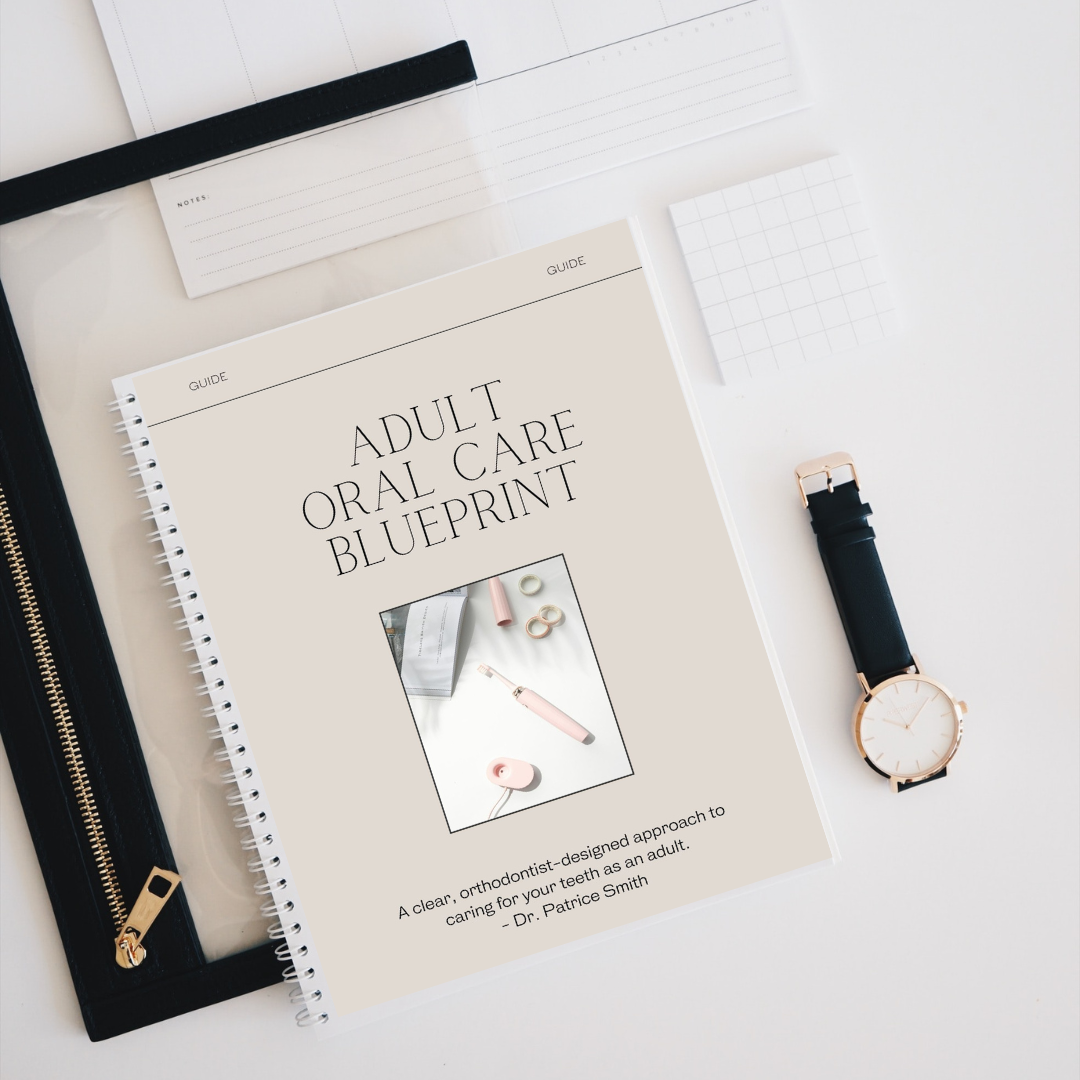

The Ultimate Upgrade: Slate Rechargeable Electric Flosser
Flossing just got a major upgrade! If you’re someone who loves maintaining top-notch oral hygiene, or you’ve been using Slate’s products for a while, get ready for an exciting development. Say goodbye to the battery-operated option and welcome the Slate Rechargeable Electric Flosser—a more powerful, eco-friendly, and advanced way to floss your teeth.
This new flosser is designed to elevate your daily dental routine, giving you a superior clean with innovative features that take flossing to the next level.
The Slate Rechargeable Electric Flosser is more than just a flosser, it’s an all-in-one tool for better oral hygiene. From eco-friendly benefits to its advanced Gum Sweep™ technology and tongue scraper, it’s designed to give you the cleanest mouth possible while being mindful of the environment.
If you want a more efficient and sustainable way to take care of your teeth, it’s time to upgrade. Don’t miss out on this revolutionary tool. Your smile (and the planet) will thank you!
Flossing just got a major upgrade! The dentist in me will always advocate for better ways to keep your oral health in tip top shape and, if you’re someone who loves maintaining top-notch oral hygiene, or you’ve been using Slate’s products for a while, get ready for an exciting development. Say goodbye to the battery operated option and welcome the Slate Rechargeable Electric Flosser. It’s a more powerful, eco-friendly, and advanced way to floss your teeth.
The flosser is designed to elevate your daily dental routine, giving you a superior clean with innovative features that take flossing to the next level.
Why choose the Slate Rechargeable Electric Flosser
The Slate Rechargeable Electric Flosser takes everything you love about the original product and enhances it. At its core, the upgrade from a battery-operated system to a rechargeable model brings several key benefits:
Cost-Efficiency: No more buying batteries! Simply charge the flosser with the included power cord, and you’re good to go for an entire month. One full charge provides an entire month of daily use.
Eco-Friendly: This flosser is a more sustainable option as you reduce battery waste and single-use floss picks. Plus, Slate’s recyclable packaging ensures you're doing your part to help the planet.
Enhanced Features: From Gum Sweep technology to an integrated tongue scraper, this flosser isn’t just about flossing, it’s about total oral care, which I love.

What's Included?
For $99.99 (originally $119.99), here’s what you’ll receive when you upgrade to the Slate Rechargeable Electric Flosser:
1 Rechargeable Electric Flosser
5 Reusable Gray Floss Heads (lasting up to 5 weeks)
1 Power Cord (USB-C Power Block not included)
Powerful Sonic Vibration Settings
The Slate Rechargeable Electric Flosser offers three vibration speeds to meet your specific needs:
8,000 Sonic Vibrations for a gentle clean.
12,000 Sonic Vibrations for a standard clean.
14,000 Sonic Vibrations for a deep clean that gets into the tightest spaces.
Whether you're dealing with sensitive gums or want to get in there for a more thorough clean, these settings ensure you have full control over your flossing experience.
Key Features That Elevate Your Oral Care Routine
1. Gum Sweep™ Technology
Slate’s patent-pending Gum Sweeps™ are specially designed to reach into areas that your toothbrush typically can’t. These flexible ribs and bristles massage your gums and scrub away hidden plaque and food particles. Using the Gum Sweep while flossing promotes healthier gums and a cleaner smile.
2. Built-in Tongue Scraper
We all know that bad breath often starts with bacteria on the tongue. The flosser includes a dual-row rubber bristle tongue scraper, which works to lift and scrape away bacteria. After that, a straight blade finishes the job by squeegeeing the surface of your tongue.
3. Non-Toxic Woven Floss
With 400 woven strands that are durable and non-toxic, this flosser head is safe for both you and the environment. It contains no harmful chemicals like Teflon, PTFEs, or PFAS.
Eco-Friendly and Sustainable
Each floss head lasts about a week, and switching to reusable floss heads instead of single-use floss picks will help you cut down on unnecessary plastic waste and spending. You can prevent over 700 plastic floss picks from entering landfills each year just by using this flosser.
How to Use the Slate Rechargeable Electric Flosser
Using your new Slate flosser couldn’t be easier! Here’s a quick step-by-step guide:

Power Up: Press the power button on the front to turn on the flosser.
Select Your Speed: Hold the power button for 3 seconds to switch between gentle, standard, or deep clean modes.
Floss: Slide the floss head between your teeth using the “Roll & Sweep” method (great for tight teeth). Let the Gum Sweeps™ do their job by moving the head from the front to the back of your teeth.
Scrape Your Tongue: After flossing, use the built-in tongue scraper 3-5 times to remove bacteria.
Rinse and Replace: Rinse the floss head thoroughly after each use, and replace it weekly for optimal hygiene.
Watch this how-to video to see the Slate Electric Flosser in action!
Special Offer: Save 10% with Code UNORTHODOC10
Ready to take your flossing to the next level? The Slate Rechargeable Electric Flosser is available now for $99.99 but you can save even more with my code UNORTHODOC10 at checkout for 10% off your purchase.
Grab yours at this link and start enjoying fresher breath, healthier gums, and a superior clean.
The Slate Rechargeable Electric Flosser is more than just a flosser, it’s an all-in-one tool for better oral hygiene. From eco-friendly benefits to its advanced Gum Sweep™ technology and tongue scraper, it’s designed to give you the cleanest mouth possible while being mindful of the environment.
If you want a more efficient and sustainable way to take care of your teeth, it’s time to upgrade. Don’t miss out on this revolutionary tool. Your smile (and the planet) will thank you!

The Power of Side Hustles: Turning Passion into Profit
Side hustles have become more than just a way to make extra money—they’re a path to achieving financial freedom, discovering passions, and even building a new career. Whether you’re balancing a full-time job, managing a household, or pursuing a professional degree, starting a side hustle can give you the flexibility to work on something you love while boosting your income.
Starting a side hustle can feel overwhelming, especially if you’re already balancing a lot in your life. But it’s about taking small, consistent steps toward your goal. The world is full of opportunities, and there is a side hustle that aligns with your skills, interests, and passions.
The most important thing is to take that first step. Whether it’s writing your first blog post, listing your first product on Etsy, or signing up for a freelance platform, just begin. Who knows? One day, you might find yourself with a full-fledged business that brings you joy and financial freedom.
Side hustles have become more than just a way to make extra money—they’re a path to achieving financial freedom, discovering passions, and even building a new career. Whether you’re balancing a full-time job, managing a household, or pursuing a professional degree, starting a side hustle can give you the flexibility to work on something you love while boosting your income.
One of the best examples of this is Freida McFadden, a physician who started writing fiction as a creative outlet. You might recognize her name as the author of The Housemaid, a psychological thriller. If you’re in my book club, we read this earlier this year. Initially, writing was just something she did on the side while practicing medicine. She self-published her books on Amazon, and before she knew it, her stories took off. Today, she’s more known for her work as an author, having gone part-time in her medical practice. And here’s the kicker—she now makes around $19,000 per day from her novels! This is the power of pursuing a side hustle that aligns with your passion.
Another incredible example is Dr. Jennifer Eisenhuth, an orthodontist who found herself with more time on her hands after her children went off to college. Instead of coasting, she channeled her energy into creating Dr. Jen Naturals, a line of all-natural toothpaste. By following her passion for dental health and natural products, she has grown her side project into a thriving business, offering a product that aligns with her values and professional expertise.
Both of these women show that it’s possible to pursue a side hustle while managing a full-time career or other responsibilities. The key is starting with what you have and letting your passion fuel the journey.
Side Hustle Ideas You Can Start Today
If you’re wondering where to start, here are some practical side hustle ideas that you can dive into right away:
Freelancing: If you have skills like writing, graphic design, or marketing, platforms like Upwork and Fiverr are great places to start offering your services.
Tutoring or Teaching Online: If you’re knowledgeable in a particular subject, consider tutoring through platforms like Chegg or teaching a course on Udemy or Skillshare. You can even create your own online courses and sell them directly.
Selling Digital Products: Whether it's an e-book, printable planner, or online course, digital products can be created once and sold indefinitely. Platforms like Gumroad and Etsy make it easy to sell to a global audience.
Starting a YouTube Channel or Blog: Share your expertise or experiences with the world. With consistency, these platforms can generate ad revenue, sponsorships, or affiliate income over time.
E-commerce: If you have a knack for creating physical products, you can sell them on Etsy or even start your own Shopify store. Print-on-demand services like Bonfire or Teespring let you sell apparel without needing to manage inventory.
Pet Sitting or Dog Walking: Platforms like Rover or Wag are great for pet lovers who want to make some extra money by caring for animals in their spare time.
Reselling Thrifted Items: Got an eye for a bargain? Resell vintage clothes, furniture, or collectibles on eBay, Poshmark, or Depop.
Photography: If you enjoy photography, offer your services for events, portraits, or stock photography on sites like Shutterstock or Adobe Stock.
Where to Find Side Hustles Online
The internet is packed with resources to help you find side hustles. Here are some great places to look:
Upwork: A freelance marketplace where you can offer services from writing to coding.
Fiverr: A platform where freelancers can offer “gigs” starting at $5.
Etsy: For selling handmade or vintage items, as well as digital products.
TaskRabbit: A platform that lets you complete small tasks and errands for others in your area.
Airbnb: If you have extra space, consider hosting on Airbnb to make passive income.
Rover: For dog walking or pet sitting gigs.
Skillshare: Not only can you take courses to learn new skills, but you can also teach and earn income by creating your own courses.
Encouraging Words for the Journey
One of the most important things to remember is that you don’t need to have everything figured out before you start. Both Freida McFadden and Dr. Jennifer Eisenhuth began their side hustles while still focusing on their primary careers. They didn’t wait for the “perfect moment”—they just started where they were, with what they had.
Starting a side hustle can feel overwhelming, especially if you’re already balancing a lot in your life. But it’s about taking small, consistent steps toward your goal. The world is full of opportunities, and there is a side hustle that aligns with your skills, interests, and passions.
The most important thing is to take that first step. Whether it’s writing your first blog post, listing your first product on Etsy, or signing up for a freelance platform, just begin. Who knows? One day, you might find yourself with a full-fledged business that brings you joy and financial freedom.
If you’re ready to take your side hustle journey even further, check out my Side Hustle Guide Volume 1, Side Hustle Guide Volume 2 and my e-book From Ideato Profit for more tips and tools on how to turn your passion into a profitable venture.

Top 5 Financial Tips for Young Professionals: Building Wealth and Security
Young adults should learn money management skills as early as possible. Those who learn financial literacy earlier are more likely to build good financial habits.
To be on track with building wealth, it's important to know various money saving tips. This article will discuss essential strategies to help you attain financial independence as a young professional.
Financial literacy is crucial for young professionals aiming to build wealth and ensure long-term security. This article outlines four key financial tips to help young adults establish strong financial habits. These tips help you take control of your finances early on to achieve your financial aspirations.
This is a guest post by Bash Sarmiento
Young adults should learn money management skills as early as possible. Those who learn financial literacy earlier are more likely to build good financial habits.
To be on track with building wealth, it's important to know various money saving tips. This article will discuss essential strategies to help you attain financial independence as a young professional.
Create a Realistic Budget
Creating a realistic budget is one of the first steps to building wealth and security. It helps you have a clear picture of your financial situation and live within your means. When creating a budget, remember that inflation can significantly erode your purchasing power. To safeguard your financial goals, it's crucial to adjust your budget accordingly.
This means increasing your savings rate to combat the decreasing value of money over time. For example, if inflation rises by 3% annually, consider increasing your savings rate to counteract the diminishing value of money over time.
Build an Emergency Fund
An emergency fund is a financial safety net that protects you from unexpected life events. It's a pool of money to cover unexpected expenses like job loss, medical emergencies, and natural disasters. Having an emergency fund prevents you from relying on credit cards or loans, which can lead to debt and financial stress. Remember to protect your savings from inflation and earn interest by using a high-yield savings account. By saving your emergency fund in a high-yield savings account, you maximize your money’s growth potential.
But while it’s important to have a liquid emergency fund, consider the opportunity cost of holding cash. Consider allocating a portion of your emergency fund to low-risk investments like bond funds or high-dividend ETFs. This strategy allows your money to potentially grow while remaining readily accessible for unexpected expenses.
Review and Adjust Your Financial Plan Regularly
It’s unlikely that one financial plan will work for you forever. Regularly reviewing and adjusting your financial plan is crucial for long-term financial success. This helps you adapt to life changes and enhance your financial security. Reviewing your budget regularly also helps you identify areas where you might overspend. This habit will enable you to make adjustments as you improve your financial discipline.
Finding different ways to save in everyday life is essential for boosting your financial health. For example, you can:
Embrace smart shopping habits: When shopping for groceries and other necessities, take advantage of coupons, promo codes, and discounts. It’s also smart to purchase non-perishable items in bulk to save money over time.
Enjoy alternative activities: Outdoor activities like picnics can be a fun and budget-friendly alternative to dining out. Simple yet delicious recipes can help you save money while enjoying quality time with loved ones.
Cut back on subscriptions: Regularly review your subscriptions and memberships to ensure you're getting value for your money. Cancel those you rarely use or find alternatives that offer better value.
Learn About Investment Vehicles and Strategies
Learning about investing is one of the smartest financial decisions you can make as a young professional. Financial literacy helps you make smart money decisions and stay financially secure. One part of building wealth and security is to familiarize yourself with different investment vehicles and strategies. This includes learning the basics of the following:
Mutual funds: These investment pools combine money from multiple investors to purchase a variety of securities. They offer diversification and professional management.
ETFs (Exchange-Traded Funds): Similar to mutual funds, ETFs are investment funds traded on stock exchanges. They offer more flexibility and potentially lower costs.
Retirement Accounts (401(k)s and IRAs): These tax-advantaged investment accounts help you save for retirement. Employers typically offer 401(k) plans, while you manage IRAs, or Individual Retirement Accounts, on your own.
Understand the Psychology Behind Financial Decisions
Building wealth and financial security isn't just about numbers; it’s also deeply rooted in psychology. It’s easier to make more informed and rational decisions when you’re aware of these psychological factors.
For instance, one of the most common psychological challenges is emotional spending. To combat emotional spending, you must be able to recognize triggers and implement strategies to manage impulses effectively. Mindfulness and self-awareness are incredibly helpful when it comes to combating emotional spending. A 24-hour rule (waiting a day before making any non-essential purchase) can also help curb impulse buying and ensure your spending is intentional.
Another possible psychological barrier to building wealth is the scarcity mindset. Some people fear not having enough resources, leading to financial decisions driven by a sense of lack.
As such, it’s important to shift your mindset from scarcity to abundance. Instead of focusing on limitations, embrace opportunities for wealth growth through strategic investments and sound financial management.
The Takeaway
Financial literacy is crucial for young professionals aiming to build wealth and ensure long-term security. This article outlines four key financial tips to help young adults establish strong financial habits. These tips help you take control of your finances early on to achieve your financial aspirations.

Meet Bash Sarmiento
Bash Sarmiento is a writer and an educator from Manila. He writes laconic pieces in the education, lifestyle and health realms. His academic background and extensive experience in teaching, textbook evaluation, business management and traveling are translated in his works.
Find him on Instagram and LinkedIn

Navigating Your Finances in Challenging Economic Times
In recent months, the economic landscape has become increasingly complex, with rising costs impacting nearly every aspect of daily life. From the grocery store to the gas pump, prices seem to be climbing with no end in sight. For young professionals and families alike, managing finances during these times requires a thoughtful and strategic approach.
Before diving into financial strategies, it’s important to understand the broader context. Inflation has been driving up the cost of living, while interest rates are fluctuating, impacting everything from mortgages to credit card debt. These factors, combined with potential job market uncertainties, make it more crucial than ever to be proactive with your finances.
In recent months, the economic landscape has become increasingly complex, with rising costs impacting nearly every aspect of daily life. From the grocery store to the gas pump, prices seem to be climbing with no end in sight. For young professionals and families alike, managing finances during these times requires a thoughtful and strategic approach.
Understanding the Current Economic Climate
Before diving into financial strategies, it’s important to understand the broader context. Inflation has been driving up the cost of living, while interest rates are fluctuating, impacting everything from mortgages to credit card debt. These factors, combined with potential job market uncertainties, make it more crucial than ever to be proactive with your finances.
Reassessing your Budget: Adapt and Adjust
The first step in managing your finances during challenging economic times is to reassess your budget. What worked last year may no longer be sufficient. Start by tracking your current expenses, paying close attention to areas where costs have increased. Then, look for opportunities to cut back or reallocate funds.
For example:
- Groceries: With food prices on the rise, consider meal planning and shopping with a list to avoid impulse buys. Buying in bulk or opting for generic brands can also help reduce costs.
- Utilities: Implement energy-saving measures at home, like using energy-efficient appliances or turning off lights and electronics when not in use.
- Subscriptions: Review your monthly subscriptions and cancel any that are non-essential or underutilized.
Building an Emergency Fund: a safety net
In uncertain times, having an emergency fund is more important than ever. If you haven’t already, aim to save at least three to six months’ worth of living expenses. This fund will act as a financial cushion in case of unexpected events like job loss, medical emergencies, or major repairs.
If saving seems daunting, start small. Even setting aside a modest amount each month can add up over time. Consider automating your savings to ensure consistency.

Managing Debt: Prioritize and Strategize
Debt management is another critical aspect of financial health during challenging times. With interest rates fluctuating, it’s essential to review your debt situation and consider options for minimizing interest payments.
Here are some strategies:
- Refinance or Consolidate: If you have high-interest debt, such as credit cards, look into refinancing or consolidating your loans at a lower interest rate. This can reduce your monthly payments and save money over time.
- Pay Off High-Interest Debt First: Focus on paying down debts with the highest interest rates first, as these are the most costly.
- Negotiate with Creditors: If you’re struggling to make payments, reach out to your creditors. They may be willing to work with you to adjust payment plans or temporarily lower interest rates.
Smart Spending: Focus on Value, not Cost
During times of economic uncertainty, it’s easy to fall into the trap of cutting costs indiscriminately. However, it’s important to focus on value rather than just the price. For example, investing in quality items that last longer can be more cost-effective than repeatedly buying cheaper, lower-quality products.
When making purchases, ask yourself:
- Is this a need or a want?
- Will this purchase add long-term value to my life?
- Are there alternatives that offer better value for money?
Seeking Additional Income Streams: Diversify Earnings
If your current income isn’t keeping up with rising expenses, consider seeking additional income streams. This might involve taking on a side gig, freelancing, or even exploring passive income opportunities like investments or rental properties.
While the idea of adding more to your plate might seem overwhelming, even small amounts of extra income can make a significant difference in your financial stability.
Planning For The Future: Stay Informed and Flexible
Finally, stay informed about the economic trends and how they might impact your finances. Regularly reviewing your financial plan and making adjustments as needed will help you stay on track. Flexibility is key—what works today might need to change tomorrow, depending on economic shifts.
Remember, the goal isn’t to panic but to be prepared. By taking proactive steps to manage your finances, you can navigate these challenging times with greater confidence and security.
A clear, orthodontist-designed guide to building a simple, effective oral care routine that fits your life.
Most adults are doing something right, but not necessarily what matters most. There’s a lot of information about oral care, but very little clarity. This guide was created to simplify that.
Inside, you’ll learn how to build a routine based on your specific needs, choose the right tools without guesswork, and focus on what actually makes a difference without overcomplicating it.
This is the same framework I use when guiding patients in real life, adapted into a clear, structured approach you can apply on your own.
If you’ve ever thought, “I just want to know what to do …for me,” this will help.