

Early Signs Your Child Might Need Braces (And When to Actually See an Orthodontist)
As a parent, it’s natural to wonder whether your child’s teeth are developing “normally.” Some kids seem to have perfectly straight smiles early on, while others look… a little chaotic. The truth is, orthodontic concerns don’t always announce themselves with obvious crooked teeth. Many early signs are subtle—and often overlooked.
The good news? Early awareness doesn’t always mean early treatment. It simply means informed, calm decision-making.
Most orthodontic associations recommend a first evaluation around age 7. That doesn’t mean braces at 7, it means observation.
As a parent, it’s natural to wonder whether your child’s teeth are developing “normally.” Some kids seem to have perfectly straight smiles early on, while others look… a little chaotic. The truth is, orthodontic concerns don’t always announce themselves with obvious crooked teeth. Many early signs are subtle, and often overlooked.
The good news? Early awareness doesn’t always mean early treatment. It simply means informed, calm decision-making.
Early Signs Parents Often Miss
Here are some common indicators that your child may benefit from an orthodontic evaluation:
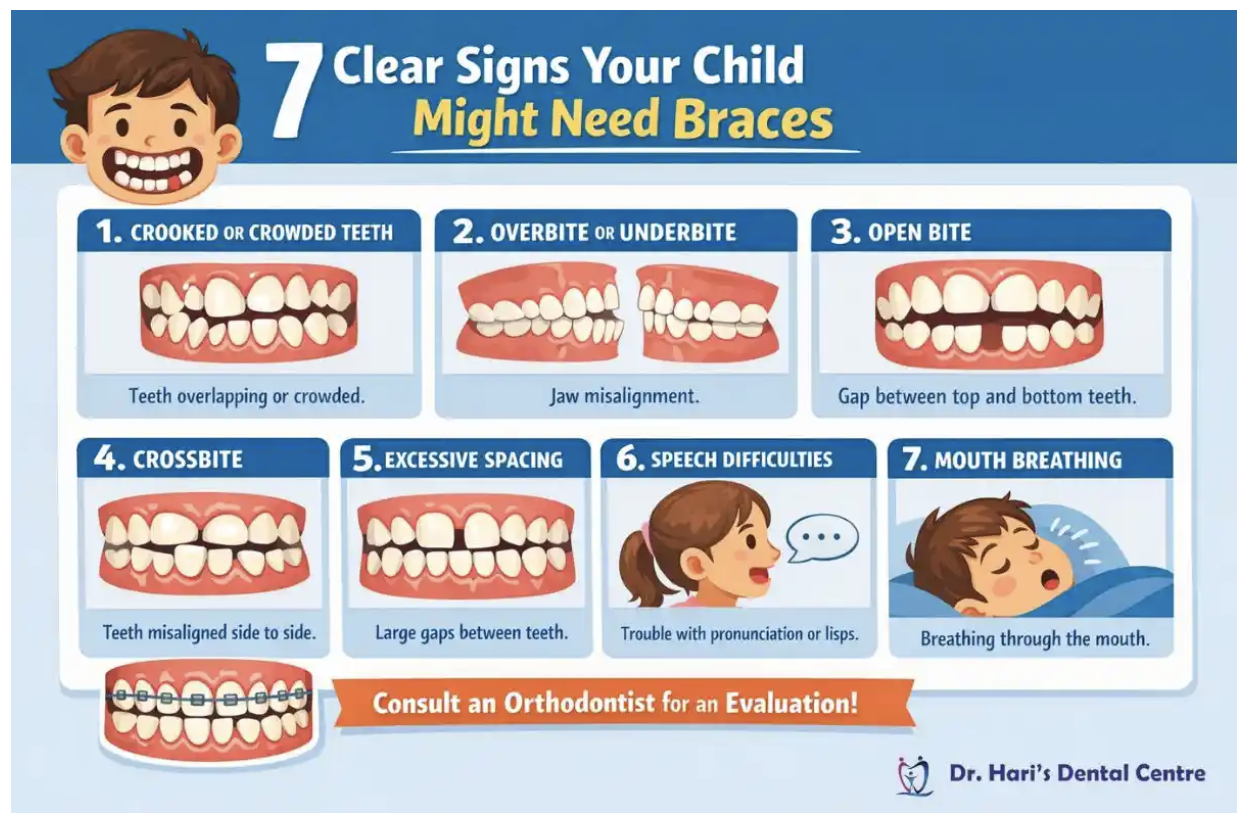
1. Crowded or overlapping teeth
If teeth are coming in twisted, overlapping, or squeezed together, it may indicate that the jaw doesn’t have enough space for proper alignment.
2. Early or late loss of baby teeth
Losing baby teeth too soon or holding onto them for too long, can affect how permanent teeth erupt and align.
3. Mouth breathing
Consistent mouth breathing (especially during sleep) can impact jaw development and facial growth.
4. Thumb sucking or prolonged pacifier use
When these habits continue beyond early childhood, they can influence tooth position and bite development.
5. Difficulty chewing or biting
If your child avoids certain foods or struggles to chew comfortably, it may be related to how their teeth fit together.
6. Speech issues
Lisping or other speech challenges can sometimes be connected to bite or jaw alignment.
7. Teeth that don’t come together properly
Underbites, overbites, crossbites, or open bites aren’t just cosmetic, they can affect function and long-term oral health.
So… When Should a Child See an Orthodontist?
Most orthodontic associations recommend a first evaluation around age 7. That doesn’t mean braces at 7, it means observation.
At this age, an orthodontist can:
Monitor jaw growth and tooth eruption
Identify potential issues early
Decide whether treatment is needed now, later, or not at all
In many cases, the best plan is simply “wait and watch.” Early visits often prevent unnecessary treatment and, when intervention is needed, can make it simpler and more efficient later.
What Parents Should Know (That No One Really Explains)
Early evaluations are about information, not pressure
Not every child needs braces
Timing matters more than rushing
Early care can sometimes reduce treatment length and complexity later on
As both an orthodontist and a parent, I approach these conversations with families differently than I once did. I know how overwhelming decisions about your child’s health can feel. My goal is always clarity, reassurance, and trust, not urgency.
If you’ve been wondering whether it’s time to check in, consider this your permission to get answers without commitment.
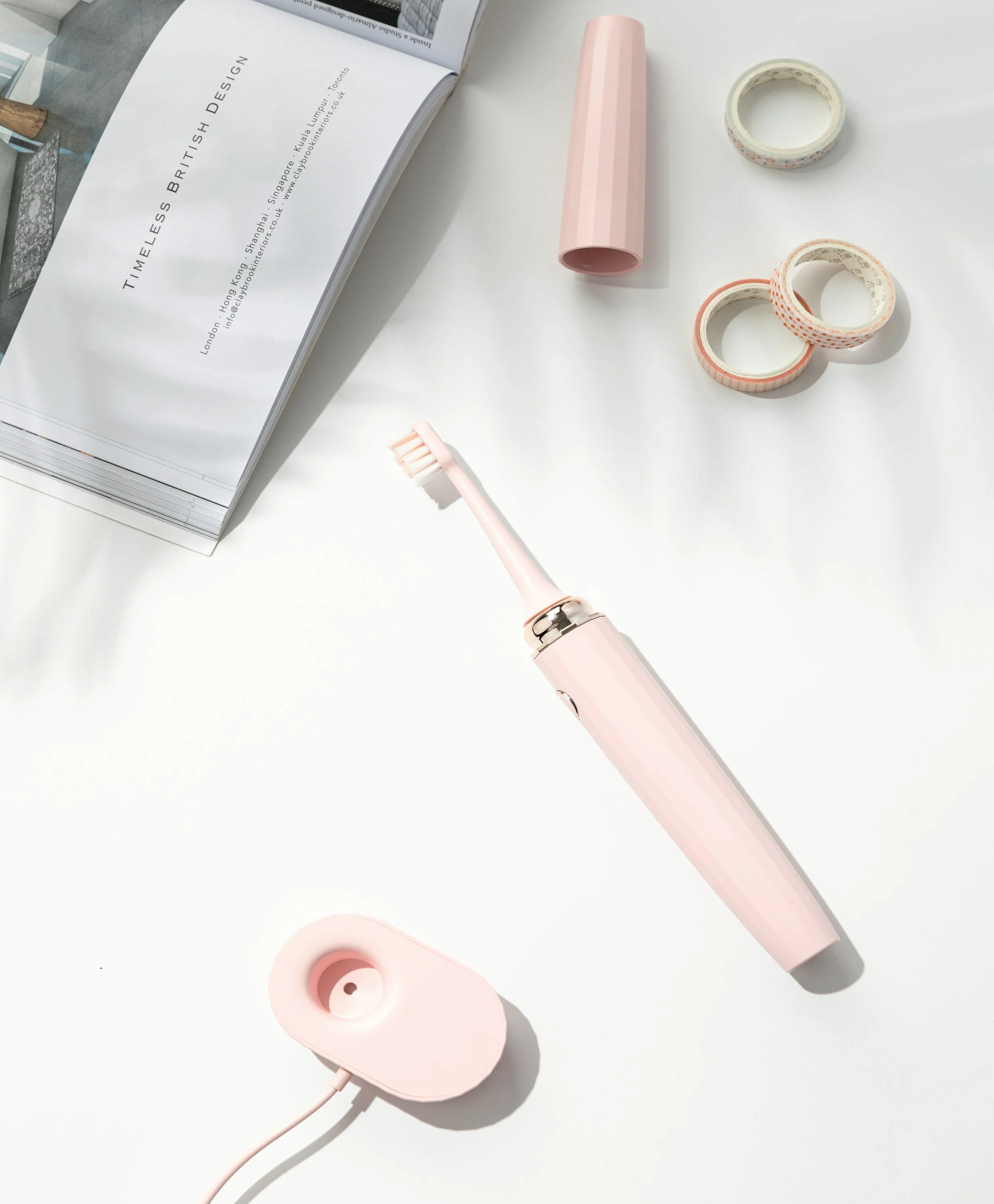


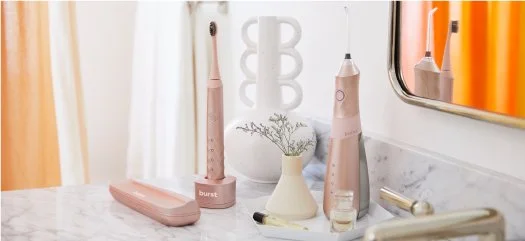
Burst electric Toothbrush: An Orthodontist's Review
As a dentist (Orthodontist), every now and then oral care brands send me items to try, have my patients try, give my feedback and then write a review. One of these said companies is the BURST, and in this case it’s their electric toothbrush.
As a dentist (Orthodontist), every now and then oral care brands send me items to try, have my patients try, give my feedback and then write a review. One of these said companies is the BURST, and in this case it’s their electric toothbrush.
If I’m being honest, I initially thought of BURST as one of the latest social media fads. If you have spent any time on social media in the last year or so, then chances are high that you have heard about them from not only dental professionals but a host of “influencers.” I am often wary of items that I notice influencers are all over at the moment. It is no secret that brands pay influencers to drive sales of their products and it can be hard to tell whether the reviews are genuine or if it’s for a paycheck.
As an Orthodontist, I am a fan of electric toothbrushes in general and frequently recommend them to my patients. I am not a brand loyalist so my recommendations usually take into consideration the needs and wants of my patients, their budgets, if the products work and do what they say they will, if the products are from a reputable company and whether I think it’s an overall good product.

toothbrush Highlights
Subscription service
Built-in timer and pacer for brushing
USB charging stand
90-day money back guarantee
Lifetime warranty
Clinically proven
Free delivery
Toothbrush Specifics & Impressions
33,000 sonic vibrations/minute
This is roughly 3000 more sonic vibrations than other popular electric toothbrushes. I found that even though there are more vibrations, it is very gentle regardless of the mode that you brush on. The 3 modes are: whitening mode (full power), sensitive mode ( gentler on gums and teeth than whitening mode), and massage mode (pulsating vibrations).
Shown to remove up to 10x more plaque than a manual toothbrush
Based on Clinical Studies *
Reduces gingivitis up to 3x more than a manual toothbrush
Based on Clinical Studies*
Tapered multi-length charcoal black bristles
These make the brushes stylish but there’s still a lot of debate in the dental community about the abrasive properties of charcoal. Some studies have found that charcoal gives it’s whitening effect by removing a thin layer of enamel, which can be harmful. However, these studies are few and inconclusive. I cannot speak on the effectiveness of having charcoal bristles versus another type, but I can say that the bristles are soft and my teeth felt like I had a professional cleaning at the dentist.
One month battery life
In line with other electric toothbrush brands
Lifetime Warranty
Love this - if at anytime the rush breaks stops working, burst will replace it for you free of charge.
* I downloaded the clinical studies report done by burst and skimmed the 357 page document which showed that this brush indeed did offer a superior clean over manual or comparable electric toothbrushes on the market. Feel free to peruse the study for yourself - Link to download clinical study.
Price POINT
There is a Black, White, Lavender and Rose Gold color option. It is $69.99 for the Black or White color option, $79.99 for the Lavender color option and $99.99 for the Rose Gold color option - all with free shipping. This is a subscription service so replacement brush heads are sent to you automatically (and conveniently) every 12 weeks for $8. Right now with this purchase, whitening strips refill packs are included free of cost (a $14.99 value). In my opinion, this is good value for the price especially when compared to the more popular electric toothbrush brands that will run you anywhere between $100-$300.
The Verdict
Overall, I really like the BURST toothbrush. It is superior to other leading electric brushes in the categories of sonic vibrations/minute which cleans and removes more surface stains a bit better, the lifetime warranty and the price point. Based on this, I agreed to become a dental professional ambassador and recommend their electric toothbrushes in my practice. My patients get the benefit of receiving BURST electric toothbrushes at a discounted price.
If you are interested in purchasing the BURST electric toothbrush for yourself you can also take advantage of special pricing and save by heading to their website and using the code UNORTHODOC at checkout. This will save you roughly 40% on your purchases. If for any reason you aren’t happy with your purchase, they have a 90-day money back guarantee.
PS: At the time the toothbrush was gifted to me, I was not a Burst ambassador. This is my honest review, and I became an ambassador after I read the clinical studies and used the brush myself.

Tips on Financing Your Dental Visits
As a dental professional, I know first hand that dental care can be pricey! However, the neglect from not having dental care could cost you a whole lot more in the long run. My patients often times tell me the reason(s) they haven’t had dental care is because they couldn’t afford it or because they do not have dental insurance. Because this is an everyday conversation in my practice, I figured I would take this conversation here as well.
As a dental professional, I know first hand that dental care can be pricey! However, the neglect from not having dental care could cost you a whole lot more in the long run. My patients often times tell me the reason(s) they haven’t had dental care is because they couldn’t afford it or because they do not have dental insurance. Because this is an everyday conversation in my practice, I figured I would take this conversation here as well.
Options for covering dental expenses:
Dental Insurance
Most medical plans do not include dental and thus dental insurance is sold separately. One important thing to note is that there is a difference between a dental office that takes your insurance vs a dental office that you are in-network with. A dentist may take your insurance even though you are out of network with them. Generally, using an out-of-network dentist means your insurance would cover less and you’d pay more. Being in-network, on the other hand, usually means that your insurance company has pre-negotiated the fees with the dentist and they generally don’t charge more than that.
Payment Plans Offered By Dental Office (In House Financing)
Some dental practices offer in house financing. This occurs when a patient sets up a payment plan with the practice when there’s no insurance or rather than applying for financing. For some, paying a bill on a weekly or monthly basis can be much more manageable than paying it in a lump sum. In these situations, the practice holds the risk for future nonpayment and typically doesn’t charge interest. It is also common for dental practices that use this type of program to offer a cash discount on larger procedures with full payment up front or if the patient agrees to a set schedule of equal payments over a set period of time.
Using a Health Savings Account
A Health Savings Account (HSA) is another potential financing option for your dental work. An HSA gives you the ability to put pre-tax money in each month that you can then use for medical expenses (which may include dental care). This can help lower your overall health care costs because it is pre-taxed money. Since most dental care is an eligible expense, many people decide to use the money in their HSA to help pay for any co-pays or dental procedures they may need.

Dental financing
If you don’t have insurance or can’t afford to pay for necessary dental care all at once, you might consider financing. This could mean borrowing money to pay for your treatment and then making monthly payments until it’s paid off. Financing also typically involves paying fees and interest on the money you borrow.
Here are some options if you need financing for necessary dental work:
Personal loan - A personal loan can be used to pay for a range of personal expenses, which can include dental work and medical treatment. These loans are typically unsecured loans, which mean the lender doesn’t require any collateral to secure the loan. Because of this, the lender will typically consider many factors, including your credit history, to determine whether you’ll be able to repay the loan.
Medical credit cards - Medical credit cards may be available to pay for healthcare treatments, including dental procedures. A medical credit card is very similar to a regular credit card, but you can only use a medical credit card to pay for healthcare — and only within a specific network of providers that accept the card. If you’re approved for a medical credit card, you can use it to pay a qualified provider for your medical or dental care. After that, you’ll owe the credit card issuer and make payments to them. Some medical credit cards may come with a period of deferred interest. If you’re able to pay off the balance within the deferred time period, you can avoid paying interest.
Intro 0% APR credit card - Rather than using a medical credit card, you may consider paying for your healthcare with a regular credit card. There are credit cards that offer an introductory 0% APR for purchases and balance transfers for a set period of time. After the introductory period ends, the card will have an APR based on your credit and other factors. If you’re able to pay off the amount you owe within the established time frame, which is usually somewhere between 12 and 21 months, you could finance your dental care interest-free.
As with a personal loan and a medical credit card, a regular credit card issuer will typically check your credit profile when considering you for a card.
Third Party Financing - Traditional third-party financing is what happens when patients elect to use their existing credit cards to pay for their treatment. While this is not typically thought of as a dental care financing option, it’s commonly used. The dental practice is paid in full within 24–48 hours after processing the credit card. The financing is provided to the consumer (patient) by the credit card’s issuing bank, and the issuing bank assumes the risk for nonpayment. Some popular third-party financing options are CareCredit, Lending Point and iCredit-Works.
Access to affordable dental treatment is an important issue. There are many options for covering dental expenses including dental insurance, in-house financing, Health Savings Accounts, and various loans through third-party lenders. Whichever method you choose, it’s important to do what’s best for your unique needs.






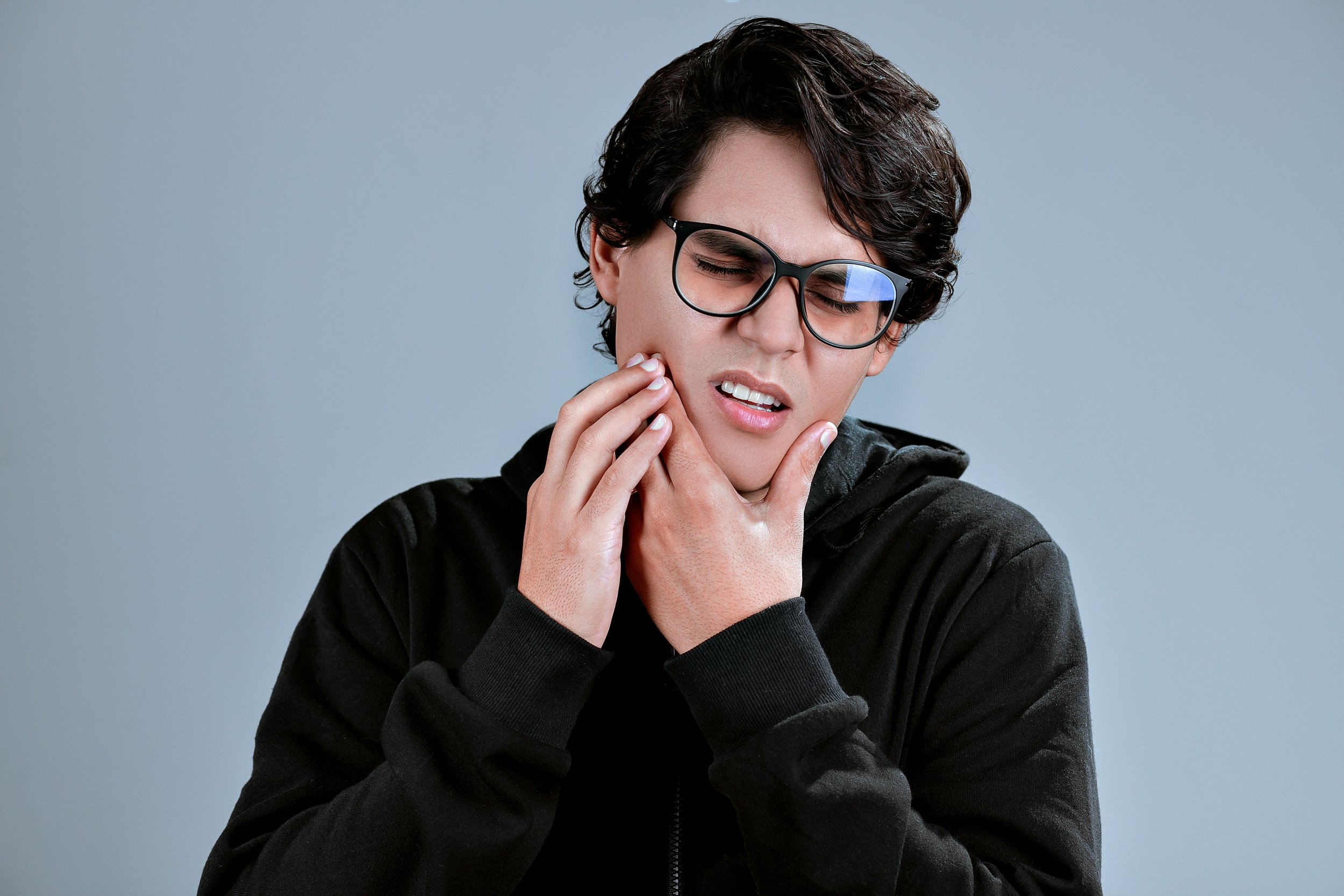
One of the most common complaints I hear from patients is, "My teeth are so sensitive."
Cold water hurts. Ice cream hurts. Sometimes even breathing in cold air can trigger that sharp, uncomfortable feeling.
Most people do what they're supposed to do: they buy a sensitivity toothpaste. But after months—or even years—of using it, many still struggle with sensitive teeth.