

Your Mouth Is Part of Your Body. So Why Do We Treat It Like It Isn’t?
For some reason, we’ve gotten really good at separating our oral health from the rest of our health.
We talk about going to the dentist as if it’s a completely separate appointment from taking care of our bodies. We think about cavities, cleanings, and flossing as “dental things” and everything else—heart health, blood sugar, inflammation, brain health—as something different.
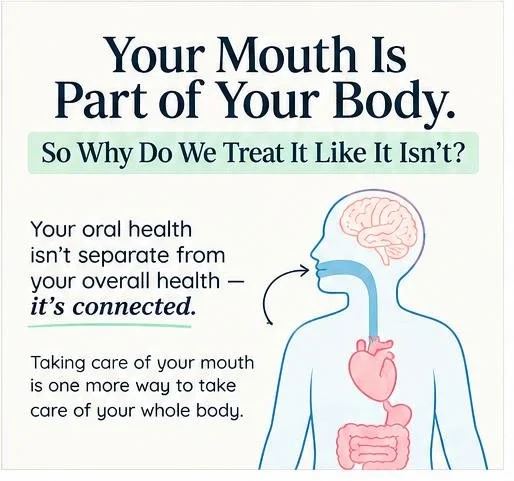
But your mouth is not an island.
It’s part of your body. And the health of your mouth can influence what’s happening throughout the rest of it.
Once you understand that connection, your daily oral care routine starts to feel a lot less like a chore and a lot more like an investment in your overall health.
Sponsored Article: This educational article is presented in partnership with Ollie
For some reason, we’ve gotten really good at separating our oral health from the rest of our health.
We talk about going to the dentist as if it’s a completely separate appointment from taking care of our bodies. We think about cavities, cleanings, and flossing as “dental things” and everything else—heart health, blood sugar, inflammation, brain health—as something different.
But your mouth is not an island.
It’s part of your body. And the health of your mouth can influence what’s happening throughout the rest of it.
Once you understand that connection, your daily oral care routine starts to feel a lot less like a chore and a lot more like an investment in your overall health.
Let’s talk about your oral microbiome
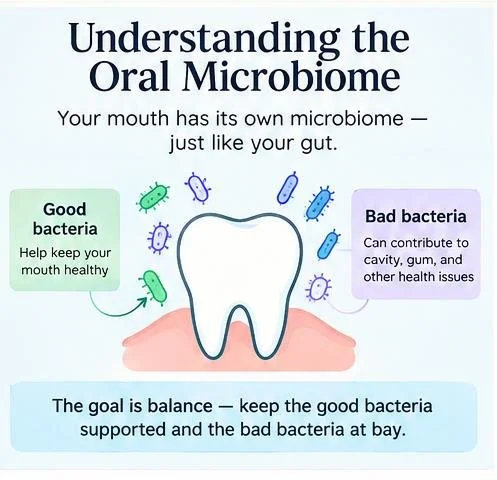
Just like your gut, your mouth has its own microbiome.
There are good bacteria and there are bacteria that, when they become overpopulated, can contribute to problems.
The goal isn’t to have a completely bacteria-free mouth. In fact, that’s not really possible—or necessarily desirable.
The goal is balance.
A healthy oral environment helps keep the bacteria associated with cavities, gum inflammation, and bad breath under control. But when that balance gets disrupted, the harmful bacteria can start to take over.
And that’s where things can get interesting.
So, what throws the oral microbiome out of balance?
There are a lot of potential factors, but two of the most obvious are pretty simple: neglect and overkill.
1. Not taking care of your mouth
This one probably isn’t surprising.
When you consistently skip brushing, flossing, or other parts of your oral care routine, plaque and bacteria have more opportunity to accumulate.
Over time, that can contribute to cavities, gingivitis, and eventually periodontal disease.
And periodontal disease isn’t just something that happens to your gums.
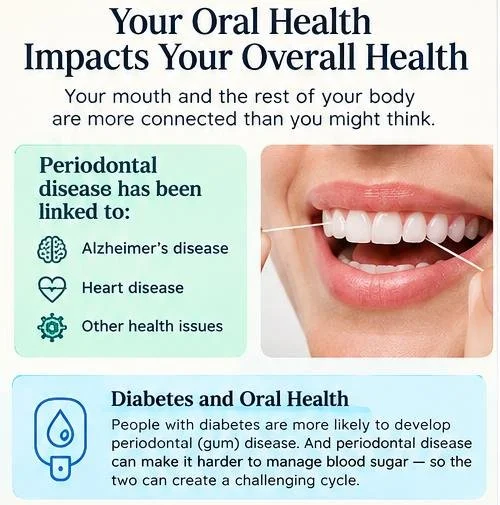
Research has found associations between periodontal disease and several systemic health conditions, including cardiovascular disease and Alzheimer’s disease. That doesn’t mean gum disease causes these conditions, but it does reinforce something important:
Your oral health and your overall health are connected.
2. Trying to kill everything
This one is a little less intuitive.
For years, we’ve been marketed the idea that killing 99.9% of bacteria is automatically a good thing.
But your mouth isn’t supposed to be sterile.
Some alcohol-based mouthwashes can be very effective at reducing bacteria, but frequent use may also disrupt the oral environment by affecting bacteria that we actually want to keep around.
And this is where I think our approach to oral care deserves a little more nuance.
More aggressive doesn’t always mean better.
If your goal is fresher breath and a healthier mouth, an alcohol-free mouthwash may be a better fit for your routine.
One option worth considering is Ollie’s Arctic Mint mouthwash. It uses ingredients like xylitol and zinc lactate with the goal of targeting harmful bacteria while supporting a healthier oral environment. It also contains hydroxyapatite, which can help support enamel and sensitivity.
You can find it HERE.
But can your overall health affect your mouth?
Absolutely.
The relationship goes both ways.
Diabetes is a great example.
People with diabetes have a higher risk of developing periodontal disease, an infection and inflammation of the gums and the tissues and bone that support your teeth.
And once periodontal disease develops, it can lead to things like:
Gum inflammation and bleeding
Persistent bad breath
Pain or discomfort
Difficulty chewing
Tooth loss
There’s another layer here, too.
Diabetes can affect the body’s ability to heal, which can make managing periodontal disease more complicated.
So when we talk about oral health, we shouldn’t think about it as simply, “Are my teeth clean?”
We should be thinking about the bigger picture.
The goal isn’t a perfect oral care routine
I think sometimes we make oral care much more complicated than it needs to be.
You don’t need a bathroom counter full of products.
You need consistency.
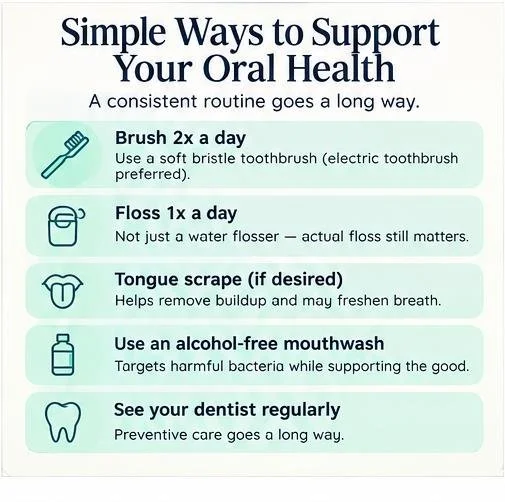
A solid routine can look something like this:
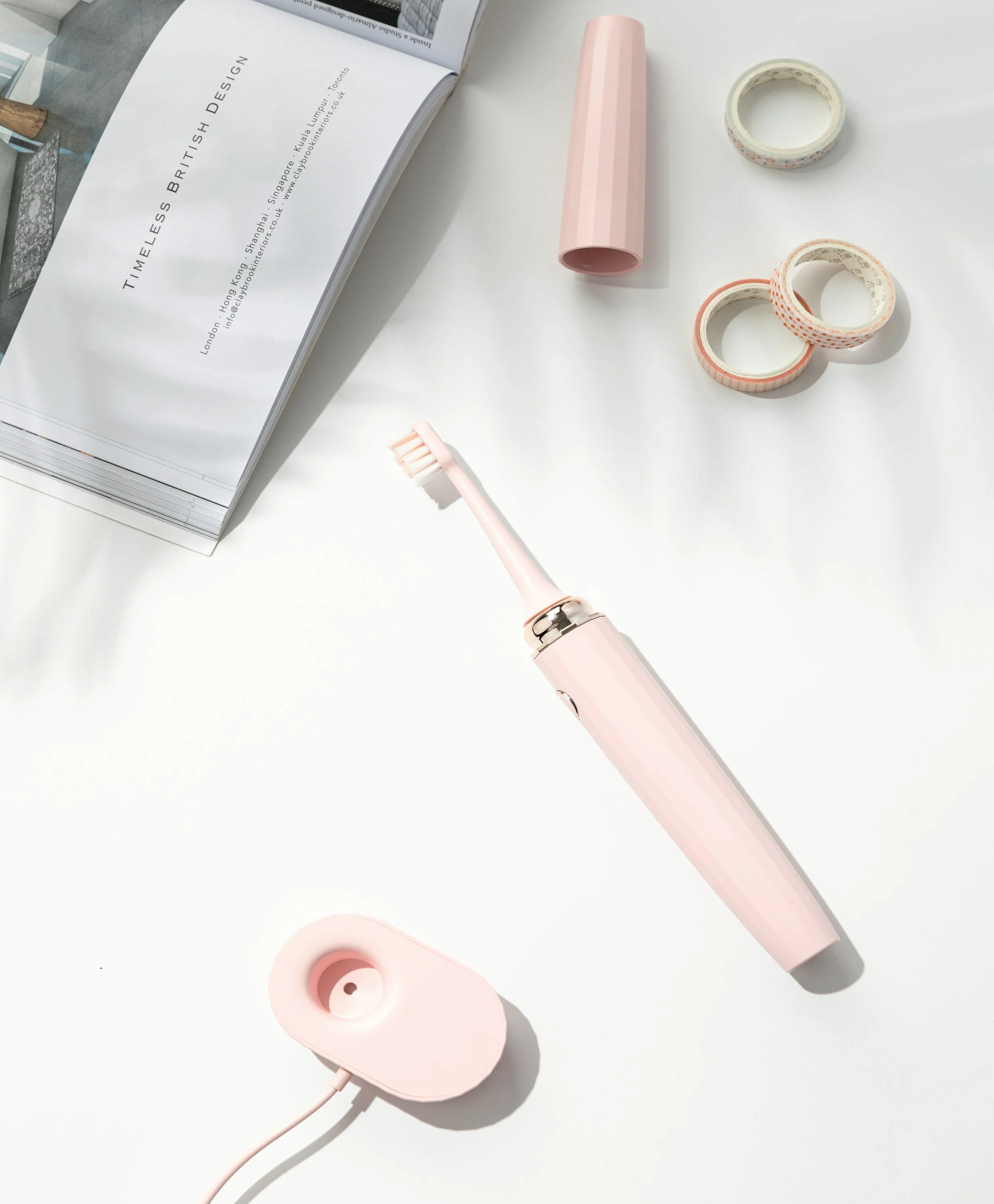
Brush twice a day. Ideally, use a soft-bristled toothbrush—and an electric toothbrush can be a great option.
Floss once a day. And yes, actual floss still matters. A water flosser can be a helpful addition, but it shouldn’t automatically replace traditional flossing for everyone.
Clean your tongue if you like. A tongue scraper can help remove buildup and may be especially helpful if bad breath is an issue.
Use an alcohol-free mouthwash if it makes sense for you.
And, perhaps most importantly, see your dentist regularly.
Because your oral health isn’t something you need to obsess over.
It’s something you need to consistently care for.
The Bottom Line
Your mouth is part of your body.
It contains its own complex microbiome. It responds to what you eat, how you care for it, your saliva, your habits, and your overall health.
So maybe it’s time to stop thinking about oral care as something we do simply to have a nice smile.
Taking care of your teeth and gums is one more way of taking care of you.
And honestly, that’s a much better reason to floss.
References:
https://pmc.ncbi.nlm.nih.gov/articles/PMC6560319/
https://penndentalmedicine.org/blog/connection-between-oral-health-and-overall-health/




Adult Oral Health: What Actually Matters (An Orthodontist’s Evidence-Based Guide)
Most dental advice is written for children, teenagers, or ideal circumstances. But adult life is different. It’s busier, more complex, and often more demanding.
Work responsibilities, caregiving, stress, sleep disruption, medications, diet changes, and simply aging all influence oral health in ways that are rarely discussed outside the dental office.
A practical, dentist-approved guide to adult oral health - what truly matters, what doesn’t, and how to maintain healthy teeth and gums for life.
Why Adult Oral Health Is DiffereNT
Most dental advice is written for children, teenagers, or ideal circumstances. But adult life is different. It’s busier, more complex, and often more demanding.
Work responsibilities, caregiving, stress, sleep disruption, medications, diet changes, and simply aging all influence oral health in ways that are rarely discussed outside the dental office.
The goal for adults is not perfection. It’s long-term stability.
Healthy teeth and gums into your 40s, 50s, and beyond are less about occasional heroic efforts and more about consistent, realistic habits that fit into real life.
The Biggest Misconception: More Effort = Better Results
Many adults assume they should simply “try harder” - brush longer, buy more products, or schedule frequent cleanings.
In reality, oral health outcomes are driven by a small number of high-impact behaviors done consistently.
Think of it like physical fitness: daily walking often beats occasional extreme workouts.
What Actually Matters Most
1) Plaque Control — Not Fancy Products
Plaque is a sticky biofilm of bacteria that forms constantly on teeth. Left undisturbed, it hardens into tartar and contributes to cavities and gum disease.
The most effective intervention is still mechanical removal:
Thorough brushing twice daily
Cleaning between teeth once daily
Reaching the gumline
Electric toothbrushes, manual brushes, and various technologies can all work — technique and consistency matter more than brand.
2) Interdental Cleaning Is Non-Negotiable
Brushing alone cleans only about 60% of tooth surfaces.
The remaining areas (between teeth) are where many adult cavities and gum problems begin.
Effective options include:
Floss
Interdental brushes
Water flossers
Other interdental cleaning tools
The best method is the one you will actually use every day.
3) Gum Health Is the Foundation of Tooth Health
Adults are far more likely to lose teeth from gum disease than from cavities.
Early signs of gum inflammation include:
Bleeding when brushing or flossing
Persistent bad breath
Swollen or tender gums
Receding gumline
Bleeding is not normal — it is a sign of inflammation.
Addressing gum health early prevents far more serious problems later.
4) Saliva Is an Unsung Hero
Saliva protects teeth by:
Neutralizing acids
Delivering minerals for repair
Washing away food particles
Controlling bacterial balance
Dry mouth — common with stress, medications, mouth breathing, or aging — significantly increases cavity risk.
If your mouth often feels dry, especially at night, this deserves attention.
5) Diet Frequency Matters More Than Sugar Alone
Many adults focus on eliminating sugar entirely, which is neither realistic nor necessary.
More important is how often teeth are exposed to fermentable carbohydrates and acids.
Frequent snacking, sipping sweet or acidic drinks, and constant grazing prevent saliva from repairing enamel between exposures.
Spacing eating occasions gives teeth time to recover.
6) Nighttime Habits Carry Extra Weight
Saliva flow drops significantly during sleep. That means bacteria and acids are less diluted overnight.
Going to bed with plaque, food debris, or sugary residue dramatically increases risk.
A thorough nighttime routine is one of the highest-impact habits for adult oral health.
7) Stress Affects Oral Health More Than Most Realize
Chronic stress can contribute to:
Teeth grinding or clenching
Jaw pain
Gum inflammation
Dry mouth
Neglected routines
Many adults manage demanding schedules without recognizing the physical toll on oral tissues.
What’s Worth Investing In (and What Isn’t)
High-quality oral care tools can be helpful, but they cannot compensate for inconsistent use.
Worth considering:
A toothbrush that allows thorough cleaning comfortably
Effective interdental tools
Regular professional dental visits
A custom night guard if grinding is present
Less critical:
Constantly switching products
Overly complicated routines
Marketing claims promising dramatic results
Simplicity supports consistency.
How Oral Health Connects to Overall Health
Research continues to show associations between gum disease and systemic conditions such as cardiovascular disease, diabetes, and adverse pregnancy outcomes.
While oral health alone does not determine overall health, it is an important component of whole-body well-being.
For busy adults, it’s helpful to think of oral care as part of preventive healthcare — not cosmetic maintenance.
Red Flags Adults Should Not Ignore
Seek professional evaluation if you notice:
Persistent bleeding gums
Loose teeth
Sudden sensitivity
Chronic bad breath
Pain when chewing
Changes in bite
Sores that do not heal
Early intervention is almost always simpler and less costly.
A Realistic Daily Routine for Busy Adults
Morning
Brush thoroughly
Clean between teeth if not done at night
Avoid immediate snacking after brushing
Throughout the Day
Stay hydrated
Limit constant grazing
Rinse with water after meals when brushing isn’t possible
Evening
Brush carefully before bed
Clean between teeth
Avoid eating afterward
Consistency matters more than perfection.
The Long Game
Healthy teeth into later adulthood are rarely the result of extreme effort. They are the outcome of small, repeatable behaviors maintained over years.
Oral health is not about achieving a flawless smile — it’s about preserving function, comfort, and confidence for life.
Final Thoughts
Adults often carry the responsibility of caring for everyone else while neglecting their own preventive needs.
A sustainable oral health routine is an investment not only in your smile but in your overall quality of life.
If you focus on the fundamentals — plaque control, gum health, hydration, diet patterns, and consistency - you are already doing most of what matters.
For some reason, we’ve gotten really good at separating our oral health from the rest of our health.
We talk about going to the dentist as if it’s a completely separate appointment from taking care of our bodies. We think about cavities, cleanings, and flossing as “dental things” and everything else—heart health, blood sugar, inflammation, brain health—as something different.
But your mouth is not an island.
It’s part of your body. And the health of your mouth can influence what’s happening throughout the rest of it.
Once you understand that connection, your daily oral care routine starts to feel a lot less like a chore and a lot more like an investment in your overall health.