Whether you’re a practice owner or an associate doctor, structuring holiday hours can be tricky but something we must always consider when planning our year. There are generally three main schools of thought when it comes to closing a practice for the holidays:
Some docs hate to close the office because they fear they will lose production/money.
Some docs choose to take the week after Christmas for family time and vacation without worrying about the needs of the practice(production) or staff(no work no pay).
Some docs choose to take the week after Christmas off but planned ahead throughout the year to ensure they are able to meet the needs of the practice and staff(no work but vacation pay).

If you or the owner doc struggle with any of the first two schools of thought above, here are some ways to strike a balance:
Create a slightly longer work week
The truth is, most offices are slower towards the end of December. Create an end of year marketing plan for patients to book appointments in the first three weeks of the month. If you are currently working 4 days per week, consider moving to 5 days. The extra days can bring quality production.
Boost production in the preceding month/months
Identify the months where you can increase production to compensate to meet the practice needs for the last week.
Budget Ahead of Time
1)-Evaluate Your Payroll numbers (How much is needed to pay your staff and Bills) and determine the number of
days you need off;
and
2)-Set aside the amount of cash needed in advance (A little bit every month will do the trick)
Be mindful of your staff and compensate them. You will need their help to accomplish these goals. These are a few simple tricks we can employ to close our offices the week after Christmas. Hope this helps. Have a safe and Happy Holiday. See you guys in 2021!!!
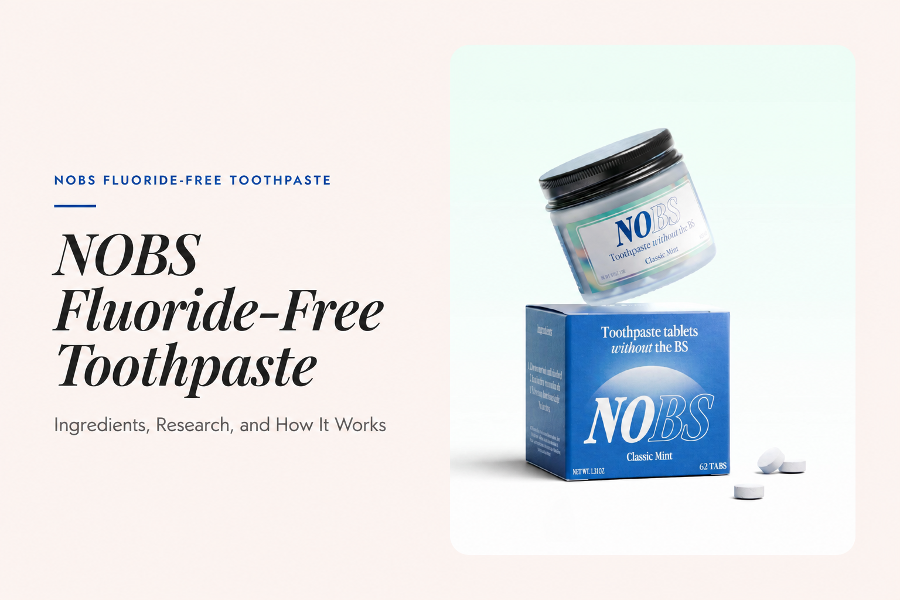
NOBS is a dentist-founded oral-care brand offering fluoride-free toothpaste tablets. Its finished tablet formulation was evaluated by university researchers in a peer-reviewed laboratory study published in Dentistry Journal. Co-founded by dentist Dr. Ilon Choai, NOBS combines 5% na
no-hydroxyapatite with a pre-measured tablet designed for everyday brushing, work, and travel.
Sometimes, when everything isn't immediately available, you develop an appreciation for things you might otherwise overlook.
We live in a remarkable time. So much of modern life has been designed around making things easier, faster, and more accessible. We can order almost anything we want and have it delivered to our homes. We can communicate with someone on the other side of the world almost instantly. We can have dinner arrive without leaving the house, summon a car from our phones, automate our bills, stream virtually any form of entertainment we want, and outsource countless tasks that previous generations simply had to do themselves.
There is an enormous amount to appreciate about that. Convenience has made life easier in ways that are genuinely meaningful, and access to technology, healthcare, education, transportation, and information has opened doors that were once unavailable to many people.

Why building wealth can give you the capacity to do more good.
There is a sentence I came across recently that made me stop and think:
The most philanthropic thing you can do is get rich.
At first, I wasn't sure what to make of it. We tend to think of philanthropy as something that happens after generosity has already been established: you give your time, your money, your resources, or your influence to help someone else. Getting rich, on the other hand, can sound almost antithetical to that idea. It conjures images of accumulation, consumption, and the pursuit of more for the sake of more.
But the more I thought about the statement, the more I understood the argument behind it.
For some reason, we’ve gotten really good at separating our oral health from the rest of our health.
We talk about going to the dentist as if it’s a completely separate appointment from taking care of our bodies. We think about cavities, cleanings, and flossing as “dental things” and everything else—heart health, blood sugar, inflammation, brain health—as something different.
But your mouth is not an island.
It’s part of your body. And the health of your mouth can influence what’s happening throughout the rest of it.
Once you understand that connection, your daily oral care routine starts to feel a lot less like a chore and a lot more like an investment in your overall health.
One of the thoughts that has been occupying my mind lately is how easily we allow our careers to become our entire identity. It's something I've observed not only in healthcare but across so many professions. We introduce ourselves by what we do. We spend years earning degrees, climbing ladders, building businesses, and establishing reputations. Before long, our profession isn't just something we do—it becomes who we believe we are.
At first glance, that doesn't seem like a problem. In fact, our culture often celebrates it. We admire the physician who lives at the hospital, the entrepreneur who works around the clock, the attorney who bills impossible hours, or the executive who is constantly "on." We associate that level of dedication with success.
But I've started to wonder whether we've confused dedication with identity.
There's a subtle but important difference.
Your career is something you build. Your identity is something you become.
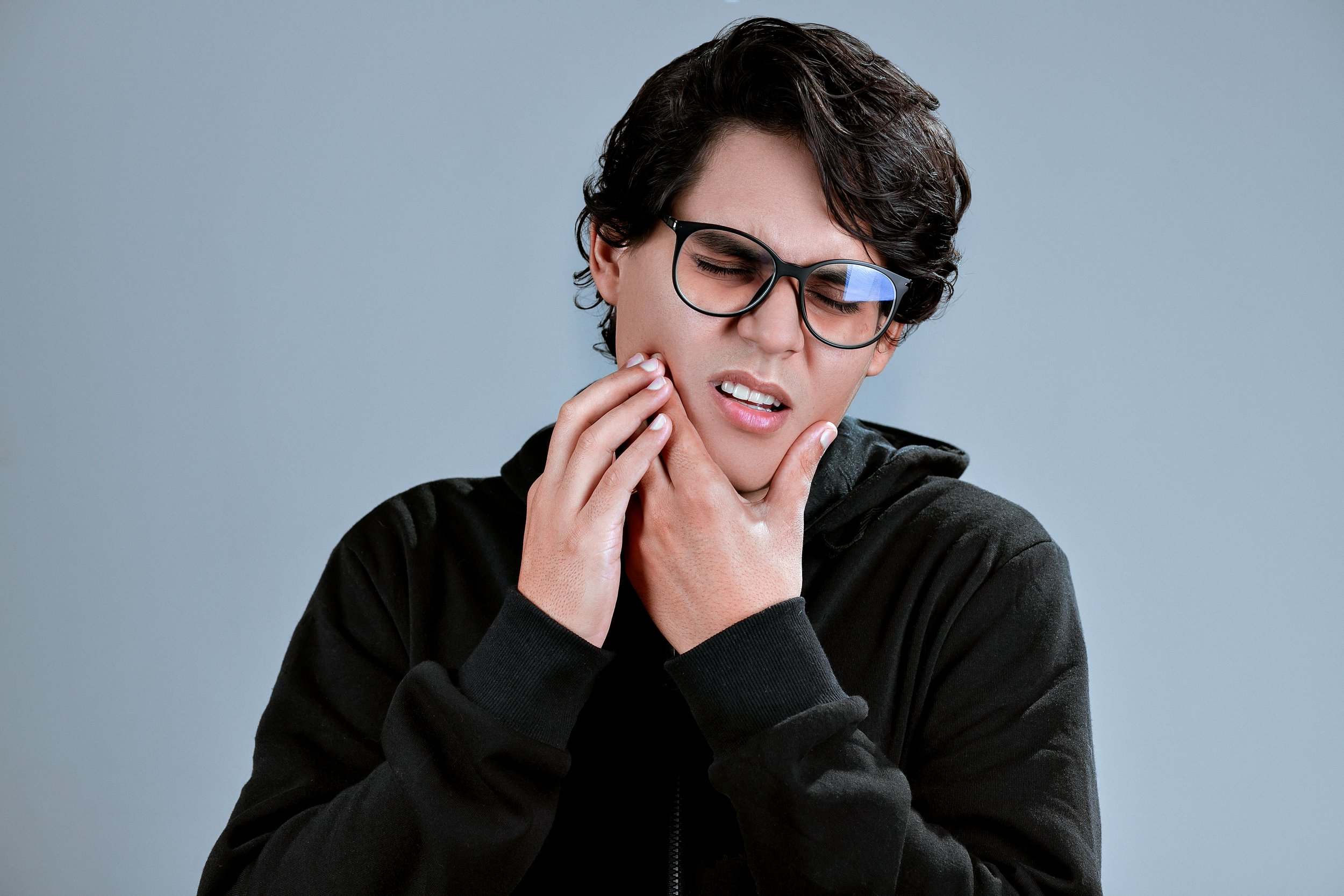
One of the most common complaints I hear from patients is, "My teeth are so sensitive."
Cold water hurts. Ice cream hurts. Sometimes even breathing in cold air can trigger that sharp, uncomfortable feeling.
Most people do what they're supposed to do: they buy a sensitivity toothpaste. But after months—or even years—of using it, many still struggle with sensitive teeth.

There is a particular kind of exhaustion that comes not from doing too much, but from trying to explain yourself too many times.
You are a doctor, but not just a doctor. You are a mother, but not the kind who disappeared into it. You are an entrepreneur, a woman of faith, someone with ambitions that don't always have a clean name. You have a lot going on, and somehow none of the categories that exist for any one of those things fully accounts for the rest of them.

There’s a feeling that doesn’t get talked about enough, and it’s one that’s often difficult to name.
It’s not burnout, and it’s not dissatisfaction. In many ways, everything is actually going well. Your career is stable, your family is cared for, and your life reflects something you once worked hard to build. From the outside, there is no obvious reason to question anything.
And yet, there can be a quiet sense that something is shifting.
Not in a way that demands immediate action, and not in a way that disrupts your day-to-day life, but just enough to notice. It’s subtle, and because of that, it’s easy to dismiss.
Most dental advice is written for children, teenagers, or ideal circumstances. But adult life is different. It’s busier, more complex, and often more demanding.
Work responsibilities, caregiving, stress, sleep disruption, medications, diet changes, and simply aging all influence oral health in ways that are rarely discussed outside the dental office.