
Why Your Sensitivity Toothpaste Might Not Be Working
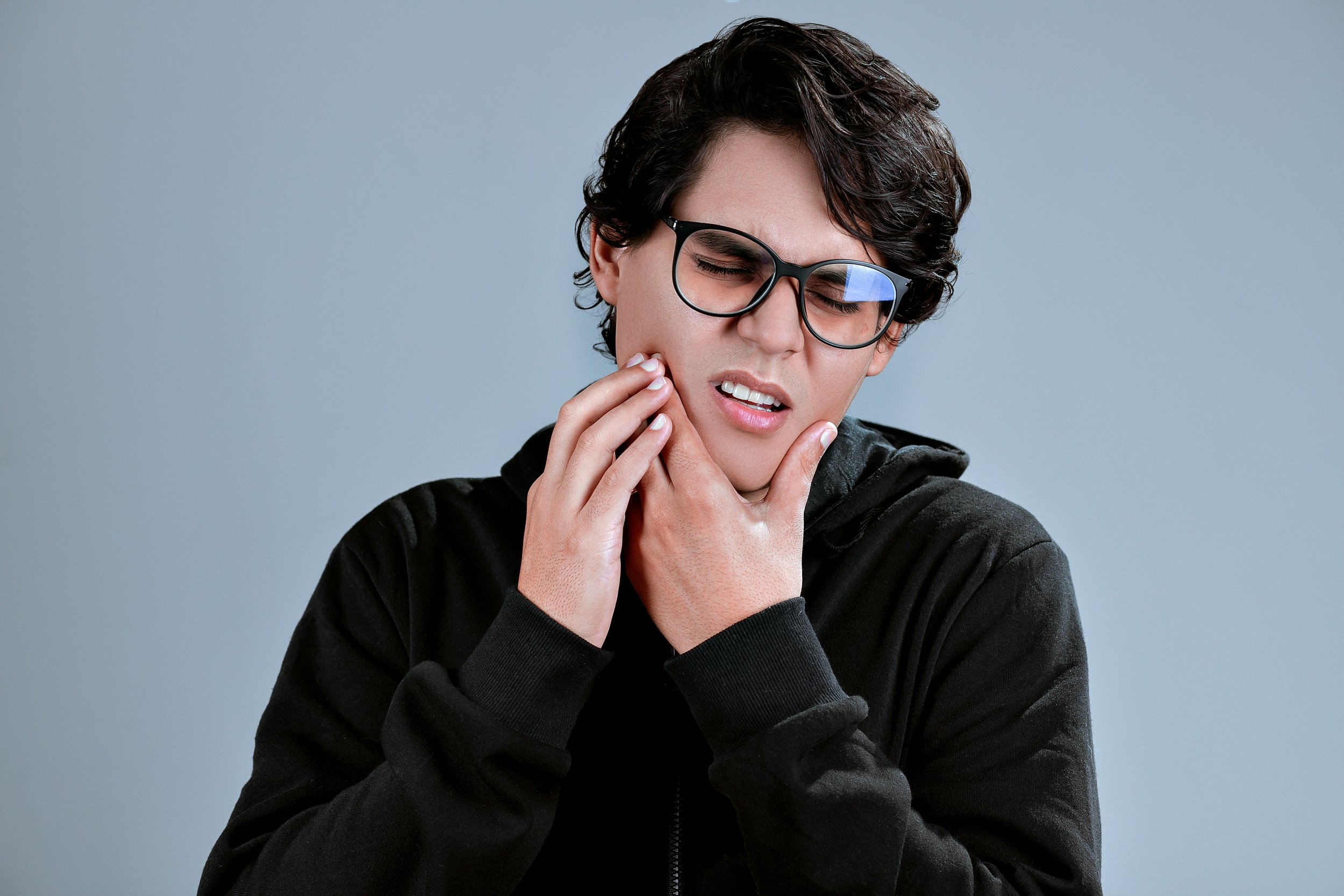
One of the most common complaints I hear from patients is, "My teeth are so sensitive."
Cold water hurts. Ice cream hurts. Sometimes even breathing in cold air can trigger that sharp, uncomfortable feeling.
Most people do what they're supposed to do: they buy a sensitivity toothpaste. But after months—or even years—of using it, many still struggle with sensitive teeth.
Sponsored Article: This educational article is presented in partnership with Ollie
One of the most common complaints I hear from patients is, "My teeth are so sensitive."
Cold water hurts. Ice cream hurts. Sometimes even breathing in cold air can trigger that sharp, uncomfortable feeling.
Most people do what they're supposed to do: they buy a sensitivity toothpaste. But after months—or even years—of using it, many still struggle with sensitive teeth.
So why does that happen?
What Actually Causes Tooth Sensitivity
Many people think of teeth as solid blocks of enamel, but that's not exactly how they work.
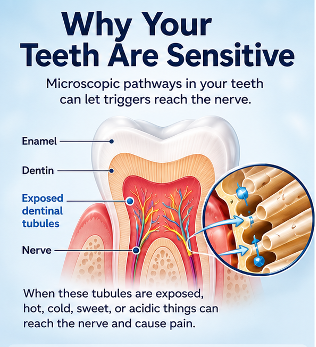
Under the enamel are microscopic channels called dentinal tubules. Think of them as tiny pathways that connect the outside of your tooth to the nerve inside.
When those pathways become exposed, hot, cold, sweet, or acidic foods can reach the nerve much more easily, causing sensitivity.
There are several reasons this can happen, including:
· Gum recession
· Teeth grinding or clenching
· Brushing too aggressively
· Acidic foods and drinks
· Enamel wear over time
· Certain dental procedures
The common theme is that the protective barrier around the tooth becomes compromised, allowing those microscopic pathways to become exposed.
How Most Sensitivity Toothpastes Work
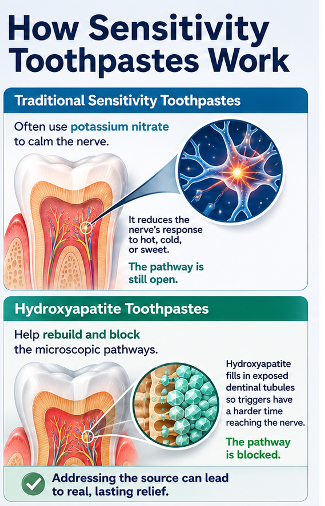
Many popular sensitivity toothpastes use an ingredient called potassium nitrate.
Potassium nitrate works by calming the nerve inside the tooth. Instead of fixing the source of the problem, it helps reduce the nerve's response to stimulation.
For some people, this provides relief. But many patients tell me that their sensitivity never completely goes away, even after using these products consistently.
That's because the exposed pathways are still there.
The nerve may be less reactive, but the underlying cause of the sensitivity hasn't changed.
A Different Approach
This is where hydroxyapatite comes in.
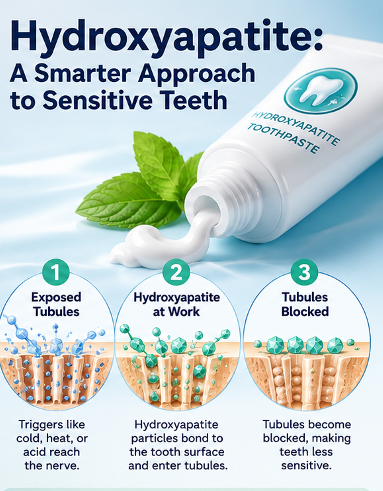
Hydroxyapatite is a mineral that naturally makes up a large portion of your enamel and dentin. In recent years, it has become increasingly popular in toothpaste because of its ability to support remineralization.
In simple terms, hydroxyapatite helps restore minerals to areas of the tooth that have lost them.
More importantly for sensitive teeth, it may help fill and block exposed dentinal tubules.
If those pathways are blocked, cold drinks and other triggers have a harder time reaching the nerve in the first place.
Rather than simply dulling the sensation, the goal is to address the pathway contributing to the sensitivity.
How Long Does It Take to Work?
This is one area where expectations matter.
Hydroxyapatite isn't an overnight fix.
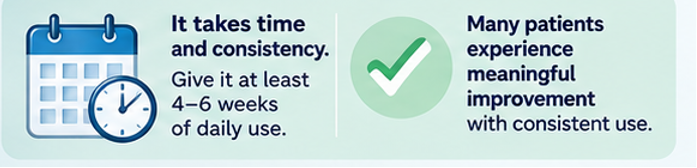
Some people notice improvement fairly quickly, while others may need several weeks of consistent use before seeing significant results. In general, I tell patients to give any remineralizing toothpaste at least a month before deciding whether it's working.
Like most things in dentistry, consistency matters.
Using the product regularly will give you the best chance of seeing improvement.
Which Hydroxyapatite Toothpaste Should You Choose?
There are a growing number of hydroxyapatite toothpastes on the market, and not all formulations are the same.
When evaluating products, look for formulations that contain a meaningful concentration of hydroxyapatite and are designed to effectively interact with the tooth surface.
One example is Ollie, which contains 10% nano-hydroxyapatite and is available in several flavors, including mint, cinnamon, strawberry, and orange. Ollie also offers a formulation that combines hydroxyapatite with fluoride for individuals who prefer both ingredients.
For readers interested in comparing hydroxyapatite toothpaste options, I've reviewed several formulations in my other guides.
At the end of the day, the best toothpaste is the one you'll use consistently and that supports your individual oral health goals.
The Bottom Line
If your sensitivity toothpaste isn't giving you the results you expected, it may be because it's only helping to quiet the nerve rather than addressing the source of the sensitivity.
Hydroxyapatite offers a different approach by helping support remineralization and blocking the microscopic pathways that contribute to sensitivity.
While it takes time to work, many people find it provides meaningful improvement when used consistently.
And if your sensitivity is severe, sudden, or isolated to one tooth, don't assume it's normal. That's a good reason to schedule a dental exam and make sure something more significant isn't going on.
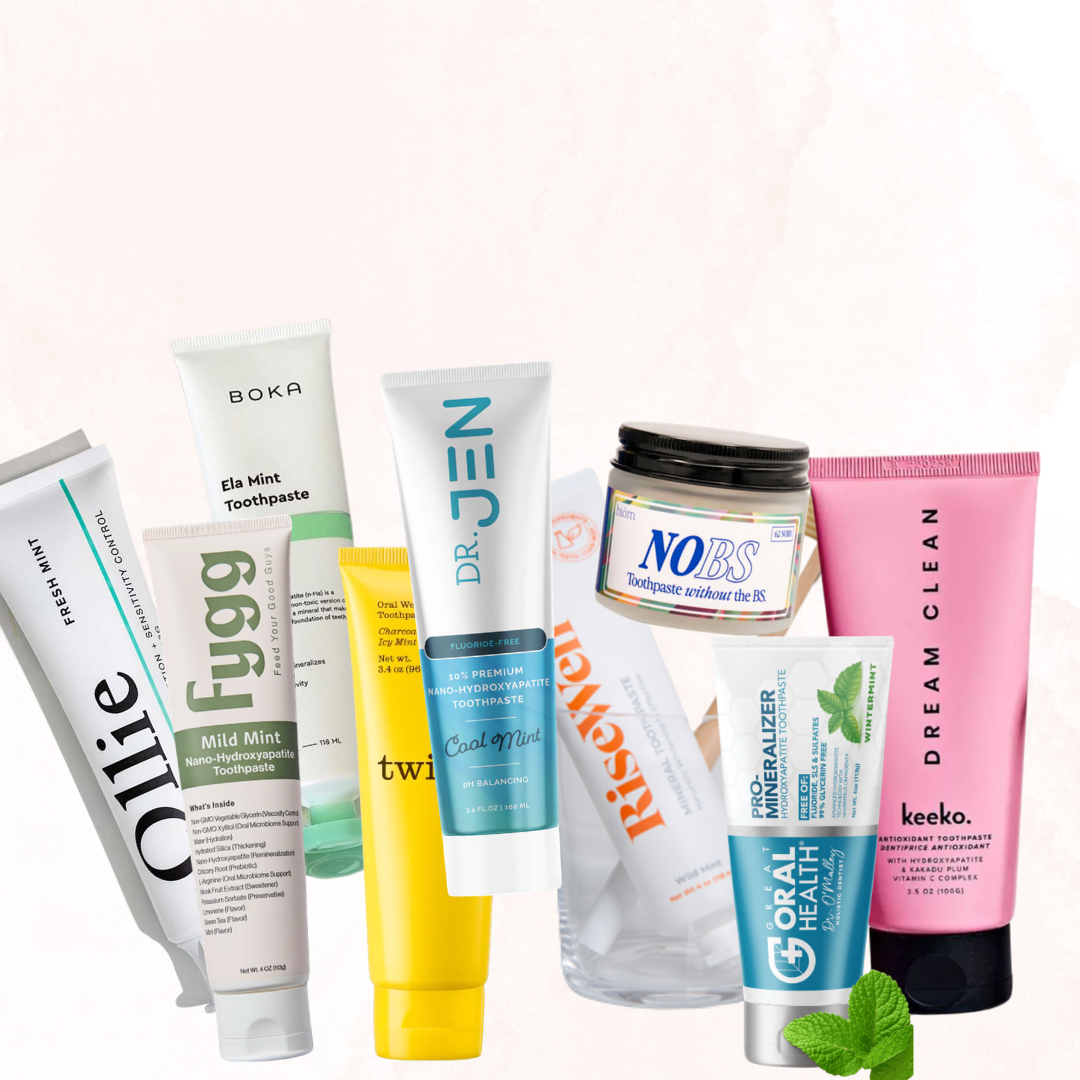
My Recommended Toothpastes with Hydroxyapatite
Everyone is looking for natural alternatives to everything these days, your toothpaste is no different. For many many years we’ve heard our dentists tell us about the importance and benefits of fluoride and why we need to ensure that it exists in all our dental products. I am one of those dentists that have long touted the use of fluoride. The benefits and importance of it still holds true. However, in our quest to find more natural options hydroxyapatite as a fluoride substitute has been getting a lot of attention lately.
There is a pretty distinct difference between fluoride and hydroxyapatite. Fluoride is a naturally found element and in toothpaste it works by building a stronger, more acid resistant tooth surface and thus help to prevent cavities. However, higher doses of fluoride are seen to be possibly unsafe and can weaken bones and ligaments. The amount you’re likely to use in your toothpaste, under 20mg, is safe.
[Updated: March 2026]
Everyone is looking for natural alternatives to everything these days, your toothpaste is no different. For many many years we’ve heard our dentists tell us about the importance and benefits of fluoride and why we need to ensure that it exists in all our dental products. I am one of those dentists that have long touted the use of fluoride. The benefits and importance of it still holds true. However, the rising interest in natural options has led to exploration into alternatives like hydroxyapatite. However, it's important to note that not all brands offering products with nano-hydroxyapatite (nHA) meet the recommended concentration of 10% for maximum effectiveness.
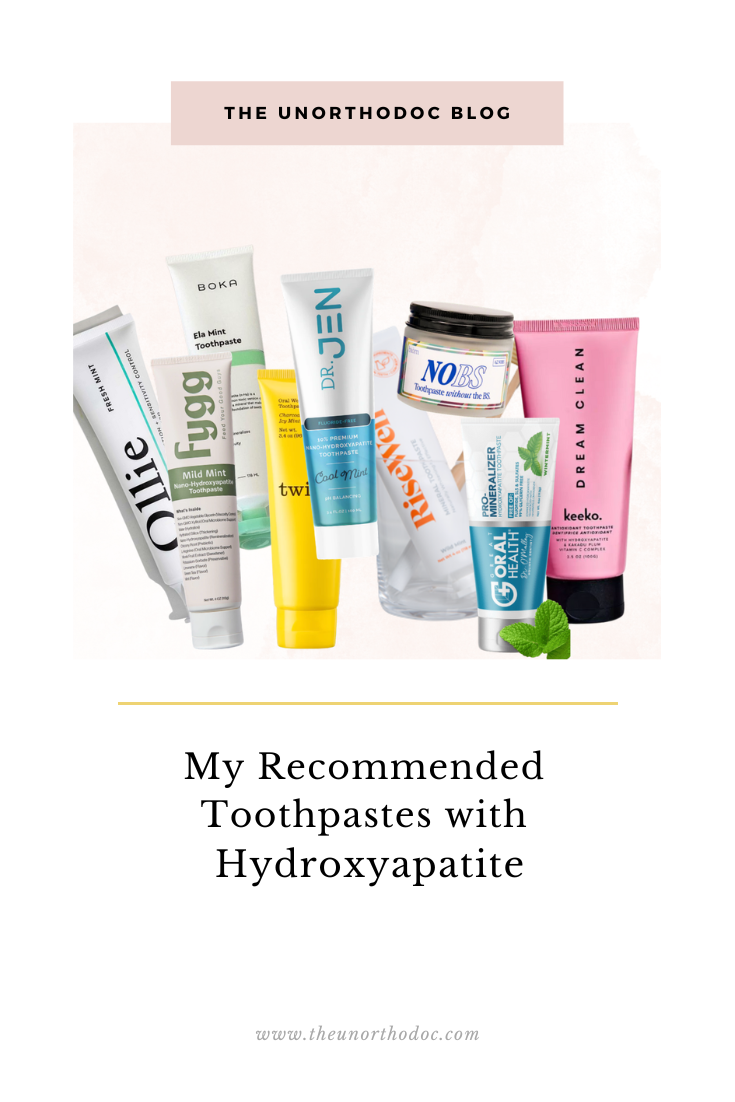
What’s the difference between fluoride & hydroxyapatite?
Fluoride, a naturally occurring element, works by fortifying tooth enamel, creating a stronger and more acid-resistant surface to help prevent cavities. However, excessive fluoride intake, particularly in higher doses, may pose risks such as weakening bones and ligaments. The amount typically found in toothpaste, under 20mg, is considered safe.
On the other hand, hydroxyapatite is a natural form of calcium that constitutes 97% of our tooth enamel, with the remaining 3% composed of collagen, water, and proteins. Recognized by our mouths as a familiar substance due to its similarity to our teeth, hydroxyapatite is absorbed by the teeth, filling in fissures and grooves caused by bacterial acids, thereby remineralizing teeth and preventing cavities.
While toothpastes containing fluoride are widely available, I'd like to introduce you to some of my favorite toothpastes featuring hydroxyapatite. However, it's essential to be aware that not all of these brands contain the recommended 10% concentration of hydroxyapatite for optimal effectiveness.
For other nanohydroxyapatite toothpastes that I love, see below:

OLLIE
This toothpaste is one of the first that I’ve encountered to combine the benefits of hydroxyapatite AND fluoride together. Ollie toothpaste has 2% hydroxyapatite, 0.24% fluoride (which is the over the counter standard) and xylitol to fight cavities in more ways than other toothpastes. Ollie also contains 5% potassium nitrate for sensitivity control, which also pairs well with whitening treatments, or just sucking down cold drinks. You will smile a bit more knowing that you are using one of the most effective toothpastes available and that 10% of profits go to providing oral care basics to those in need. Since most of us are buying toothpaste online now, we want to make it ridiculously easy. Subscriptions will get the right amount of paste to your door, on your schedule, and can be quickly adjusted with a few taps on your phone.
Paraben free
No artificial colors
No artificial sweeteners
Natural Ingredients:
Hydroxyapatite
Potassium Nitrate
Coconut Oil
Fluoride
If you are looking for a great fluoride free option, check out their Clean Mint Toothpaste, it contains 10% nano-hydroxyapatite - linked here.
Try Ollie with discount code: UNORTHODOC10 for 10% off.

DR. JEN NATURAL
Remineralizing Toothpaste with Nano-Hydroxyapatite Dr. Jen Natural offers a remineralizing toothpaste formulated with 10% nano-hydroxyapatite, providing comprehensive protection for tooth enamel. This toothpaste harnesses the natural remineralizing properties of nHA to strengthen enamel, reduce sensitivity, and promote overall oral health. With its fluoride-free and SLS-free formula, Dr. Jen Natural's toothpaste is suitable for individuals seeking a natural alternative for maintaining a healthy smile.

Their toothpaste is made with naturally-derived hydroxyapatite, a mineral that makes up 97% of our tooth enamel and 60% of your bones and has been proven to strengthen and protect your teeth without fluoride. Unlike many natural toothpastes, they didn’t just remove the toxic ingredients found in traditional toothpastes; they swapped in 100% safe and natural alternatives that clean and protect just as effectively. Risewell’s entire line of products have hydroxyapatite, including their floss!
Fluoride-Free
SLS & Sulfate Free
Paraben Free
No artificial colors, flavors or preservatives.
Natural Ingredients:
Hydroxyapatite
Silica & Calcium Carbonate
Xylitol
Try Risewell with discount code: UNORTHODOC10 for 10% off.

FYGG (Feed Your Good Guys)
Fygg's fluoride-free prebiotic toothpaste is formulated with oral microbiome nourishing ingredients, including L-arginine, xylitol, chicory root and nano-hydroxyapatite.
Developed by functional dentists Dr. Mark Burhenne (@askthedentist) and Dr. Staci Whitman (@doctorstaci) using the highest quality, cleanest ingredients available.
Formulated without oral microbiome disruptors:
Essential oil free
Emulsifier free
Detergent free
SLS free
Fluoride free
Flavors include: Mild Mint, Coconut Cream, Vanilla Vibes & Chocolate Swirl
Try FYGG and use discount code: UNORTHODOC for 15% off your order.

Great Oral Health
Great Oral Health’s nano-hydroxyapatite toothpaste was formulated and developed by holistic dentist, Dr. Paul O’Malley, with the vision and mission to fundamentally change the traditional approach to oral health. Their toothpaste provide significant sensitivity relief by fortifying and hardening the surface of your teeth through an advanced process of mineralization. It is fluoride free, as the hydroxyapatite does the same job, but better and naturally, than fluoride.
Vegan; Glycerin Free
Fluoride Free; SLS & Sulfate Free
Natural Ingredients:
Hydroxyapatite, Xylitol
Aloe Vera, Sea Salt
Sodium Bicarbonate
Calcium Carbnate
Try Great Oral Health Remineralizing Toothpaste with discount code: DRPATRICE10 for 10% off your order.

Boka pairs the best ingredients nature and modern science have to offer to heal your mouth and nourish your body. They use hydroxyapatite in their toothpaste and other natural products. What I love most is that for every Boka brush purchased they donate a toothbrush to their non-profit partner, Surge. They work hard to bring life-sustaining water to those in need. Together, they’re also providing oral health education to schools around the world.
Vegan & Cruelty Free
Fluoride-Free
SLS & Paraben Free
No artificial flavors & no endocrine disruptions
Natural Ingredients:
Hydroxyapatite
Potassium Chloride
Sorbitol Powder
Xylitol
Try Boka with discount code: unorthodoc for 20% off.

Formulated by a dentist, NOBS Toothpaste Tablets are fluoride-free toothpaste with nano hydroxyapatite, a substance that your teeth are naturally made of that is scientifically proven to be just as effective as fluoride with the same potential side effects. Unlike traditional fluoride toothpaste, hydroxyapatite toothpaste is safe for pregnant women and children. Further, NOBS are perfect for fighting hypersensitivity, preventing tooth decay, and remineralizing and strengthening your enamel. They come in three flavors: mint, grape, and vanilla. Plus, they're a great sustainable choice since they come in a glass jar instead of a plastic tube. In fact, they're one of the only zero waste hydroxyapatite toothpastes in the whole world. NOBS also has a kids line, NOBS Jr specially formulated for kids in Berry Bubblegum Blast flavor designed to make brushing an enjoyable and healthy experience for your children.
Fluoride-free; No plastic
TSA friendly ; Safe for children
Natural Ingredients:
Calcium Hydroxyapatite (Nanohydroxyapatite 5%)
Xylitol , Mentha Piperita L (Peppermint)
Microcrystalline Cellulose
Calcium Carbonate
Anionic Surfactant from Coconut Oil
Menthol , Zinc Citrate
Sodium Bicarbonate

They don’t rely on abrasive chemicals — instead, they turn to safe and effective ingredients that will care for your whole body, not just your teeth. They have every single ingredient they use in their products listed on their website. They recommend combining your daily Keeko fix with a healthy, balanced diet and physical movement to keep your mouth and body in its happy place.
No Parabens
No SLS
No Triclosan
No GMOs
No artificial flavors
No animal testing
Hydroxyapatite
Calcium Carbonate
Xylitol
Other natural products (see website)
Try Keeko with discount code: UNORTHODOC10 for 10% off.
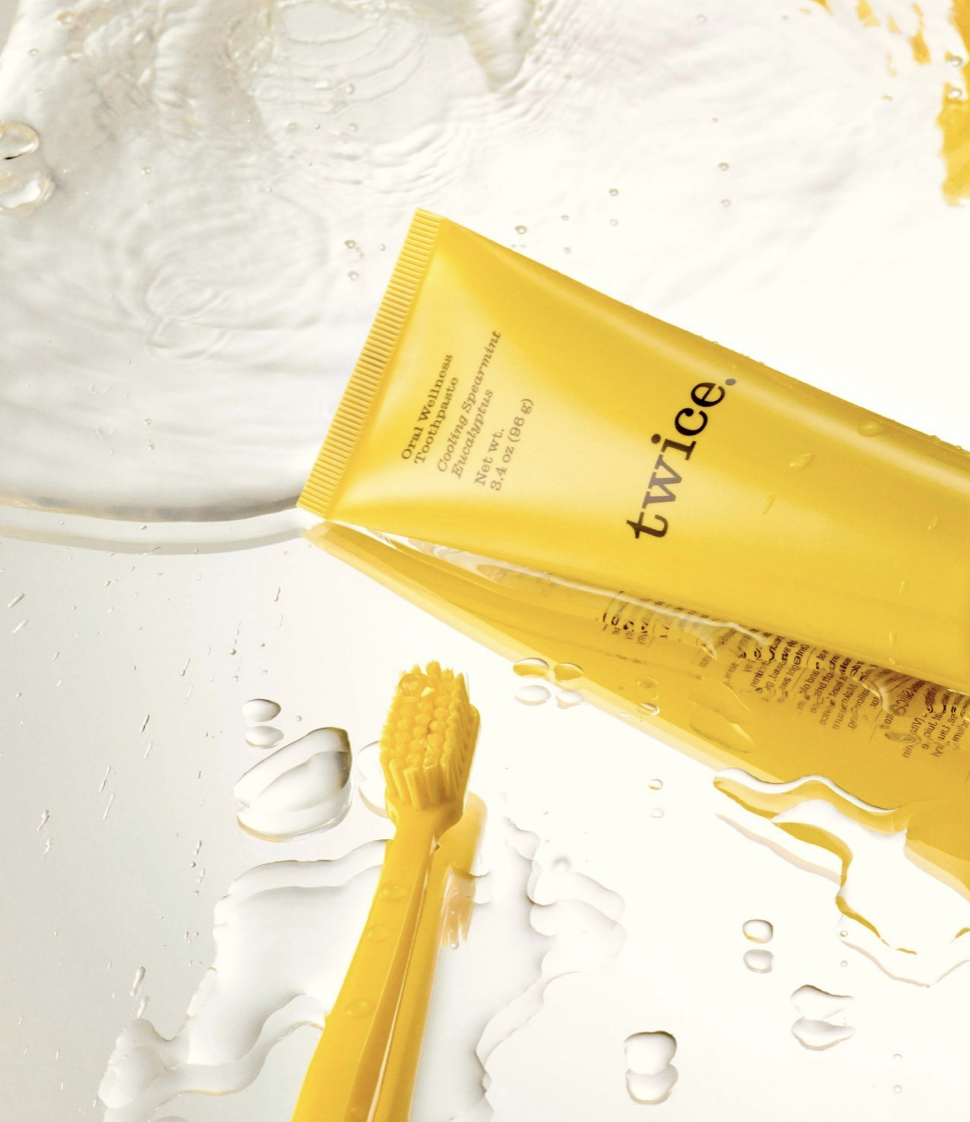
Twice products help elevate oral pH, balance bacteria, promote saliva production, soothe and strengthen gums, protect teeth from decay, cavities, and sensitivity, and work hard to promote a healthy homeostatic environment. It’s also the only toothpaste that I’ve found that contains both Hydroxyapatite and some fluoride.
Vegan & Cruelty Free
Sulfate & SLS Free
Gluten & Paraben Free
BPA Free
No Artificial Dyes
Recycle Read
Natural Ingredients:
Hydroxyapatite
Sodium Fluoride
Potassium Nitrate
Xylitol
Try Twice with a discount code: UNORTHODOC10 for 10% off.
Note: Updated in March 2026
I strive to provide you with the latest and most comprehensive information about toothpaste options featuring hydroxyapatite. In an ongoing commitment to offering valuable insights, I've added a new recommended toothpaste to this list, reflecting the evolving landscape of dental care products. As great products become more available on the market, I want to ensure you have access to the best options for your oral health needs. Thank you for trusting me as your source for dental care recommendations.



The Difference Between Fluoride & Hydroxyapatite
Choosing between fluoride and hydroxyapatite is like picking your favourite band-aid. They both pretty much do the same job except fluoride may have some underlying side effects whereas there have been none noted with hydroxyapatite use. We will see how or if this changes over time.
When harmful bacteria appear in the mouth, it creates an acidic environment, which can strip away healthy calcium and phospahtes on the surface of teeth. Fluoride is a naturally found element and in toothpaste it works by building a stronger, more acid resistant tooth surface. It does not cure tooth decay. Fluoride is not meant to be ingested. Higher doses of fluoride are seen to be possibly unsafe and can weaken bones and ligaments. The amount you’re likely to use in your toothpaste, under 20mg, is safe.
Hydroxyapatite – the new kid on the block.
Hydroxyapatite is a natural form of calcium that makes up 97% of our tooth enamel. The remaining 3% being made up of collagen, water and proteins. Our mouths recognise hydroxyapatite, seeing as it’s the same material as our teeth, it’s absorbed by the teeth and fills in the little fissures and grooves that acids from bacteria have made. It can insert into really small spaces, meaning remineralization can work from the root up. It is natural, with no known side effects.
Hydroxyapatite – natural, non-toxic, teeth whitener.
Hydroxyapatite keeps the oral microbiome in it’s natural state, it prevents bacteria from attaching to enamel as opposed to fluoride that kills bacteria. They work in very different ways. Unfortunately, fluoride kills the bad as well as the good bacteria. Hydroxyapatite strengthens tooth enamel, and there are no known negative side effects, and is safe enough for kids to use. It also has a positive side effect of whitening teeth, without the use of abrasive chemicals.

Fluoride in the water supply.
Fluoride causes a lot of debate and heated dinner table discussion, primarily because it was added into our water supply systems. This happened to help with the growing levels of tooth decay in the population. Interestingly, dental decay has only existed in it’s current form for about 200 years – exactly when our diets transformed into the global business that food is today (think processed foods).
Bad diet causes tooth decay.
Unfortunately adding fluoride to our water supply as a quick fix hasn’t really solved the issue of tooth decay. As a matter of fact tooth decay is considered by the CDC one of the country’s most prevalent diseases and has been dubbed the silent epidemic. This has nothing to do with whether or not there’s fluoride in the water, it all come down to our diet. Refined sugars and processed carbohydrates are at the heart of the problem. This diet results in the rapid increase of microbes which directly result in the destruction of our tooth surface.
Choosing between fluoride and hydroxyapatite is like picking your favourite band-aid. What causes tooth decay is a bad diet. They both pretty much do the same job except fluoride may have some underlying side effects whereas there have been none noted with hydroxyapatite use. We will see how or if this changes over time. The bottom line is, ensure your toothpaste and/or mouthwash has a cavity fighting agent that works - like fluoride or hydroxyapatite.
One of the most common complaints I hear from patients is, "My teeth are so sensitive."
Cold water hurts. Ice cream hurts. Sometimes even breathing in cold air can trigger that sharp, uncomfortable feeling.
Most people do what they're supposed to do: they buy a sensitivity toothpaste. But after months—or even years—of using it, many still struggle with sensitive teeth.