How To Set Short-Term Financial Goals for Yourself
Your lifestyle and risk tolerance with money is different from everyone else’s. How you approach your finances is entirely unique. Regardless of how you spend and save money, it’s helpful to establish short-term financial goals if you want to achieve financial security.
This is a guest post by Bash Sarmiento
Your lifestyle and risk tolerance with money is different from everyone else’s. How you approach your finances is entirely unique. Regardless of how you spend and save money, it’s helpful to establish short-term financial goals if you want to achieve financial security.
Without short-term financial goals, you have less guidance in handling your day-to-day finances. You may end up overspending and taking on debt, putting your long-term financial goals in stagnation. In a nutshell, short-term goals are the result after you break down your long-term financial goals, making them easier to achieve.
What are short-term financial goals?
Short-term financial goals are goals that you can achieve in a relatively short time frame. Ideally, a short-term goal can be achieved within three years. These goals can contribute to your progress towards long-term goals such as retirement and paying off a mortgage. Examples of the most common short-term financial goals are paying off credit card debt, saving for a vacation, and saving for an expensive gadget.
Follow the SMART criteria
Standing for specific, measurable, actionable, relevant, and time-bound, SMART is a criterion created to guide people in establishing goals and objectives. By following the SMART criteria, you can set clear goals that have specific steps towards their achievement and a definite indication of success.
For instance, a goal not following SMART will just say “save money”, not indicating what the money is being saved for and how much should be saved at a given time. On the other hand, a SMART goal will say “Save $50 USD per month to afford a week-long vacation next year”.

Short-term financial goals for everyone
How you set short-term financial goals should center on following the SMART criteria. The following are examples of SMART goals that everyone can set for themselves.
Start saving for an emergency fund
Nobody wants disasters and tragedies, but life is unpredictable and the only thing we can control is how prepared we are. This is why everybody needs a safety net, a pool of money you can take from in times of emergency. Building an emergency fund should be at the top of your short-term financial goals.
Your emergency fund's size depends on your income and risk tolerance. The more you earn, the bigger your emergency funds should be. The general rule in building an emergency fund is “out of sight and out of mind”, meaning you should automate depositing into it and only access it during emergencies.
Track your spending
It’s hard to set short-term financial goals if you don’t know how much exactly are you spending in a given time. Having no sense of your spending habits is synonymous to being cavalier with your finances. You will be prone to overspending and it will be a lot harder to save money.
To start tracking your spending, you can choose from the best budgeting apps available today. Most of these applications link together all your accounts and place your credit and debit card transactions under budgeting categories. On the other hand, you can track your spending manually by gathering receipts and billing statements and organizing them in an electronic spreadsheet or on paper.
Once you’ve got a good grasp of your spending, you can set a realistic budget that can help you make better spending decisions. It can be a weekly or monthly budget, just make sure you aren’t setting it too low or too high.
Improve your financial literacy
Among the biggest roadblocks to financial wellness is the lack of financial literacy. Many people get overwhelmed by financial jargon they don’t understand so they fail to take control of their finances. By improving your financial literacy, you will gain the competence and confidence to manage, save, and invest your money. Financial literacy enables you to implement strategies such as taking personal loans to save money or open opportunities like investing in bitcoin and other cryptocurrencies.
There is no shortage of resources for improving your financial literacy. You can subscribe to financial newsletters, listen to podcasts, read finance books, or hire a financial expert. Whichever you prefer will work if you open yourself up to learning.
Reduce spending
Once you’ve tracked your spending and become financially literate, you will better understand your expenses and determine which ones are unnecessary. Reducing your spending is a great way to make ends meet and help increase how much you can save every month. In times of inflation, furlough, job loss, or other setbacks, it will be critical to prioritize your spending in order to keep expenses to a minimum.
Pay off debts one at a time
Among most people’s long-term financial goals is to be debt-free, and the best way of achieving that is to pay off debts one at a time. If you have multiple debts, focus on paying one before moving on to the other. You can approach paying off debt in two ways:
Snowball Method, in which you pay off smaller debts first so you can see your progress.
The Avalance Method, in which you prioritize debts with higher interest rates so you can avoid paying compounding interest and save money.
Conclusion
Short-term financial goals are the building blocks of your long-term financial goals, and by extension, your long-term life goals. You’ll have no trouble finding financial advice on the internet and once you’re financially literate, you’ll be mostly fine on your own. However, what your short-term financial goals should be will depend on your circumstances and priorities. Always remember that how you handle your finances is unique and you shouldn’t go out of your way to imitate others.

Meet Bash Sarmiento
Bash Sarmiento is a writer and an educator from Manila. He writes laconic pieces in the education, lifestyle and health realms. His academic background and extensive experience in teaching, textbook evaluation, business management and traveling are translated in his works.
Find him on Instagram and LinkedIn











Establishing Your Own Practice: My Interview with Canvas Rebel Magazine
Recently I had the opportunity to sit with Canvas Rebel Magazine for an interview as part of their “Establishing Your Own Firm or Practice series.” This series is meant to highlight business owners and there journey of opening their practices, to speak on the inspiration behind it, the wins, woes and everything in-between.
Recently I had the opportunity to sit with Canvas Rebel Magazine for an interview as part of their “Establishing Your Own Firm or Practice series.” This series is meant to highlight business owners and there journey of opening their practices, to speak on the inspiration behind it, the wins, woes and everything in-between.
I have written about my practice journey here on the blog and was honored to be able to share my experience on a wider platform. Here is a snippet of my interview:

We caught up with the brilliant and insightful Patrice Smith a few weeks ago and have shared our conversation below.
Patrice , appreciate you joining us today. Setting up an independent practice is a daunting endeavor. Can you talk to us about what it was like for you – what were some of the main steps, challenges, etc.
Ever since the thought of becoming a dentist crossed my mind as a teenager, I envisioned having a practice of my own. The thought of working for someone conflicted with my desires because many people close to me worked for themselves. I can recall my parents owning supermarkets, my dad running multiple businesses and even being privy to practice ownership through my high school mentors. Those formative years led me to this moment. A few years post-residency, armed with a variety of experience in the field of dentistry, my dream of opening my own dental practice would soon take shape.
There are many confusing and overwhelming factors involved in opening your own dental (orthodontics) office. When deciding on opening a dental practice, you must first decide whether you want to start your own dental practice from scratch (build out) or if you want to purchase an existing practice (acquisition). My knowledge of acquiring a practice was limited but with the help of a small team of professionals the process was made much easier.
The decision to go the acquisition route was based on my personal needs and priorities. This will look different for everyone. Although I was not opposed to the idea of a practice start up, I wanted to get into a practice with an existing patient base but also one that allowed me to grow into it. Because of this criteria, finding a practice was not easy. It took months of research and once the “ideal” practice was found, several months of negotiations.
Sources from the internet will tell you that it takes on average 9-12 months from the start of your acquisition search to opening your business. It took me about half that time (including down time due to COVID), mainly due to the buyer and seller’s eagerness to come to an agreement fairly quickly.
I actually wrote about my process in this blog post
Great, appreciate you sharing that with us. Before we ask you to share more of your insights, can you take a moment to introduce yourself and how you got to where you are today to our readers
I’m Dr. Patrice Smith, an Orthodontist who is multi-passionate. I pride myself on being a bit “UnORTHOdox” and have dubbed myself The UnOrthoDoc.
I was born and raised in beautiful Jamaica! I moved to New York City where I completed my undergraduate studies and was later accepted into Dental School in the nation’s capital (Washington, DC) where I received my Doctor of Dental Surgery (DDS) degree from Howard University. I am obsessed with esthetics, perfectly aligned teeth and beautiful smiles and as such pursued a career in Orthodontics. I am a practicing Orthodontist in Washington, DC where I create beautiful smiles in my boutique private practice, Infinity Orthodontics.
I enjoy writing and have had several blogs where I share my experiences as I go through life balancing all aspects of my professional career, entrepreneurship, creative side hustles and motherhood. When I am not creating smiles and meddling in a host of entrepreneurial endeavors, I’m blogging, traveling, participating in various philanthropic projects and creating divinely scented candles for my candle company, UnOrthoDoc Candle Co.
My aim is to inspire young professionals like myself lead a balanced, purpose filled “UnOrthoDoc” lifestyle while on the path to personal, professional and financial development.


7 Strategies To Pay Off Student Loans
Tackling your student loans may seem like a mammoth task. Coupled with the feeling of shame many of us feel around our debt, it’s easy to feel hopeless. But that doesn’t mean nothing can be done! Here are a few strategies you can do to pay off your student loans. Go ahead, test out a few of these strategies, and pick one that works best for you. You can also modify these strategies to make a customized plan that you can stick to.
This is guest post by Bash Sarmiento
Tackling your student loans may seem like a mammoth task. Coupled with the feeling of shame many of us feel around our debt, it’s easy to feel hopeless. But that doesn’t mean nothing can be done!
Don’t beat yourself up for taking up student loans. You had your reasons, and whatever those reasons may be, you shouldn’t feel ashamed.
In 2021, 15% of all American adults still had outstanding undergraduate student loan debt, and 7% with outstanding postgraduate student loans. That’s around 38.75 million and 18 million Americans, respectively! And there’s the hope of paying the loans off because 24% or nearly 62 million adult Americans have paid off their student loans.
It won’t be easy, but it can be done.
Here are a few strategies you can do to pay off your student loans. Go ahead, test out a few of these strategies, and pick one that works best for you. You can also modify these strategies to make a customized plan that you can stick to.

Stay Updated and Educated
Before everything else, go ahead and update all your contact information on your StudentAid.gov profile and your lender’s website. This ensures you don’t accidentally miss any important announcements or information regarding your payments. Reacquaint or re-educate yourself with your loan’s terms, grace periods, and total debt. A student loan calculator can help you better visualize your payment timeline and determine how to best move forward.
1. Debt Avalanche
This strategy requires you to focus on your highest-interest debt first. You also get to pay the least overall in the end by reducing the amount you pay towards interest. You do this by paying as much as you can afford towards your loan with the highest interest rate. Of course, don’t forget about your other debts and make the minimum monthly payments on those as well.
Once you’ve paid off your highest-interest debt, move on to the second-highest interest rate debt. Continue making those minimum payments on your other debts. Continue this process until you’ve worked your way from the loan with the highest interest to the lowest.
The trick here is to pay as much as you can afford and pay more than the minimum payment for the primary loan you’re paying off.
Do note that if you make extra payments, be sure to advise your servicer to apply the overpayments to your current balance and not to next month’s payment. This ensures that you’re paying off your loan quicker and not just paying the next month’s bill in advance, defeating the purpose of paying above the minimum monthly payment.
2. Debt Snowball
If you’re overwhelmed by the big numbers and want to ease into the payment momentum, the debt snowball strategy will work well for you.
You focus on your smallest debt first. Similar to the debt avalanche strategy, pay as much as you can afford toward your lowest student loan debt. Go ahead and pay the minimum monthly payments on your other debts. After you’ve paid off your lowest debt, move on to the next-lowest debt while continuing to pay the minimum payments on your other debts.
Focusing on the smaller loans first makes you feel gratification quicker, which can motivate you to continue your payoff journey. The downside is that you do end up paying more in total debt due to the interest fees.
3. Focusing on Accrued Interest First
If you’ve had your student loans for a while and maybe have foregone strategic payment for a bit, you may notice a big chunk of your current payments go towards paying those accrued interests.
Some of these accrued interests can grow VERY big if left unchecked. Somtimes so much so that even if you pay more than your minimum monthly payments, a significant portion of it will end up paying those interest fees and not your actual loan.
By paying off the accrued interest immediately and consistently, you’ll be able to have a better handle on your debt and your payment strategy.
4. Look for repayment assistance programs
If you work for a company, consult your company’s HR and see if they offer student loan repayment assistance or benefits. You can also check your alma mater’s income-based benefit programs and forgiveness programs for alums. Go ahead and check your town, city, or state’s local programs as well.
5. Using cash-back cards for payments
Check with your servicer if you can pay with credit cards or even prepaid debit cards. Some of these bank cards offer incentives like cash back which you can use to your advantage.
On top of making extra payments towards your debt, you can earn cash back from using your card. The money you receive from the cashback incentive can go directly to your student loans, helping you pay them off even faster and with some savings to spare!
Staying on top of your card payments and avoiding overdraft fees is crucial. Carrying a balance will simply negate any savings or benefits you’ve created.
6. Refinancing your private student loans
Refinancing your student loans is one way to pay off student loans fast. You ideally lower your total interest rate by consolidating all your student loans to a single private loan. This only works if you choose a new loan with a better rate and payment term than what’s left of your current loans. You’re refinancing to make paying off your loans more manageable, not to make it harder for yourself.
7. Increase your income
One of the most effective ways to pay off your student loans quicker is by increasing your income to allocate more towards loan payments. You can create a side business or find other ways to make money online.
No “extra dollar” is too small to go towards your debt payments.
In fact, you can also treat any extra money that comes your way as money that can go towards your loans. This includes any bonuses, pay raises, gifts, or tax refunds. You can set aside a bit of the “extra” money for yourself, of course, so you don’t feel deprived of some well-deserved joys. But keep in mind that every dollar counts.
Everyone’s debt journey looks different, but one thing’s clear: staying consistent is important. Soon, you’ll be free from the shackles of student loans, and you’ll be financially independent!

Meet Bash Sarmiento
Bash Sarmiento is a writer and an educator from Manila. He writes laconic pieces in the education, lifestyle and health realms. His academic background and extensive experience in teaching, textbook evaluation, business management and traveling are translated in his works.
Find him on Instagram and LinkedIn




Step-by-Step Guide on How To Start a Blog in 2023
If you’ve thought about how to start a blog but not quite sure how, you’ve come to the right place. As a blogger myself, I can tell you it’s a rewarding way to hone your writing skills, explore new ideas, build an online presence and a community that revolves around your passions and expertise. You’ll get the chance to inspire, educate, and entertain your readers - and as your blog grows, you can even start making money and turn it into a full-time job, if that’s what you desire. In this step-by-step guide, you’ll find all the guidance and tools you’ll need to start a blog.
It seems obvious now looking back that I should write about how to start a blog, especially considering that I write quite a bit on creating lucrative side hustles. However, it wasn’t until I received several questions from my colleagues on Instagram and was interviewed by LinkedIn News on starting a successful blog that I realized that this was something I needed to cover.
I' have noticed that people tend to have two general questions when it comes to the thought of starting a blog: 1. Are blog dead and do people even read them anymore? 2. I want to have a blog but how do I even start? To succinctly answer your first question, no blogging is alive and well and there are plenty people making quite a bit of money from them or using them as creative outlets and a place for community. If you want answers to the second question, you’ve come to the right place. As a blogger myself, I can tell you it’s a rewarding way to hone your writing skills, explore new ideas, build an online presence and a community that revolves around your passions and expertise. You’ll get the chance to inspire, educate, and entertain your readers - and as your blog grows, you can even start making money and turn it into a full-time job, if that’s what you desire.
In other words, blogging is the first step toward pursuing your favorite hobby or even your dream job, so it’s a win and you really can’t go wrong. While starting a blog might seem daunting, I’m going to walk you through it step-by-step to make it as smooth as possible. The process is actually quite easy, and you’ll have your blog up and running in a very short time.
In this step-by-step guide, you’ll find all the guidance and tools you’ll need to start a blog. You’ll learn how to create your website and get it off the ground, write your first blog posts, draw in loyal readers and start making money! Sounds exciting? Let’s get into it.
How to start a Blog
Here are the general steps:
Choose a blogging platform. You want to use a platform that offers customizable templates.
Pick a hosting platform. Consider a platform with good bandwidth and customer support.
Find your niche. Narrow down your blog’s theme and have a specific audience in mind.
Select a blog name and domain. Choose a descriptive name that piques readers’ interests.
Set up and design your blog. Get creative! Include imagery and effects that reflect your theme.
Brainstorm blog topics. Write down all your blog ideas.
Write your first blog posts. Catch your audience’s attention with a great title and offer valuable information.
Create an editorial calendar. Create a calendar to help you publish consistently and hold yourself accountable.
Promote your blog. Use marketing strategies and social media to expand your reach.
Make money blogging. Take advantage of opportunities to monetize your blog.
What is a Blog?
While a blog can encompass an entire website or simply be its own section of a website, this is a place to share content about a topic you are passionate about or have expertise in. A blog will typically include both written and visual elements published in an easy-to-read, article format so readers can browse and find what they’re looking for.
Why start a Blog?
People start blogs for a variety of reasons, some of which include:
Share your ideas with the world. Sometimes you just want to put your thoughts out there, be heard and get your ideas out into the universe. This is where a blog can help - it’s a form of communication and space that’s entirely your own. You can use your creativity and passion to create a space customized exactly to your liking where you can share your ideas, expertise and experiences.
Build an online community. Thanks to the internet, we no longer need to live in the same city, state or even country to be connected to others. A blog creates a space to share your story, ideas and start conversations with people all over the world with mutual interests. A blog typically has a comments section and an email list where your readers can speak with you directly, allowing you to engage in conversation and build relationships.
Earn revenue. Blogging can be lucrative with time and continued effort. The best way to see the monetary fruits of your labor is by posting quality content regularly that draws in new readers and brings more traffic to your website. This will help your blog gain advertisers and can also boost your status as an online influencer, which can open up the door for affiliate marketing.
Promote a product or service. As your blog grows you can build out your blog to offer products and services to your community based on their need or interests. Small business owners will also often use a blog as a form of content marketing. Written content can be a strategic way to engage potential customers to help them feel more connected to a product or service you’re trying to sell.

1. Choose a blogging platform
The first step in starting a blog is to select a blogging platform for publishing your content. A quick Google search will show you that there are several different sites available that fits bloggers from all industries. However, not all platforms are good for starting a blog. You need to choose the one that is good for SEO and will give you all the important features you need. Personally, I use squarespace. Squarespace is a really good platform for blogging. It’s very user-friendly and has all the important features that you will need to create a successful blog. In addition to that, Squarespace is also good for SEO and it helps your site to appear on search engines. There are other well known platforms however, like Wordpress (very popular), wix, weebly and medium, to name a few. When deciding on a platform it’s important that you pay attention to cost. On many platforms, starting a blog is completely free. You can decide at any point whether you’d like to upgrade to a variety of different plans, depending on your budget and needs. Squarespace is a bit on the pricey side in comparison to some others but I am willing to pay for the ability to have everything in one place without needing to use add-ons and plug-ins. if you are going the squarespace route, the code: GIMME10 takes 10% off a squarespace domain or website. It is also a good idea to search for promo/coupon codes online when purchasing your website or doman. Why spend more if you don’t have to?
2. Pick a hosting platform
Once you select your preferred blogging platform, you’ll need to choose a hosting platform. A blog, like any other website requires a host. This essentially stores websites on a server under a unique address so that visitors can easily reach them. On some blogging platforms (like squarespace), hosting is already included, so you won’t need to find a separate web host. This is another reason why I love squarespace! With other website builders, such as WordPress, you will need to find and pay for a separate hosting platform. Some popular options include:
BlueHost
HostGator
GoDaddy
DreamHost
3. Find the right niche
Take a step back and think about the main element that will form the foundation of your blog, from its URL and domain name to its content and design: your blog’s niche. What, exactly, do you want your blog to be about? There is virtually no limit when it comes to your choice of subjects. The most crucial thing is that you select a specific topic area that will be the central focus of your entire blog.
Narrow down your interests
When you start a blog, think long term. To motivate yourself to blog regularly, you’ll need to write about something you’re genuinely interested in. If you choose a topic solely on the basis of it being popular or profitable, your efforts will peter out pretty quickly.
If you aren’t sure right off the bat what you should be blogging about, that’s okay. Begin with a simple brainstorming session about subjects you like. What do you get excited talking about? What are you eager to learn more about? What can you talk about easily? For me, that is personal, professional and financial development. Under those umbrellas I choose to speak on career, entrepreneurship, side hustles and motherhood.
Write down the first 5-10 interests that come to mind. For example:
Travel
Photography
Fashion
Cooking
Music
Next, think about your more specific interests within these subject areas and add them to your list. Example:
Budget traveling
Photography with iphone
Budget fashion
Vegan recipes
Neo soul music
The niche does to have to be perfect yet. You’ll do some more research next.
Research your audience
The next step of starting a blog is to learn which topics people are interested in reading about. If your blog gains traction, you can eventually start making money from it and become a full-time blogger.
You can determine the demand for any given niche with a bit of market research. Begin by taking a look at Google Trends, which shows you how many people are searching for a particular topic. The more searches a topic gets, the more public demand it has. Give it whirl, type your niche in and see what comes up. If Google Trends reveals that interest in a subject area is either very low or declining, then that topic is unlikely to gain traction.
Check if it’s profitable
Whether you run a personal blog or a professional one, it’s a good idea to check whether your niche is profitable. Even if you’re starting out as a hobby blogger, you’ll want to think about future monetization options in the event that your blogging efforts evolve into a career.
There are multiple ways to earn money as a blogger, but one of the most common methods is affiliate marketing. As an affiliate, you’ll work together with a specific company, providing a link to their products within your blog, and earn a commission for any sale made through your site.
You don’t need to plan out your money-making strategy now, but thinking generally about profitable opportunities can help you choose a niche. For now, focus on starting your blog - we’ll talk more about making money blogging later in the article.
4. Select a blog name and domain
As you think about how to start a blog, the question of what to name it is probably on your mind. There are three main routes you can go with your blog's name. These include:
Your first and last name
The name of your business (if you have one)
A creative new name
Obviously, I went with that latter and it is also the name of my business. I created the business after the decision to turn my blog into a business. When choosing your blog’s name, you should also think about the personality you want it to reflect. Should it be formal and professional? Sweet and romantic? Edgy and offbeat? If you’re not sure what to name your blog you can try using blog name generators like this one.
Once you decide, you should also go ahead and choose your domain name. Also referred to as a URL, a domain is a site’s address on the web (this website’s domain name, for example, is www.theunorthodoc.com). Typically, your domain name will be the same as, or at least influenced by, the name of your blog.
5. Set up and design your blog
Choose a blog template
Decide which pages to include
Get indexed on search engines
Create a blog logo
At this point, you’ve chosen a blogging and hosting platform, domain name and blog niche. You’re now equipped with all the basics for setting up your blog!
Choose a blog template
The first part of setup is selecting a template. On your platform, there will be quite a bit of templates to choose from. Like your blog’s name, its look and feel will be an important part of its personality.
The most efficient way to get your blog up and running is to choose a pre-designed blog template. Afterwards, you can customize it based on your preferences. I chose a template from squarespace and then hired a designer from upwork to do a bit of customization for me to make it exactly how I wanted it to look and feel.
Next you want to choose your color palette. Color psychology plays a huge role in forming your audience’s impression of your blog. As you choose a color palette, keep in mind the feelings and attitudes that different colors evoke. Blue, for instance, tends to evoke dependability and trust, while yellow evokes energy and joy. My blog color has soft pink and nude colors which invokes femininity, kindness, warmth and versatility - and attracts a female audience.
Decide which pages to include
Once you’ve chosen a template, think about which pages to include. Most blogs include more than just a section to display their posts. They might also include an about section, a contact page and online store.
Get indexed on search engines
Another part of starting a blog is making sure it’s visible on Google and other search engines. This is crucial if you want your content to pop up in search results, so you’ll want to take care of this step right away. First, make sure your site is indexed on Google. This pretty much means giving Google a heads up that your blog exists. You can do this by submitting your sitemap to Google Search Console.
Pro tip: Google Search Console is not only important for indexing your site, but it’s also a valuable platform that you’ll be using throughout your blogging journey. It tells you important data about your blog’s site visitors and clicks, which you can use to improve your content. To find out whether your site is already included in Google’s search index, do a quick site search (a site search uses your homepage URL and takes the form of site:yourblogname.com). If your blog pops up in the search results, then your site is already indexed.
Create a blog logo
Finally, polish off your site with an attractive logo. This is another way to add personality to your site, and it’s an essential step if you want to start a blog that evolves into a recognizable brand.
One option is to design your own or outsource the task, but you can also use an online logo maker. I have personally outsourced this to a freelancer on fiverr. Once you have your logo, place it in the upper left-hand corner of your website, and link it to your homepage. This will help brand your content while improving the navigation experience for readers.
6. Brainstorm blog topics
Your blog is now ready to go but you need content. Start thinking about which topics you’ll get started with. Begin by thinking about your experiences, successes, failures or discoveries related to your niche. What insights can you share? What ideas are you looking to explore in-depth?
7. Write your first blog post
Start with keyword research
Come up with a blog post title
Outline your main points
Write engaging content
Insert images
Optimize for SEO
Edit and publish
8. Create an editorial calendar
Whew! You’ve just written your first blog post. Take a break, and when you’re ready, plan out the rest of the month’s posting schedule. In my opinion, try to write 5-10 blog posts before you officially launch your blog. This will ensure your readers are taken on a journey and stay on your blog longer. Creating an editorial calendar is an important part of starting a blog. It’s an effective way to ensure you publish content consistently, letting you hold yourself accountable as a writer and ensuring you don’t deviate from your blogging goals. Your readers want new content, and you need to deliver. Plus, search engines take into account how frequently you publish when determining your site’s overall ranking.
How often should you blog?
When learning how to start a blog, a big question people ask is how often they should be publishing new content. As a rule of thumb, the more often you blog, the more traffic you get. There’s no black-or-white answer for exactly how frequently that is. For me, this is once per week consistently.
I’ve created an editorial calender/planner for myself that has kept my blog, social media and businesses organized. It is 159 pages and the most comprehensive planner you will find on the internet.
9. Promote your blog
Share on social media
Create a blog newsletter
Write for other sites
Reach out to an existing community
Participate in question and discussion sites
Invest in paid ads
Try new content formats
At this stage, you have everything you need to start a blog. These last couple of steps will focus on how to spread the word about your blog and grow it into a serious monetization tool.
10. Make money blogging
Affiliate marketing
Advertise within your blog
Offer paid subscriptions
Write sponsored content
Sell e-books and merchandise
Provide consulting services
This may not happen for a while as you need to build an audience first. But in time you may want to make money from your blog’s popularity. Here’s a run down of some of the options:
Affiliate marketing: This is one of the most common ways to make money blogging, and it’s easy to get started. Intermediate affiliates can earn anywhere between $300-$3000 per day, and that number only goes up with experience. At this stage I am making about $2000/month consistently. Some months it is higher or slightly lower. There are plenty of affiliate marketing programs out there. Amazon Associates is a popular choice for beginners.
Advertising within your blog: Another option is to display ads within your blog, which means you’re essentially selling your blog real estate as ad space. This is a fairly reliable way to make money, as you’ll be earning revenue with each click. If you’re thinking of taking this route, Google AdSense is one of the most lucrative and popular programs.
Offering paid subscriptions: You know how the New York Times makes you pay to read their content? You can do the same thing with your blog. While some of your articles should be free, you can also create exclusive content that readers can buy access to through a subscription plan.
Write sponsored content: Reach out to companies - or, as your blog grows, make it easy for brands to contact you - regarding sponsorship opportunities. You’ll be writing articles that promote those companies’ products, and the business, in turn, will compensate you for the posts.
Sell e-books and merchandise: You can also sell digital or physical goods directly from your site. This might include branded merchandise, products related to your field, or e-books and other online resources.
Provide consulting services: This approach involves making use of your professional experience and harnessing the knowledge you’ve gained as a professional blogger. Based on your insights and expertise, think about the kinds of consulting services you might be able to offer to your clients.
I have used a mixture of affiliated links, sponsored content, e-books and merchandise. Although it took me quite some time to get there,I have gotten to the point where I am making approximately $10,000 per month from my blog. Some months the income is a bit less and other times a bit more.
It might seem daunting, but the sooner you start the sooner you will realize that it is easier than you thought. You will be wondering why you hadn’t done this sooner. Put one foot in front of the other, follow these steps and you are well on your way to becoming a successful blogger. Join my email list to get more insights on how to have a successful blog and other side hustles.





Starting a Successful Blog: My Feature in LinkedIn News
Recently I was chosen and interviewed as an expert by LinkedIn News for an article they were working on for tips on starting a successful blog. This was such an honor because while I think of myself as an expert in the field of Orthodontics, I hadn’t quite given myself that title when it came to blogging, until now.
Recently I was chosen and interviewed as an expert by LinkedIn News for an article they were working on for tips on starting a successful blog. This was such an honor because while I think of myself as an expert in the field of Orthodontics, I hadn’t quite given myself that title when it came to blogging, until now.
If you ever had the thought of starting a blog but it felt daunting, this article will shed some light on how doable it is. Anyone can start a blog, but a successful one takes a lot of time and effort. Here is an excerpt from the article.

Creating a blog can be the beginning of building your brand or a way to attract a larger audience to your business and expand it. You can also monetize your blog, providing an additional stream of income for your business or yourself.
But it is important to remember that building a successful blog takes time and effort. This is why, before building a blog, you should choose a topic you enjoy with room to grow.
Identifying your niche is critical, orthodontist and The UnOrthoDoc blogger Dr. Patrice Smith said.
“It has to be something that you have a little bit of expertise in,” Smith said. “It has to be something you are interested in, otherwise you are not going to blog consistently. Once you figure all that out, narrow down your niche and then narrow it down some more, because there are a million blogs out there.
“Once you figure that out, write your first 10 blog posts. You can put them in word documents. and then as soon as you have your blog set up, publish all 10 so that it looks like your blog is established.
“You don't want to drive traffic to your blog with just one or two blog posts. You want to take readers on the journey.”
I chatted with Charles and Dr. Smith for more about how to start a successful blog.
How to Start Building Your Blog
Choose a template, blogging platform, and hosting site for your blog after you decide on your niche.
“There are many platforms out there,” Smith said. “I use Squarespace, but one of the most popular ones is WordPress and there are other sites like WiX, Weebly, and some even blog on Medium.”
Select a hosting site after you select your blogging platform. Hosting costs generally range from $5-$25 a month, according to “Age of Influence” author Neil Schaffer.
“Some platforms already come with a hosting platform built-in,” Dr. Smith said. “I know WIX does not, but Squarespace does. For some WordPress users, some popular options include Bluehost or GoDaddy or DreamHost, but for Squarespace, mine was built-in. That is another reason why I chose Squarespace.”
Meanwhile, Charles first launched her blog with a template she found on WIX. Once her business grew, she upgraded, worked with a website designer, and they moved her blog to Squarespace.
“Start off with [a platform] that is relatable and you feel comfortable with, but then as your business grows, it is OK to invest in yourself and tap into somebody who specializes in that work,” Charles said. “I don't think the investment needs to come immediately because the problem is if [you invest] immediately there will be pressure to work to pay off your investment.
“You don't know if people are going to be as interested in your material as you think it is because micro-blogging, i.e. Instagram is free.”
Also, consider aesthetics when choosing your blog template.
“Aesthetic is an important factor,” Charles said. “People want to click and look at what they enjoy versus if it is ugly, why would they spend their time there? I don't think you have to have the most beautiful [blog], but I think you have to give some effort.”
Keep SEO (Search Engine Optimization) in mind, too, as you build your blog. If you don’t know much about SEO, consider taking a LinkedIn Learning course, watching YouTube expert videos or searching online for the info.
“I Googled everything pertaining to SEO even down to the title of your blog post that could be optimized to reach your target audience,” Smith said. “You can utilize keywords. So, you want to do a lot of research before you choose a blog topic because it has to be something that will be picked up by keywords.
“For example, if somebody Googles ‘How to start a blog’ you want to have those keywords in your title. Somebody might Google how to start a blog in 2023, and if your blog title isn’t optimized for that search, then you are not going to be the one that is reached.”
Top Takeaways on How to Start a Successful Blog:
Choose a niche you are passionate about.
Select a blogging platform and hosting site that is easy to use and inexpensive.
Incorporate SEO into your blog posts and use social media platforms to build your audience.
Monetize your blog with affiliate links, digital products, and ads.


Start Making Money Online Full-Time or Part-Time in 4 Actionable Steps
The search for new and flexible ways to make a living begins differently for everyone. Perhaps you are out of work, looking to make some money on the side, or simply feel the need for a career change. The modern work climate empowers people from any background to work remotely online in almost any field of choice.
This is a guest post by Marjorie Jones
The search for new and flexible ways to make a living begins differently for everyone. Perhaps you are out of work, looking to make some money on the side, or simply feel the need for a career change. The modern work climate empowers people from any background to work remotely online in almost any field of choice. Once you know the online money-making options available to you, you will be ready to start the next chapter of your professional life.
1. Evaluate Your Skills and Passions
There are many ways to make money online. Choosing the right path is a matter of assessing your skills and following your unique passions. You will have an easier time committing and succeeding in your new profession if it is relevant to your interests. You might even decide to start an online degree program to foster additional skills that make you more marketable to employers and clients. Some potential online jobs you might pursue can include:
• E-commerce specialist
• Web designer
• Social media manager
• Freelancer
• Photographer
2. Know Where to Find Work
There are potentially millions of work-from-home jobs available online. The biggest roadblock between you and them is knowing where to look. Accepting jobs from prominent online job boards is a great way to get started and earn some experience in your new field of work. Platforms like FlexJobs and Freelancer have many listings, but it's best to cast a wide net across multiple platforms to increase your odds of landing a great gig. Make sure to only use trustworthy websites that verify the legitimacy of job postings before displaying them to users like you.

3. Start Your Own Business
After finding some initial success with your online work, it may be time to think about establishing a formal business. Even if you are running a relatively small side hustle, registering under an official business structure can benefit you greatly. For example, forming an LLC can grant you tax advantages and limited liability. Your future clients might also take you more seriously if you operate as a legally registered business. Keep in mind that states have different rules regarding the formation of an LLC, but you can use a reputable formation service to ensure you meet compliance.
4. Grow Your Social Media Marketing Efforts
The long-term growth and success of your emerging business depends upon your ability to market your services to as wide an audience as possible. Business experts explain that social media plays a key role in raising brand awareness and customer satisfaction for enterprises of all sizes. You can also use an ad maker tool to spread the word about your business with an easily-customizable Facebook ad template. After making the perfect ad with your company logo and a wide assortment of colors and fonts, you can instantly download it for personal use.
Remember that social media is not the only aspect of your web presence that contributes to marketing. Starting a blog to work in tandem with your social media is a strong method for driving traffic on two fronts.
Starting a remote work career can be liberating in so many ways. It's a trajectory that can even lead you into the fulfilling role of an entrepreneur. By using online job boards, social media marketing, and other modern career techniques, you can find success in a full-time job or a part-time side hustle.
Visit UnOrthoDoc Candle Co. for hand-crafted and hand-poured candles made from organic wax!
About The Author
Marjorie Jones created Working Class Wow because she knows you don’t need a big budget to make your business look like a million bucks! From a well-designed logo and a carefully-crafted website to grammatically-correct copy and professionally-printed marketing materials, it is entirely possible (and surprisingly affordable) to bring a little “Working Class WOW” to your small business to build your brand, improve relationships with customers, and benefit the bottom line. WorkingClassWow.com can show you how.

Combating The Great Resignation: 6 Crucial Roles of HR in Employee Retention
A company's human resource department plays a crucial role in retaining employees. During today's Great Resignation crisis, companies need to understand why people leave their jobs. They should also know how to combat these issues. In this article, we'll discuss the Great Resignation crisis and how HR departments can help prevent it.
This is a guest post by Bash Sarmiento
A company's human resource department plays a crucial role in retaining employees. During today's Great Resignation crisis, companies need to understand why people leave their jobs. They should also know how to combat these issues. In this article, we'll discuss the Great Resignation crisis and how HR departments can help prevent it.
What Is the Great Resignation Crisis?
The Great Resignation crisis refers to the voluntary mass resignations that began in late 2020. Several companies have seen a large number of employees quit their jobs at once. In addition to the mass resignations, some individuals have left their jobs without notice or explanation. These people may not have been fired but simply decided to quit.
There are many possible reasons why someone might want to quit their job. Some quit due to dissatisfaction with the work environment or lack of opportunities. On the other hand, it's not uncommon for employees to quit their jobs because they feel they're being treated unfairly or are unhappy with their pay.
Roles of HR in Employee Retention
Due to the Great Resignation crisis, HR professionals need to play an active role in employee retention. They need to help employees find better positions within the company and provide additional training if necessary. Here are some of the crucial roles of HR in employee retention:
Ensure That They Find the Right Candidate for the Job
When recruiting new employees, HR professionals must ensure they hire the right candidate. For instance, if you need tech talent, look for candidates who have experience working with different tech fields. You should also consider hiring people who have worked in similar fields as your current employees.
In addition, it's not enough to hire someone who meets the minimum qualifications — you need to ensure that they will fit in with the rest of the team. Considering personality, communication skills, and cultural fit when hiring can go a long way toward ensuring you hire the right candidate.
HR professionals must also guarantee that the candidates have a fair compensation package. Unfair compensations can make candidates lose motivation and even cause them to consider quitting their jobs altogether.

Create an Amazing First Impression
After hiring an employee, you need to make sure that they have an amazing first impression of your company. This is where your onboarding process comes in. Simply letting a new hire start without any training or orientation can be detrimental to their performance later on. They may also feel unprepared and uncomfortable when starting a new job.
Creating a welcoming atmosphere from day one helps build rapport between your company and its employees. This creates a more positive workplace culture, leading to higher productivity and greater engagement. In the long run, it will lessen turnover rates and increase employee satisfaction.
Provide Training and Development Opportunities
Hiring an employee doesn't stop at just finding them a position. You need to provide ongoing training and development opportunities so that they continue learning and growing throughout their time working at your company. Employees like to grow professionally and learn new skills. Providing opportunities to do so makes them happy and keeps them engaged.
A good way to provide development opportunities is to set long-term goals. Long-term goals help with motivation and encourage employees to keep progressing and developing their skills.
Encourage Open Communication Among the Team
Open communication is another crucial part of an engaging workplace. When people feel comfortable sharing ideas and opinions, it can help increase employee retention rates. As an HR professional, it's your responsibility to check whether employees are experiencing any problems with their work environment.
Set regular schedules to ask questions and address issues. Let them bring up any concerns they might have. Doing so can help create a productive and healthy workplace. If any negative situations are occurring, you can take action by addressing these problems.
Acknowledge Your Employees' Achievements
Acknowledging your employees for the little things they do goes a long way. For example, if an employee has completed a project successfully, let them know about it. Doing this shows that you value their contributions.
In addition, you can conduct performance reviews once every few months. During these meetings, highlight all your team members' accomplishments. It will also be an excellent time to bring up any areas of improvement for a specific employee. These discussions can help improve morale and foster a sense of teamwork among your staff.
Learn Why Employees Leave Their Jobs
HR professionals have a crucial role in helping companies retain their best talent. As such, it's important to understand why employees leave their jobs. Once you identify the reasons behind a departure, you'll be able to better prepare for future resignations.
Remember to conduct exit interviews to know the reason behind an employee's resignation. Ask departing employees about their experience while on the job and what led them to resign. By doing so, you can gain valuable insight into how to make your workplace even better.
The Bottom Line
The Great Resignation Crisis has led many companies to look for ways to reduce employee turnover. HR professionals have an important role in helping create a positive work environment that encourages employees to stay longer. The responsibilities stated above are just some of the many ways you can create a great workplace culture. By implementing these strategies, you can help ensure that your employees will remain with your company for a long time.

Meet Bash Sarmiento
Bash Sarmiento is a writer and an educator from Manila. He writes laconic pieces in the education, lifestyle and health realms. His academic background and extensive experience in teaching, textbook evaluation, business management and traveling are translated in his works.
Find him on Instagram and LinkedIn


The Difference Between Fluoride & Hydroxyapatite
Choosing between fluoride and hydroxyapatite is like picking your favourite band-aid. They both pretty much do the same job except fluoride may have some underlying side effects whereas there have been none noted with hydroxyapatite use. We will see how or if this changes over time.
When harmful bacteria appear in the mouth, it creates an acidic environment, which can strip away healthy calcium and phospahtes on the surface of teeth. Fluoride is a naturally found element and in toothpaste it works by building a stronger, more acid resistant tooth surface. It does not cure tooth decay. Fluoride is not meant to be ingested. Higher doses of fluoride are seen to be possibly unsafe and can weaken bones and ligaments. The amount you’re likely to use in your toothpaste, under 20mg, is safe.
Hydroxyapatite – the new kid on the block.
Hydroxyapatite is a natural form of calcium that makes up 97% of our tooth enamel. The remaining 3% being made up of collagen, water and proteins. Our mouths recognise hydroxyapatite, seeing as it’s the same material as our teeth, it’s absorbed by the teeth and fills in the little fissures and grooves that acids from bacteria have made. It can insert into really small spaces, meaning remineralization can work from the root up. It is natural, with no known side effects.
Hydroxyapatite – natural, non-toxic, teeth whitener.
Hydroxyapatite keeps the oral microbiome in it’s natural state, it prevents bacteria from attaching to enamel as opposed to fluoride that kills bacteria. They work in very different ways. Unfortunately, fluoride kills the bad as well as the good bacteria. Hydroxyapatite strengthens tooth enamel, and there are no known negative side effects, and is safe enough for kids to use. It also has a positive side effect of whitening teeth, without the use of abrasive chemicals.

Fluoride in the water supply.
Fluoride causes a lot of debate and heated dinner table discussion, primarily because it was added into our water supply systems. This happened to help with the growing levels of tooth decay in the population. Interestingly, dental decay has only existed in it’s current form for about 200 years – exactly when our diets transformed into the global business that food is today (think processed foods).
Bad diet causes tooth decay.
Unfortunately adding fluoride to our water supply as a quick fix hasn’t really solved the issue of tooth decay. As a matter of fact tooth decay is considered by the CDC one of the country’s most prevalent diseases and has been dubbed the silent epidemic. This has nothing to do with whether or not there’s fluoride in the water, it all come down to our diet. Refined sugars and processed carbohydrates are at the heart of the problem. This diet results in the rapid increase of microbes which directly result in the destruction of our tooth surface.
Choosing between fluoride and hydroxyapatite is like picking your favourite band-aid. What causes tooth decay is a bad diet. They both pretty much do the same job except fluoride may have some underlying side effects whereas there have been none noted with hydroxyapatite use. We will see how or if this changes over time. The bottom line is, ensure your toothpaste and/or mouthwash has a cavity fighting agent that works - like fluoride or hydroxyapatite.


5 Books By Women Authors Every Leader & Entrepreneur Should Read
I have read at least 15 books so far this year, including these 5 books that I think every leader and/or entrepreneur ought to get their hands on. Being somewhat of a serial entrepreneur and leader in my own right, these books have been helping me tremendously in business. I hope they will do the same for you.
I love a good book! Books have the unique ability to open you up to a whole new world, to increase your knowledge on a certain topic, to educate, inform, increase your memory, communication skills, and sometimes to simply whisk you away to another reality. I have made it a habit to read at least one book per month, at the very minimum 12 books per year. Last year I read 14 books and I always learn something for every read.

I have read at least 15 books so far this year, including these 5 books that I think every leader and/or entrepreneur ought to get their hands on. Being somewhat of a serial entrepreneur and leader in my own right, these books have been helping me tremendously in business. I hope they will do the same for you.
If you love books as much as I do, consider joining my book club. Each month I hand select a book, we all read (or listen via audible) and meet over zoom for a little coffee & conversation or booze & books, whatever the occasion calls for. It is not just a book club, but an opportunity to build our network and form some meaningful relationships.


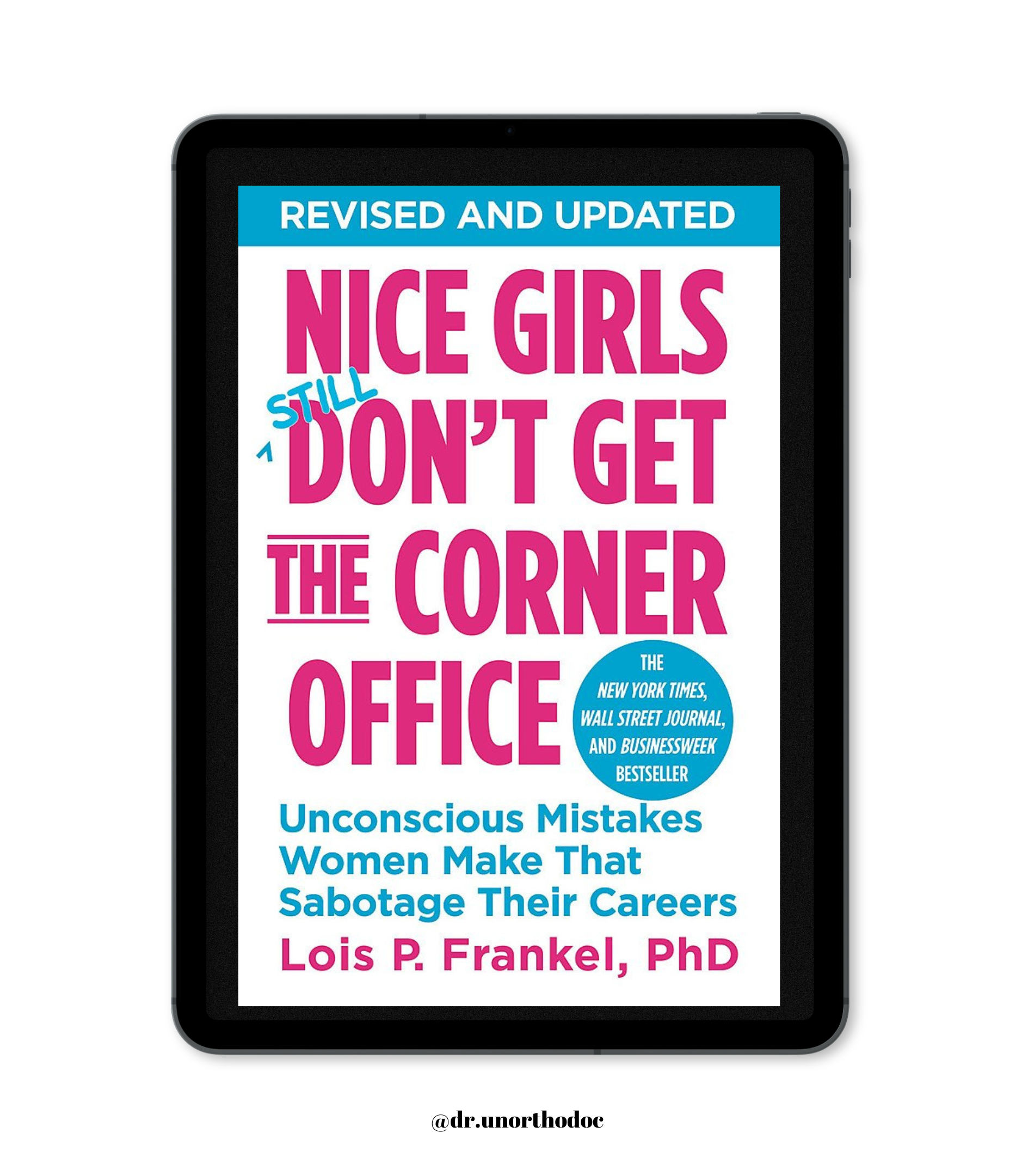


Happy reading!

Thinking About Getting Braces? What You Need To Know
Getting braces can be a bit daunting, but it also can be an exciting new chapter to straight, healthy teeth that will last you a lifetime! When thinking about getting braces, you first want to consult with an orthodontist. You might be concerned about the cost of a consultation; however, a high-quality orthodontic office often offers no charge consultations and can..
Getting braces can be a bit daunting, but it also can be an exciting new chapter to straight, healthy teeth that will last you a lifetime!
When thinking about getting braces, you first want to consult with an orthodontist. You might be concerned about the cost of a consultation; however, a high-quality orthodontic office often offers no charge consultations and can cover a wide array of topics, from your medical history to your treatment options and even financial needs like payment plans.

This initial consultation is an essential part of your treatment plan to talk about your orthodontic concerns, problems and what treatment would be best suited for you. Some of the things that a good quality orthodontist will talk to you about before you can get braces include:
Your medical history
Your Orthodontic concerns/problems (malocclusion)
Treatment options
Treatment Plan
Mode of treatment (braces, clear aligners or even behind the teeth braces)
Financial needs like whether you require payment plans
Preparing For Braces
Once your treatment plan has been finalized the first thing your orthodontist will recommend is getting a cleaning with your general dentist. This is because your orthodontist needs your teeth and gums to be clean and healthy before your braces are put on.
The Day You Get Your Braces on
Getting braces put on typically takes the same amount of time as watching your favorite TV show, about 45-60 minutes. Generally, after your teeth are prepped, the braces are treated with adhesive and fitted to your teeth. After this the orthodontist connect each tooth with wires.
It is a good idea to have some over the counter pain medication handy as your teeth and gums are likely to be a little sore. This soreness usually goes away in a few days.
Cleaning Your Teeth When You Have Braces
Now that you have your braces on you want to avoid certain foods that can break brackets and bend wires. Avoid hard foods like nuts, lollipops, chewy candies, carrots and popcorn.
You want to make extra certain that you are really cleaning your teeth morning and night with a good quality toothpaste and mouthwash as food and bacteria get more easily trapped between your teeth.
If you are looking to get a straighter and healthier smile contact your local Orthodontist for a consultation. If you’re in the Washington, DC area, Dr. Patrice Smith at Infinity Orthodontics offers Orthodontic treatment with options to fit your very busy lifestyle. Choose from convenient options like behind the teeth braces, Invisalign or custom braces.

Revive Your Soul: Ideal Places to Plan a Reset Trip
If you feel like you are in an endless cycle of stress or burnout, you are not alone. In the U.S., the majority of Americans admit to feeling stress. There are various reasons for it, including anxiety over finances, healthcare, climate, and violence. If you need a break from the hustle and bustle, it might be time to take a self-care "reset" trip.
This is a guest post by Marjorie Jones
If you feel like you are in an endless cycle of stress or burnout, you are not alone. In the U.S., the majority of Americans admit to feeling stress. There are various reasons for it, including anxiety over finances, healthcare, climate, and violence. If you need a break from the hustle and bustle, it might be time to take a self-care "reset" trip.
Palm Springs, California
First, you must ask yourself, can you afford to vacation anywhere? Most people have to put together a budget. However, understanding your finances and how to reach your financial goals by doing something you love can help you make plans to hit up Palm Springs, California.
Palm Springs is a popular resort destination. You can spend your days lounging by the pool or head to the Living Desert Zoo and Gardens. The city has museums, botanical gardens, and plenty of outdoor activities to take part in. Take in breathtaking views at the Tahquitz Canyon, a waterfall tucked into a canyon.
Sedona, Arizona
Sedona has a breathtaking landscape and a thriving town. At night, experience the stars above the canyons or live entertainment downtown. You can even check out the UFO tour and share some of the anomalies in the night sky.
Traveling to Sedona provides you with a break from everyday life while blending beautiful Arizona nature with a lively town full of museums, dining, bowling, and other recreation.
If you fall in love with Sedona, consider a vacation home in the city. Remember that purchasing a vacation home requires a substantial downpayment of 20% or more. If you struggle to afford that much, you could take a second mortgage out on your house or use a home equity loan to purchase the property.

Seattle, Washington
Seattle is a diverse city. While your first impression may be the towering skyscrapers and shopping district, you will also notice the surrounding mountains, many parks, and fresh Washington air. In Seattle, many people find themselves at the Seattle Center, checking out the Space Needle and Museum of Pop Culture.
Outside of Seattle, you can see Mt. Rainier and visit various wilderness parks with hiking, backpacking, camping, swimming, and other outdoor recreational activities. When you find yourself hiking on one of the many trails surrounding the Seattle area, you might feel a complete shift in your mood. Experts explain that spending time outdoors can reduce your anxiety and give you a moment to breathe and relax at the moment.
Houston, Texas
While in Houston, you can enjoy various outdoor recreational activities to soothe your mind and calm your soul. Additionally, there are parks, museums, walking tours, and tea parties to entertain yourself with.
Look for discounted tickets online if you want to snag a deal on Astros tickets. You can filter the tickets by price, date, range, and seat rating. Some sellers offer an interactive seating chart for a 360-degree virtual in-seat view.
Sometimes, you must break away from everyday life and do something for yourself. Your mental health matters and can impact your physical health and your ability to function in your day-to-day life. You should feel refreshed when you return home from a "reset" trip.
About The Author
Marjorie Jones created Working Class Wow because she knows you don’t need a big budget to make your business look like a million bucks! From a well-designed logo and a carefully-crafted website to grammatically-correct copy and professionally-printed marketing materials, it is entirely possible (and surprisingly affordable) to bring a little “Working Class WOW” to your small business to build your brand, improve relationships with customers, and benefit the bottom line. WorkingClassWow.com can show you how.

Over $10K Blog Income for June 2022
This month I am on track to make over $10K from blogging. That is, money coming in to do exactly what I would normally do - publish one blog post per month. I invested a lot of time before and after work to make it happen. I can now say it’s one of the best investments I’ve ever made.
This month I am on track to make over $10K from blogging. That is, money coming in to do exactly what I would normally do - publish one blog post per month.
When I started this blog I was pretty inconsistent with my posting schedule. When I realized it was directly affecting my SEO (the way it showed up in internet searches) that’s when I decided to put some strategy in and start posting more consistently. For the greater part of 2 years I posted once per week consistently. That greatly improved my ranking in google searches and thus the blog’s visibility. This also strengthened brand’s trust in me. Because of this combination, my blog has been making steady residual income.
I don’t do blog income transparency posts often but when I do, it is to show that blogging can be a lucrative side hustle if that’s what you desire. I did a similar post last summer where my blogging income over 8 months was $12,201.67. Roughly a year later and that 8 month income is close to the monthly income. This is the power of consistency. If this income remains consistent, that will be over $120K/year - a 6 figure income from blogging alone!
I have said this before but it is worth mentioning again, blogging didn’t start out being a money making venture for me (still isn’t the aim) but has been a welcomed side effect of doing what I love to do. When you love something, I mean love it, you don’t see it as work.
It’s why I can get up at 6am work until 8:30am, go to my 9–5 and then work from 6–10pm (if I want to). It’s joyful and I love to do it. Here are some of the benefits of a side hustle you love:
It’s free therapy
It gives you clarity
It builds your confidence
It gets you motivated
None of those things are about money, the money is a bonus.
If you create something you love regardless of the money, the money feels like you’ve won the lottery.

This month alone (June) my blog is on track to make roughly $10,180.05
My blog makes passive income with affiliate links and sponsored posts. This month alone (June) my blog is on track to make roughly $10,180.05 (this does not include income from my candle company). There are no overhead costs (besides the annual cost to keep the site up and running) and I don’t have to do anything differently. For me, blogging is a good side hustle.
Here is the breakdown:
Sponsored posts $6,000.00 - a sponsored post is an article you write on behalf of a company that would like to get in front of your audience. The key for me where this is concerned is to only agree to write such articles when it is a product or service that I have personally used or can get behind.
Affiliate links $4,180.05 - On the resources page of this blog I have products and services listed that I have used myself and even carry in my practice. I like giving my patients options especially when it come to oral care products and I extend the same to my readers. When I promote a company’s products as an affiliate I earn a small commission for the referral.
I am not including income from my candle company because it involves putting in extra time. I hand-pour and package each candle that is purchased and it does carry some overhead costs. However, running a candle business is another lucrative side hustle!
Invest in a side hustle.
It’s a way to have a job and do the work you really want to on the side with zero risk. Once the side hustle starts to become a bigger part of your income, you can slowly transition from a job to work you love, if that’s what you want.
I invested a lot of time before and after work to make it happen. I can now say it’s one of the best investments I’ve ever made.
Do this:
Work on a side hustle between 6-10pm. Commit for at least a year. Invest time into learning about online income streams. Experiment until you find your sweet spot.
Here are some Side Hustle blog posts and a Side Hustle Guide to get you inspired. Want to take things a step further? Purchase my e-book: From idea To Profit.

Starting a Business When You’re the Stay-at-Home Parent
In many households, being a stay-at-home parent can be more advantageous than employment due to daycare costs, other obstacles, or the simple desire to be more involved in the lives of your younger children. Still, you may feel as though you could be doing more — such as running a business. There are actually many businesses you can operate successfully while being a stay-at-home parent.
This is a guest post by Marjorie Jones
In many households, being a stay-at-home parent can be more advantageous than employment due to daycare costs, other obstacles, or the simple desire to be more involved in the lives of your younger children. Still, you may feel as though you could be doing more — such as running a business. There are actually many businesses you can operate successfully while being a stay-at-home parent.
Leverage Your Talents and Interests
One of the easiest ways to start a profitable business that doesn’t require too many resources is by using the knowledge you have to teach lessons to others. If you play an instrument, you can offer music lessons. If you paint, you can teach art lessons. Consider that you can also teach lessons online and sell pre-recorded classes.
Being a personal trainer is a great way to make a reliable income without needing to leave your home. You can stream lessons over the Internet to clients working out with weights at home or at their own gyms. This kind of setup also enables you to scale the business to a larger degree.
If you’re knowledgeable about a niche and skilled in writing about it (or writing in general), you can take on clients from the comfort of your own home. Even if you work through a platform that connects you with clients, you can work both online and for local businesses on the side. It’s probably most beneficial to file your taxes through an LLC as an independent contractor.
Set Up Your Business
In order for your business to run smoothly, you’ll need to take some steps to get it set up via paperwork and other factors, so it can operate legally. An LLC offers tax advantages, liability protection, and operational conveniences. This can be done via your state government or proper provincial offices.
When starting out with your stay-at-home business you’ll need to determine how much the business will cost to start and where you’ll get the funding from. You’ll need a comfortable and sufficient workspace somewhere in your house, such as the garage, guest room, or office. Marketing is also a crucial question to figure out, and it’s not a bad idea to start online or use geofencing methods to attract more localized customers.

Get the Ball Rolling
Getting paid requires invoicing clients properly and following up to make sure you receive payments. Your business will probably be on a smaller scale, so up-front payments are probably a good idea. However, there are many tools you can use to make invoicing clients simpler and easier when necessary. This invoice generator will save loads of time and provides several templates you can use for different kinds of businesses. You can also customize different elements of the document by adding logos, photos, or other elements that make identifying and reading them easier for clients and yourself.
A Business Can Change Your Life
If you plan carefully and choose a business niche that works for your circumstances, you can operate a profitable venture that benefits your whole family. Make sure to register your business venture through proper channels and use invoice software to make the process simpler.
For insight and advice from an entrepreneur and mother who’s seen it all, visit The UnOrthoDoc blog.
About The Author
Marjorie Jones created Working Class Wow because she knows you don’t need a big budget to make your business look like a million bucks! From a well-designed logo and a carefully-crafted website to grammatically-correct copy and professionally-printed marketing materials, it is entirely possible (and surprisingly affordable) to bring a little “Working Class WOW” to your small business to build your brand, improve relationships with customers, and benefit the bottom line. WorkingClassWow.com can show you how.






10 Ways to Stay Inspired as an Entrepreneur
Many entrepreneurs suffer from creative blocks due to being so wrapped up in tasks. To a large extent, we all have to let the processes of creativity and inspiration come to us from the outside because it is not always an internal process we can count on. Inspiration waxes and wanes along any person’s journey to success. Yet, there are many ways to stay inspired through outside sources to keep our engines of motivation and excitement roaring.
Entrepreneurs are a unique group of people. Many attributes set us apart from others -- the deep levels of desire, independence, needs for freedom, levels of dedication and a willingness to take risks.
However, many entrepreneurs suffer from creative blocks due to being so wrapped up in tasks. To a large extent, we all have to let the processes of creativity and inspiration come to us from the outside because it is not always an internal process we can count on. Inspiration waxes and wanes along any person’s journey to success. Yet, there are many ways to stay inspired through outside sources to keep our engines of motivation and excitement roaring.
1. Read
Keep one or more motivational books or readings with you at all times. Sometimes it only takes one sentence to get your mind in gear on what you want to achieve in your day, your business and the bigger picture of your life. Reading something that hits home reminds you that your path to success is worth the hard work. Having a book on hand is like having a pocket coach. When you need it you can reach for it at a moment’s notice.
2. Rest or Time alone
The majority of time in your life will be spent in the consistent company of other people on a regular basis. Even when the connections you have are positive, it is still taxing on your energy to be constantly giving out. It is vital to the human spirit to have a certain amount of time alone to detox and re-energize. Inspiration cannot come from a dry well of energy resources. It is important to refuel and take time for yourself.
3. Money
Money is a great motivator; not the root of all evil. Money is a tool and resource which can be used for so much good. Money is also one of the greatest rewards acknowledging your hard work. It is not wrong to work for money, or to have making more money as a priority and important goal in your life. You should always strive to make more money. Increases in money often come hand-in-hand with increases in status and position; all which build confidence. With money comes the freedom to do more things. Having this type of freedom brings more happiness. You are never more inspired than when you are happy.
4. Music
Music can be one of the most direct ways to find inspiration. Inspiration is a drive, but as much as it is a drive, is also an emotion. You either feel inspired or not. Emotions, the full range of them, make up inspiration. If you’re hurt or angry, the right song can inspire you to succeed. If you have a creative block the right music can open your mind. It has been proven that music is in sync with our brain waves, and when people listen to Mozart before taking intelligence tests they score up to 10 points higher. So if you want to find some inspiration, listen to some great music.

5. Exercise
Getting outside, moving your body, getting fresh air and working up a sweat are highly creative ways to find inspiration. When you are at work, your mind is only focused on the task at hand, which leaves very little room for your right brained activities such as inspiration to come forth. When you exercise, the left brain is distracted by the task of exercising, allowing the more right brained emotions and ideas to come through. Further, when you push yourself physically you learn how strong you are emotionally, and this helps to keep you inspired and believing in your capacities to continue pressing forward.
6. Gratitude
Wherever there is gratitude there is a spark of life, wherever there is a spark of life there is inspiration. The more grateful you are for what you have the more motivated it makes you to want to sustain and elevate above your current level of success. Abundance is a beautiful thing. A great way to practice gratitude is to write thank you on every check and every receipt as a way to remind yourself of how blessed you are to have the abundance to spend the money you spend. When you are grateful you become plentiful. The feeling of being in abundance is inspiring because it is not a feeling you want to lose. You become more deeply committed to all you do when you treasure what you have. There is no room for complacency when you are grateful.
7. Vision
If you lose inspiration, go back to the drawing board and either create the vision of what it is that you want, or be brave and flexible enough in your mindset to reinvent the vision you currently work from to more effectively move forward. Having a vision is a way of creating a future benchmark of achievement that sits out luminously in front of you; you knowing you won’t be satisfied until you achieve it. A vision inspires the willingness to strive for what you want. It inspires you to live your dream.
8. (Healthy) Competition
Competition breeds inspiration, whether you’re competing with yourself, a score, a dollar amount, another person, for a raise, a bonus etc. Competition inspires you to get to that next level. It motivates you to prove yourself to yourself and to those others who matter when pushing yourself forward. Getting to that next level will require hard, work, training, and motivation. There is nothing more inspiring than wanting to win. You will naturally do nearly anything to feel that sense of accomplishment.
9. Other people’s stories
A great way to find inspiration is to study other inspirational people. Read their biographies, watch movies that are touching. The last book that I read that was really inspiring was Will, by Will Smith. There is something so intoxicatingly inspiring about the underdog having a major comeback or victory. If you feel low on inspiration take a day to read, watch a film, or otherwise study others who others have made it against all odds. Emulate in your life, what inspires you about these people and these stories.
10. Give
When you give and you see the fruits of your labor. Seeing the significance of your impact on the world is so moving it inspires you to work more, and make more in order to give more. Giving is the greatest gift that gives back. To see that what you contribute to the world makes a huge difference in the lives of others. It is what inspiration is all about.
Part of the problem with inspiration for entrepreneurs is creating a healthier work-life balance. Many entrepreneurs often don’t give enough attention to their physical, mental, or emotional well-being. We work at all hours, eat whatever is closest to us, and blindly finish tasks under taxing conditions. This type of lifestyle is a recipe for burnout. The state of mind which allows us to find inspiration becomes more elusive if we aren’t addressing our own needs along the way.

4 Benefits of Taking a Data-Driven Approach to Run Your Dental Business
With how hectic the everyday operations of a dental practice can be, sometimes big-picture strategies are left on the back burner. However, adopting a data-driven approach and analyzing your dental business’s data is one of the surefire ways to recognize opportunities that can improve your practice.
This is a guest post by Bash Sarmiento
With how hectic the everyday operations of a dental practice can be, sometimes big-picture strategies are left on the back burner. However, adopting a data-driven approach and analyzing your dental business’s data is one of the surefire ways to recognize opportunities that can improve your practice.
Here are four reasons why you should run your dental business with a data-driven approach:
1. You figure out what works and what doesn’t
Managing your private dental practice means that you’re monitoring a lot of moving parts, from your patients to your staff to your inventory and everything in between. Being able to gather information about the different aspects of your business allows you to assess what’s working, what needs improvement, and what can be eliminated.
You are also able to distinguish any blind spots or weaknesses in both your business and actual practice. While trusting your intuition is always a good approach, this may cause you to overlook crucial opportunities for improvement, SoftwarePundit points out. Not studying your data may lead you to overestimate certain features of your practice that can be detrimental to your performance.
Being more mindful of your business’s data, staying on top of collecting, measuring, and analyzing them, helps you identify opportunities to improve. It can also maintain and enhance cost-benefit ratios for both the dental care providers and the patients. Gathering and analyzing data doesn’t have to be labor-intensive like you might think, you can easily create an automated Google sheet dashboard to better showcase your data.
Improvement does not always have to be grand either, as big-picture metrics may not properly encompass the day-to-day way things operate. Adopting changes according to your data analysis may not present an immediate impact, but over time and with the right approaches and techniques, you will find that you are getting your desired results in the most efficient way possible.

2. Your patients will receive better care
Analyzing your data makes it easier to catch details regarding your patients’ oral health, like whether or not you are experiencing high patient attrition rates or you could possibly be underdiagnosing certain oral diseases compared to the national statistics. Of course, to realize the latter, you must first be able to gather the appropriate data in your own practice to refer it to the national averages.
The best way to gather patient data efficiently is to consider switching to electronic dental health records (EDRs). This gold mine of data can greatly help you better organize your patients’ information and assess your delivery of quality care.
Your metrics coupled with discussions with your staff on how to better approach these oversights will greatly benefit your patients as you provide them with quality care and services. It also keeps your practice running efficiently to deal with different cases.
3. The numbers are great motivators
By having the hard data, not only are you able to see how your business is doing currently, but it also helps you set reasonable and attainable goals moving forward. Sharing your data with your staff can also help them understand any problems you, as a collective, might be facing or any points of improvement everyone can contribute to refining.
Your data can support any areas you are excelling in, while also presenting any probable lapses in services or operations. Since each team member has their own role, they can focus on the data related to their responsibilities and possibly help their colleagues in their respective fields too. Your team may be able to effectively meet and even exceed their goals given the data available to them.
As you continue to measure your data and see that the metrics are improving, presenting the positive changes to your staff can be a great motivational tool for them. Recognizing your staff’s hard work and being able to back their improvement with tangible data can make the praise all the more rewarding. This can also improve your employees’ satisfaction rate in the business which in turn creates a culture of growth and continued improvement in the team.
4. Improvements beyond your own practice
The data you gather will not only help improve your own business but can serve a greater purpose for the dental community as a whole. Newer technology makes it possible to provide and access a plethora of dental record data which makes it easier to study which dental therapies work and which need updating, according to Dental Economics. Problem-solving and advancements in the dental industry may now be easier to develop as the data required to promote these changes will be easier to gather, manage, analyze, and access.
Data in this day and age is a valuable commodity. While it may take some time getting used to staying on top of recording and analyzing your data will greatly impact your business. Adopting a data-driven approach to your practice will not only propel you to a more efficient and successful dental practice but will also aid in the movement towards an improved dental industry.

Meet bash Sarmiento
Bash Sarmiento is a writer and an educator from Manila. He writes laconic pieces in the education, lifestyle and health realms. His academic background and extensive experience in teaching, textbook evaluation, business management and traveling are translated in his works.
Find him on Instagram and LinkedIn

How To Make the Choice Between Dental Service Organization (DSO) and Private Practice:
Many dental professionals, new grads In particular struggle with the decision to join a dental service organization (DSO) or purchase their own private practice. A lot of the decision making lies in the fact that we are now burdened with heavy student loan debt combined with the hardships of the COVID-19 pandemic.
Many dental professionals, new grads In particular struggle with the decision to join a dental service organization (DSO) or purchase their own private practice. A lot of the decision making lies in the fact that we are now burdened with heavy student loan debt combined with the hardships of the COVID-19 pandemic.
The question then becomes, do I take the leap and go into practice ownership or play it safe? Of course, and you might be more equipped to flourish on your own. But this depends on individual skills and preferences.
According to David Rice DDS, founder of Ignite DDS “They both have advantages and shortcomings depending on the person. One’s level of personal responsibility, income level, and quality of life can all be better or worse according to preference. It definitely comes down to an important choice; how much are you willing to deviate from the old adage of ‘focusing on the dentistry?’”
DSO Advantages
DSO ownership can offer many advantages to a practice owner. There is essentially a corporate management system that takes over operations. This means help with payroll, supply distribution, and repair/maintenance issues. You’ll also probably enjoy perks such as drastically reduced repair bills and quicker service response. Large DSOs have the power to negotiate prices based on volume, so the larger they are the better the perks become.
Operations isn’t the only thing that gets a boost; your new affiliation will offer inclusion in nationwide marketing campaigns, with more patient visibility through multiple website channels. In a world where the pandemic literally shut down almost everything, that can be a huge boost when trying to convince your patient base (who isn’t leaving the house much) that the dentist’s office is one of the safest public places to be. Speaking of your patient base, if you’re just starting out in practice this is a big plus—you don’t have to wait to build your client base; the DSO will have been marketing for you since before day one.
Other perks will most likely include access to training and continuing education opportunities that you and your staff might not have known about or had access to otherwise. One thing about DSOs is that they prefer uniformity. This could result in the uniform decision to replace equipment that doesn’t hold up to their standard. You could suddenly be replacing dental chairs that are more than 10 years old or moving to CAD/CAM or CBCT if you haven’t already done so.
The benefits of new equipment are obvious, and hopefully your team will be excited about the new learning opportunities. Guidelines are the key to success for them, and you’ll have to keep your team in the progress loop. Because of this, you’ll also learn a lot about running a successful dental business, something that will be invaluable should you decide to open your own office someday. Large companies hire successful, experienced executives to lead their (and your) teams so that only best practices are brought into the business.
DSO Disadvantages
The drawback of the disadvantages might depend only on your interest in avoiding them, but profit would be at the top. You stand to make only a portion of what you would make as an owner, but the tradeoff is everything I discussed above. Because of the standards and uniformity, you’ll have little room for negotiation at the practice level, and other doctors and team members will be paid accordingly. Profits may take priority in corporate ownership, so you would be leaning into decisions you might not normally make under alternative leadership.
You also stand to lose some decision-making power. More specifically, additional treatment could be the norm when in doubt (perhaps against your own intuition), and associates working on scale might be in competition for the high-dollar procedures. Production goals will also be in place, so if others are sending the business, you’ll be held to capitalizing on those opportunities. It’s also wise to find out everything about the contract you sign; some may include a restrictive covenant that would prohibit you from practicing within a certain distance of your current practice to prevent competition.

Private Practice Advantages
On the flip side, private practice offers high-risk, high-rewards for those with dreams and perseverance. In reality, doesn’t everything worth doing carry risk? Obviously, overhead is the major discerning factor here, as all costs—from startup to maintenance—are solely your responsibility. Private practice also offers complete autonomy, with no location restrictions or restrictive covenants and complete control over capital investments, personnel, and other major decisions.
It helps if you know something about business, and there are many articles available about what they don’t teach in dental school. Small offices are more personally affected by each employee, so you’ll need to create influence by being a strong mentor and helping your team members grow. One way to do this is by exposing them to new technology and procedures and developing their skills. The investments you make in your team will pay off exponentially with less absence and turnover.
Also, human resources decisions are left up to you. If you do things right, you can minimize payroll with smart choices and multifunctional team members. You don’t have to seek approval to hire someone outside of your initial price range with exceptional skills. All major equipment investments, while seemingly pricey, will pay for themselves with a quick return on investment and will be attractive when it’s time to retire. I’ve often said that dental equipment upgrades are never a bad decision, and any dental transition broker will tell you that buyer dentists will consider offices with upgrades and good equipment a much better investment than something they must sink money into immediately. Furthermore, a private practice that is well kept is a very attractive opportunity should the owner want to take on a partner.
Private Practice challenges
Some challenges a new private practice might face are the same as starting any other business. Startup costs in building or purchasing can be burdensome, and loans can put pressure on a new business. A consistent patient base can take years to develop, so a first impression is important. The current technology and a fresh, clean office are a must to lure new patients away from their current offices. Marketing is important, and while there are several programs that you can use with third parties, a good employee with a marketing background will help you manage that as well as a strong social media presence. Obviously, slow days in your practice mean less income to cover expenses, whereas working for someone else might not affect your daily rate. You’re also solely responsible for keeping up on all of your HIPAA requirements and security and failing to do so can mean consequences to you personally.
Ultimately, there are ups and downs at both ends of the ownership spectrum. My goal in this article is not to pick a winner, only to illuminate the fact that one’s ambition, desire for income potential, or need for autonomy would make one choice easier than the other. Depending on one’s abilities, means, and outlook on life, either one offers benefits and downsides, but switching between the two will take time and research.
Before you make the decision, it’s wise to consider all factors, do your due diligence, and understand the restrictions of each. There are many resources available to advise on the cost/benefit spectrum, but no one else can tell you what’s right for you. If you value work/life balance and don’t put a premium on income, you might opt for less responsibility and focusing on the dentistry. If you want the chance to build something in your own name, you might want to take more control and reach for the brass ring. Good luck!
Original article from DentistryIQ


4 Tips for Maintaining Self-Care During a Busy Work Week
Amid all the hectic chaos of everyday life, be it at work or with family and other responsibilities, it’s normal to forget that in order for one to function properly, one must pay attention to health and wellness. Self care is something easily swept under the rug, but is actually an essential part of maintaining a well-oiled machine.
This is a guest post by Bash Sarmiento
Amid all the hectic chaos of everyday life, be it at work or with family and other responsibilities, it’s normal to forget that in order for one to function properly, one must pay attention to health and wellness. Self care is something easily swept under the rug, but is actually an essential part of maintaining a well-oiled machine.
Self care does not have to be the lavish and luxurious massages, yoga sessions, out-of-town beach trips, and shopping sprees for the most comfortable loungewear or whatnot that one might think of when we hear the term. While they’re all undeniably great, it does not and should not take so much out of the pocket to be able to practice basic self-care.
There are a ton of simpler, more cost-effective ways to practice self care in the middle of jam-packed work schedules. In this article, we gathered some of the most simple self care practices you can consider and adjust based on your schedule and budget.
1.Set your priorities straight
What self care is really about is knowing what your needs and priorities are at a given time period. When scheduling or crafting your self care regimen, ask these questions: what needs or issues do I want to be addressed first, second, third, and so forth? What activity will help me the most given these needs or issues?
This technique will help you in making your self care regimen more purposeful and productive. Who says self care does not contribute to efficiency? It’s actually what enables efficiency in the first place.
This will help tremendously in terms of managing our most valuable resource, which is time. Learn how to lay out what is most urgent and important for a specific time period, heavily considering the state of your physical and mental well-being and capacity.

2. Start an exercise routine
Keeping the machine running and getting it started early on in the day will help clear your mind of stress, anxiety, and other debilitating mental conditions. Establishing a certain exercise routine for the morning will actually help in the long run in terms of keeping your physical and mental state clear.
This does not necessarily mean the whole weekly gym visit or weekly cycle session. It can be as simple as waking up an hour earlier than usual to take a walk or sprint outside or doing some basic stretches on your computer chair.
The idea is to get that machine running earlier in the day to keep your mind active during normal waking hours and stabilize this activity.
A bonus to this is having a dedicated routine for health and wellness in general. Some people will have skin care regimens, for example, for the purpose of oil cleansing. This is for the purpose of systematizing your me time!
3. Set clear boundaries
Having clear boundaries will let you know when and where work ends and me time begins. It is important to have these boundaries when talking about self care since this is what most people tend to forget.
Saying no to requests and schedules is normal. While it can be a challenge at first, it’s best to always bear in mind that sometimes you have to put you first, and self care is actually part of ensuring that you will be able to deliver the best service to them. We must quash the notion that taking care of yourself is selfish or indulgent. Taking care of one’s self is essential to everyone’s physical and mental well-being.
One of the concrete ways you can do this is by setting meal breaks solely for meals and not for work. Taking weekends off is another. Start with allotting hours or days specifically to reel back and rest from all the hecticness. Clearing your mind will also be beneficial to delivering more efficiently at work in terms of providing fresh perspectives and a renewed energy.
4. Get some light
Many have attested to the positive effects of starting your day early in the morning with a quick walk around the neighborhood. Getting good sun is not only good to clear your mind and prepare you for a new day, but also for your entire body. The quick walk can also serve multiple purposes, such as running errands for the parents or buying that period underwear you have been looking for.
Get your daily dose of natural light every morning to wake up and you will automatically radiate the sun’s vibrancy as well after your walk. Seeing people from the neighborhood starting their days as well can help boost your morale. We’re all in this together!
Final thoughts
Key to maintaining a self care routine is identifying your needs and what can most efficiently resolve them. It is important to include in the conversation your loved ones, family, and friends as these are the people outside of your work life who know you the most.

Meet Bash Sarmiento
Bash Sarmiento is a writer and an educator from Manila. He writes laconic pieces in the education, lifestyle and health realms. His academic background and extensive experience in teaching, textbook evaluation, business management and traveling are translated in his works.
Find him on Instagram and LinkedIn





How To Launch Your Side Business Successfully In As Little As 14 Days
There's absolutely nothing wrong with having a job. Some people genuinely love what they do, where they work and the people they work with. But, what if you had more time to spend on the things that you are truly passionate about?
No one gets wealthy from having a job. Read that again!!!
Having a job is great, you receive a paycheck in exchange for time spent completing tasks related to your work. That paycheck affords you the lifestyle you live, you pay your bills, go out to dinner or brunch with friends and you may even be able to squeeze in a vacation with the 2 weeks paid time off you negotiated in your contract. It's the American Dream!
But, that American dream is flawed. With your job, you're exchanging your most valuable asset - your time. Meanwhile, your boss has time to spend with his/her family, take 4-6 vacations per year (maybe more), owns homes in Miami and Fiji (which he flies to in First Class or on his private jet) and host dinner parties on his/her yacht.
There's absolutely nothing wrong with having a job. Some people genuinely love what they do, where they work and the people they work with. But, what if you had more time to spend on the things that you are truly passionate about?

I've always had an entrepreneurial mindset. Both my parents were business owners and growing up I never saw them work for anyone. They were always their own boss. I remember distinctly how my dad lectured me on the dangers of mediocrity and somehow my 10 year old self formulated the conclusion that if you worked for someone you were mediocre. That may not be what he meant, but that's the conclusion I reached at the time.
My dad has always been a self employed businessman that wears many hats. He is an engineer by trade, a lawyer, he owns businesses in a myriad of industries and has time to be involved in politics. It seemed to me that he did whatever he pleased at whatever time he felt like doing it . He employed competent individuals who managed the daily activities of the businesses and allowed himself the freedom to spend most of his days as he saw fit. He is a very shrewd man but I could never figure out how he made money but never went to work at a scheduled time. As a kid I decided, perhaps subconsciously that this too would be my life - wearing multiple hats and being financially independent to live the life I pleased.
As a dental student I loved scented candles and always had a passion for creating things by hand so I decided to merge the two. I started making candles in my kitchen as a way to relax and be creative and I've kept this passion alive till this day. Over the years it has transformed into a steady income earning business. My vision for the company has always been to become a staple in dental offices throughout the U.S (and the world) as well as homes, boutiques, yoga studios, restaurants, etc.
The candle company, my blog and other passive income streams remain my 6-10 (what I focus on when I'm not in my private practice being an Orthodontist and creating smiles between 9-5). However, during the pandemic in early 2020 when we were forced to quarantine I put my full focus into the candle business and was able to grow it over 300% in three short months. During this time I put 100% focus on my side businesses and they flourished! Now, I want to help you do the same.
Mindset Mastery
A lot of people have genius ideas that never get off the ground because they get stuck on turning those concepts into reality. Starting any kind of business is challenging! Despite those challenges, a well thought out idea can become a full time career (if that’s what you want).
Did you know it could take as little as 4 days to slingshot an idea into reality? I am speaking from experience. It involves a little mindset mastery, planning and execution.
Let’s face it, in life your mindset will make or break you. Business is no different. The truth is there is no better time than now to start that side hustle you’ve been thinking of. The Internet has created an environment where anyone can become successful once they have a great idea, fill a void or solve a problem. Those ideas are not serving a purpose in your head or in your notebook. They are worth nothing unless acted upon. This is the first step to starting your side hustle journey.
Mindset Master 1 - Believe in yourself and your business
Mindset Master 2 - Cultivate a mindset of abundance
Mindset Master 3 - Form Profitable Habits
Mindset Mastery 4 - Think 2-3 steps ahead
In my e-book: From Idea to Profit, I go over each mindset mastery step and get into the nitty gritty of launching your business. It includes 7 fundamentals steps every person has to go through to get their business going, in addition to all the steps necessary to get your business set up and fully running. The great part, all of this can be accomplished in as little as 2 weeks!

This e-book is written for those who want to get their business ideas out of their heads and into the world. It includes action packed steps to move you from thought to action in as little as 1 week.
Bonus: FREE side hustle guide, side hustle workbook and journal with this purchase
You have absolutely nothing to lose! For the cost of two cups of coffee you can get all the steps to get a profitable side business up and fully running that will continue to make you money for years to come. Not only that, but you also receive not one, not two but three free bonuses inside!

Books I Read in 2021
I love a good book! I am an avid reader and for as long as I can remember one of my favorite hobbies has been curling up on the couch with fuzzy socks on and a great book. Find the 12 books I read in 2021 inside.
I love a good book! I am an avid reader and for as long as I can remember one of my favorite hobbies has been curling up on the couch with fuzzy socks on and a great book. Forget Netflix! For a while now every year I set a goal to read at least one book per month (12 books per year). Sometimes I can get two or three in depending on the size of the book and the amount of time I have, but at the end of the year that number should at least be twelve (never less). In 2021 I read 14 books and I am sharing with you some of those with you, along with a few that are on my current on my reading list.

1.The 4 Hour Work Week // 2. We should all be Millionaires //
3. Set Boundaries Find Peace // 4. Influencer // 5. Believe It //
6. 18 Minutes

1.The Vanishing Half // 2. Your Time To Thrive // 3. Think Like A Breadwinner //
4. Beyond Entrepeneurship // 5. Simple Be. // 6. Get Good with Money


1.What happened to you // 2. Play Bigger // 3. Between Two Worlds //
4. Superfans // 5. Super Consumers // 6. Scrum
Want to read along with me every month? I created a book club for book lovers like myself. It’ll be a place to discuss each month’s read as well as a place for networking and community. Join the club and grab this month’s read. See you inside!


Setting Financial Goals in 2022
It may be important to cut down on carbohydrates or increase the number of trips you make to the gym each week (of course, you can still do those things), but harnessing the power of focused financial discipline can provide you with practical habits that can serve you for a lifetime.
At this point we have become very good at setting new year goals or resolutions. However, setting financial goals for the new year is a very different kind of ambition than working out, losing weight or making our beds every day.
Yes, it may be important to cut down on carbohydrates or increase the number of trips you make to the gym each week (of course, you can still do those things), but harnessing the power of focused financial discipline can provide you with practical habits that can serve you for a lifetime.
Here are seven straightforward and achievable practices for helping to improve your financial future.

Set Up a Budget & Track what you spend
A great first step is taking note of your monthly net income. That would be your take-home pay or any other income you have, after taxes. Next, list all of your expenses, including fixed items such as housing, utilities, transportation, and any regular debt payments, such as loans, credit cards, insurance, etc.
Include and track your average grocery costs, out-of-pocket medical fees, and discretionary personal spending. Hopefully there’s enough room left in the budget for saving and investing. The important idea here is to make a budget that works for you and to stay on track.
Set Up an Emergency Fund
It’s easy to feel confident when everything is going fine, but having a rainy day fund set aside in an accessible account could mean the difference between getting through a difficult stretch or falling into a much more dire situation. Th rule of thumb is to have 3-6 months of living expenses put aside. Some people opt to have a more hefty cushion, like 12 months. If you lose your job, encounter a serious health issue, or are met with any number of other unexpected financial challenges, having an emergency fund could make all the difference to your financial wellbeing.
Pay Off Credit Cards
Getting a handle on credit card debt is critical in creating healthy New Year’s resolutions you can actually stick to and follow through on. The credit card companies are very adept at convincing people that spending is easy. Try to pay off the entire credit card balance whenever it is used.
If you’re unable to pay the entire balance and have multiple credit cards consider credit card consolidation. This can allow you to get on a fixed payment schedule with a target payoff date, potentially lower your interest rate, and possibly improve your credit score.
Saving X Amount of Dollars
I am not a big proponent of having money sit in a savings account because the interest rates on average are really low. Unless you’re putting money towards your emergency fund or putting money aside for a big purchase like a downpayment on a car or home, your money is better placed in investments where the returns are much higher.
Saving for Retirement
It is never too early (or late) to put money away for retirement. Opening a 401(k) or an IRA should be a top priority. Hopefully, your employer will offer to match your 401(k) contribution up to a certain percentage. This can be especially beneficial because your contributions aren’t taxed on the way in.
Alternatively, if your job does not offer a 401(k) plan, you can set up your own IRA. If you already have one, you can make it a New Year’s resolution to contribute the maximum amount. Currently, 401(k) plans and IRAs have a maximum limit of $20,500 and $6000 for 2022, respectively.
Start Investing
Deciding on what investments to make can be a part of your overall financial strategy. Most likely you have goals spread throughout all the stages of your life plan and your portfolio should reflect those priorities.
For example, your short term goals (fewer than three years) may include an emergency fund, travel plans or buying a car. You may want these funds to be liquid in order to access them more quickly. For medium and longer term investments (saving for a down payment or retirement etc), you may be able to take some risk, thereby increasing the opportunity for greater returns. It’s always helpful to have some guidance as you establish your investment plans. Speak with your financial advisor to see the options that are best for you and your situation.
Here are some Investment topics and strategies to dive into:
Investing 101: Invest In Yourself
Setting Up Your First Investment Account
How To Start Investing In The Stock Market
6 Questions To Ask Before Investing
6 Tips on Getting Into Real Estate Investing
5 Ways To Invest in Real Estate
Up Your Investing Game with NFTs
Long Term Financial Planning
While it may seem like you have plenty of time before you need to focus on long-term financial goals, there can be more to it than just saving for retirement. It’s never too early to imagine where your life is headed and what you want to achieve in the future.
This can be anything from owning a home, to raising a family, to starting a business, to becoming debt free, to maximizing your earning power. Envisioning what’s possible can enable you to set practical goals to get you there. Once you’ve outlined a plan it is equally important to revisit your plan regularly and make adjustments as needed.
All of these options provide a practical way to rethink your financial activities so you can begin developing an overall strategy for building wealth. And the earlier in your career that you start—especially in your 20s and 30s—the more power your money can provide you over the long run.
Of course it’s never too late to start adopting practical habits for spending, saving, investing and planning. And if you set your mind to it, there’s no limit to the possibilities you can uncover—while maintaining that resolution to go to the gym regularly, too.