
Why Your Sensitivity Toothpaste Might Not Be Working
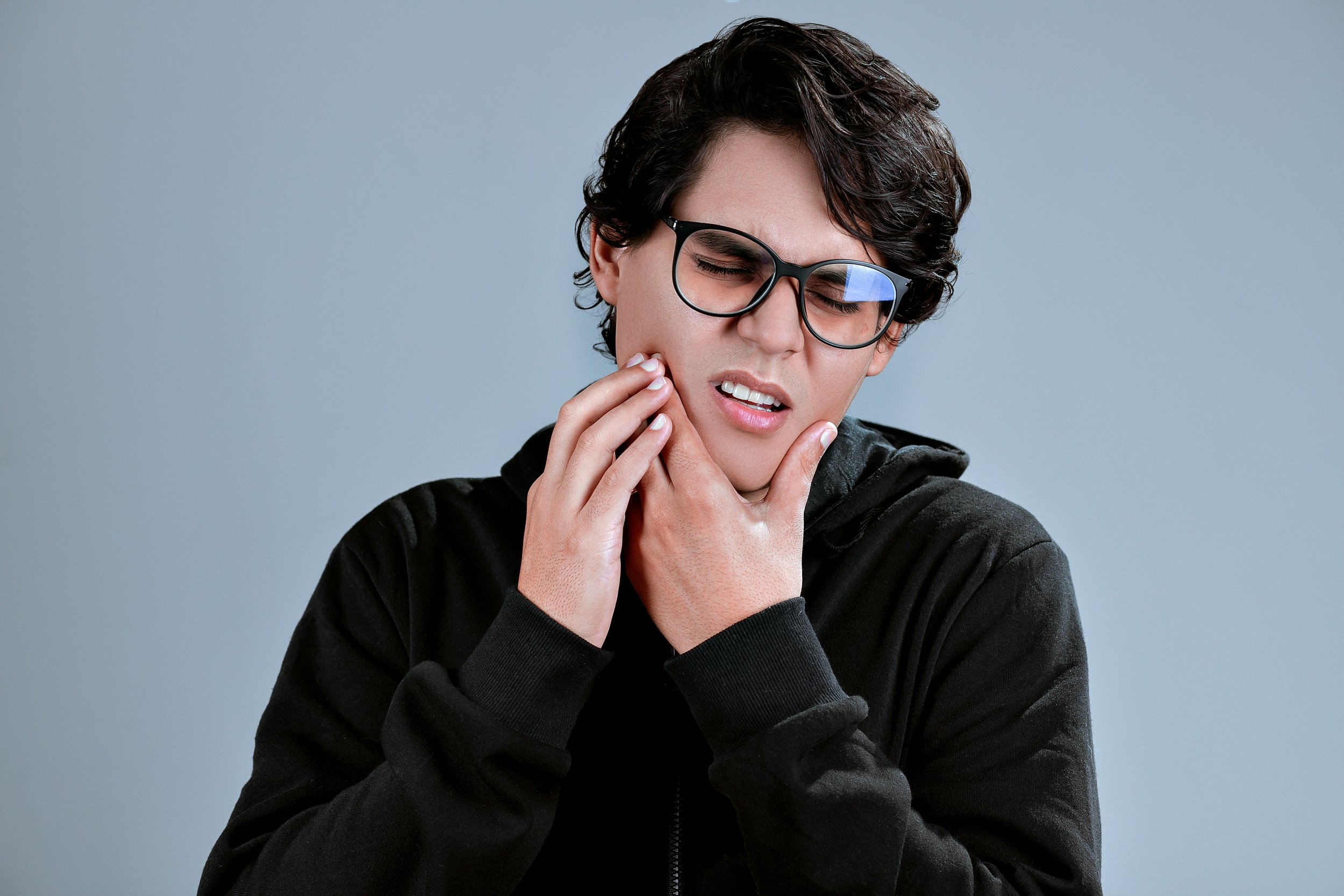
One of the most common complaints I hear from patients is, "My teeth are so sensitive."
Cold water hurts. Ice cream hurts. Sometimes even breathing in cold air can trigger that sharp, uncomfortable feeling.
Most people do what they're supposed to do: they buy a sensitivity toothpaste. But after months—or even years—of using it, many still struggle with sensitive teeth.
Sponsored Article: This educational article is presented in partnership with Ollie
One of the most common complaints I hear from patients is, "My teeth are so sensitive."
Cold water hurts. Ice cream hurts. Sometimes even breathing in cold air can trigger that sharp, uncomfortable feeling.
Most people do what they're supposed to do: they buy a sensitivity toothpaste. But after months—or even years—of using it, many still struggle with sensitive teeth.
So why does that happen?
What Actually Causes Tooth Sensitivity
Many people think of teeth as solid blocks of enamel, but that's not exactly how they work.
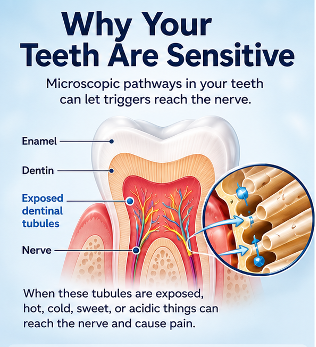
Under the enamel are microscopic channels called dentinal tubules. Think of them as tiny pathways that connect the outside of your tooth to the nerve inside.
When those pathways become exposed, hot, cold, sweet, or acidic foods can reach the nerve much more easily, causing sensitivity.
There are several reasons this can happen, including:
· Gum recession
· Teeth grinding or clenching
· Brushing too aggressively
· Acidic foods and drinks
· Enamel wear over time
· Certain dental procedures
The common theme is that the protective barrier around the tooth becomes compromised, allowing those microscopic pathways to become exposed.
How Most Sensitivity Toothpastes Work
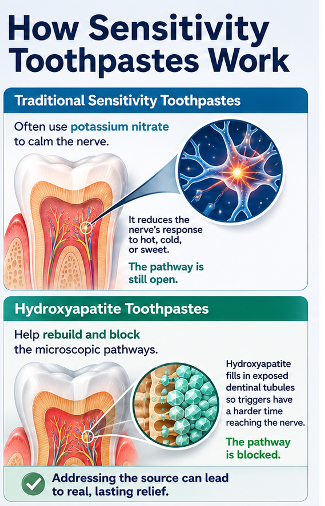
Many popular sensitivity toothpastes use an ingredient called potassium nitrate.
Potassium nitrate works by calming the nerve inside the tooth. Instead of fixing the source of the problem, it helps reduce the nerve's response to stimulation.
For some people, this provides relief. But many patients tell me that their sensitivity never completely goes away, even after using these products consistently.
That's because the exposed pathways are still there.
The nerve may be less reactive, but the underlying cause of the sensitivity hasn't changed.
A Different Approach
This is where hydroxyapatite comes in.
Hydroxyapatite is a mineral that naturally makes up a large portion of your enamel and dentin. In recent years, it has become increasingly popular in toothpaste because of its ability to support remineralization.
In simple terms, hydroxyapatite helps restore minerals to areas of the tooth that have lost them.
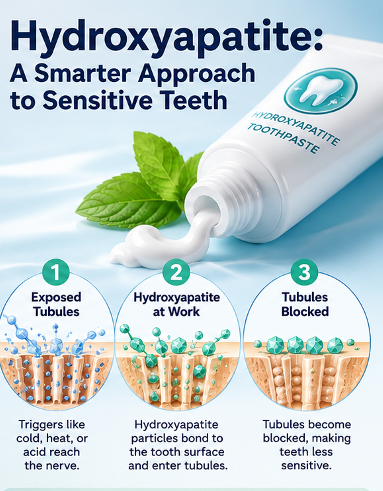
More importantly for sensitive teeth, it may help fill and block exposed dentinal tubules.
If those pathways are blocked, cold drinks and other triggers have a harder time reaching the nerve in the first place.
Rather than simply dulling the sensation, the goal is to address the pathway contributing to the sensitivity.
How Long Does It Take to Work?
This is one area where expectations matter.
Hydroxyapatite isn't an overnight fix.
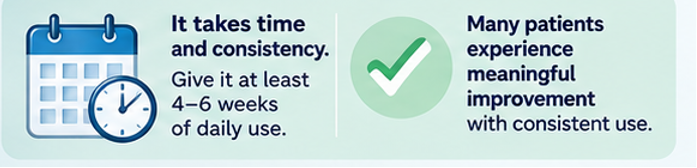
Some people notice improvement fairly quickly, while others may need several weeks of consistent use before seeing significant results. In general, I tell patients to give any remineralizing toothpaste at least a month before deciding whether it's working.
Like most things in dentistry, consistency matters.
Using the product regularly will give you the best chance of seeing improvement.
Which Hydroxyapatite Toothpaste Should You Choose?
There are a growing number of hydroxyapatite toothpastes on the market, and not all formulations are the same.
When evaluating products, look for formulations that contain a meaningful concentration of hydroxyapatite and are designed to effectively interact with the tooth surface.
One example is Ollie, which contains 10% nano-hydroxyapatite and is available in several flavors, including mint, cinnamon, strawberry, and orange. Ollie also offers a formulation that combines hydroxyapatite with fluoride for individuals who prefer both ingredients.
For readers interested in comparing hydroxyapatite toothpaste options, I've reviewed several formulations in my other guides.
At the end of the day, the best toothpaste is the one you'll use consistently and that supports your individual oral health goals.
The Bottom Line
If your sensitivity toothpaste isn't giving you the results you expected, it may be because it's only helping to quiet the nerve rather than addressing the source of the sensitivity.
Hydroxyapatite offers a different approach by helping support remineralization and blocking the microscopic pathways that contribute to sensitivity.
While it takes time to work, many people find it provides meaningful improvement when used consistently.
And if your sensitivity is severe, sudden, or isolated to one tooth, don't assume it's normal. That's a good reason to schedule a dental exam and make sure something more significant isn't going on.

Top 5 Nano-Hydroxyapatite Toothpaste Tablets
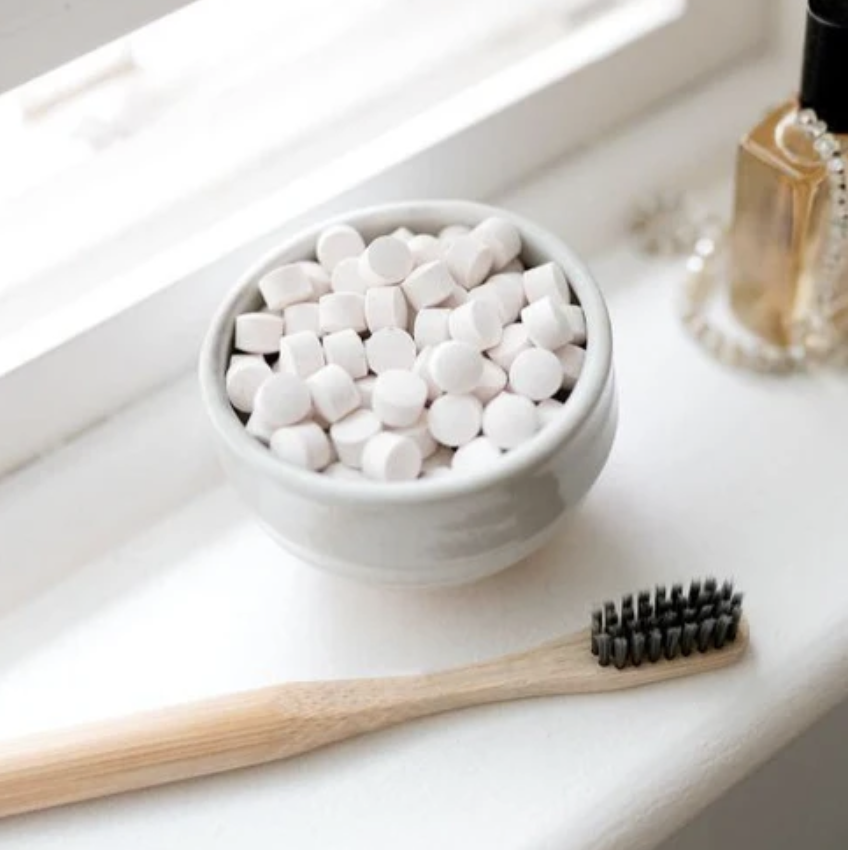
In recent years, toothpaste tablets infused with nano-hydroxyapatite (nHA) have gained popularity as a sustainable and effective alternative to traditional toothpaste. nHA, a naturally occurring mineral, is renowned for its ability to remineralize enamel and reduce tooth sensitivity. Among the leading brands offering nHA toothpaste tablets are ENML, Duo, Nudge, Huppy, and NOBS.
Transitioning to nano-hydroxyapatite toothpaste tablets is a commendable step towards sustainable living and enhanced oral health. When selecting the right toothpaste tablet, consider factors such as flavor, ingredient composition, packaging sustainability, and specific oral health needs. Consulting with a dental professional can also provide personalized guidance to ensure the best choice for your dental care routine.
In recent years, toothpaste tablets infused with nano-hydroxyapatite (nHA) have gained popularity as a sustainable and effective alternative to traditional toothpaste. nHA, a naturally occurring mineral, is renowned for its ability to remineralize enamel and reduce tooth sensitivity. Among the leading brands offering nHA toothpaste tablets are ENML, Duo, Nudge, Huppy, and NOBS.
1. ENML Toothpaste Tablets
Overview:
ENML offers toothpaste tablets formulated with micro-hydroxyapatite, focusing on enamel remineralization and overall oral health.
Key Features:
Micro-Hydroxyapatite: Aids in strengthening and repairing tooth enamel.
Natural Ingredients: Free from artificial additives, ensuring a safe brushing experience.
Eco-Friendly Packaging: Committed to reducing environmental impact with sustainable materials.
Consumer Feedback:
Users appreciate the clean and fresh feeling after use, highlighting the absence of toxic ingredients.
Considerations:
Flavor and texture preferences may vary; it's advisable to try a small quantity initially.
2. Duo Toothpaste Tablets
Overview:
Duo introduces innovative toothpaste tablets that combine oral care with supplemental benefits. Their formulations feature nano-hydroxyapatite for enamel care and are enhanced with vitamins and natural flavors.
Key Features:
Nano-Hydroxyapatite (nHA): Supports enamel remineralization and reduces sensitivity.
Vitamins C and E: Aid in supporting periodontal health and soothing gums.Duo Toothpaste
Natural Flavors: Available in varieties like wild mint medley, cinnamon mint chai, and mint with lavender.Duo Toothpaste
Eco-Friendly: Plastic-free and fluoride-free, aligning with sustainable practices.Duo Toothpaste
Consumer Feedback:
Users have praised Duo for its refreshing flavors and the added health benefits from the included vitamins. The convenience of tablet form and eco-friendly packaging are also highlighted.
Considerations:
As with any oral care product, individual experiences may vary. It's advisable to review the ingredient list for potential allergens and consult with a dental professional if unsure.
3. Nudge Toothpaste Tablets
Overview:
Nudge offers fluoride-free toothpaste tablets formulated with nano-hydroxyapatite, aiming to provide a clean and safe oral care experience.
Key Features:
Nano-Hydroxyapatite: Promotes enamel remineralization and reduces sensitivity.
Natural Ingredients: Free from synthetic chemicals, focusing on plant-based components.
Eco-Conscious Packaging: Utilizes recyclable materials to minimize environmental impact.
User Feedback:
Specific user reviews for Nudge are limited; potential users are encouraged to consult the brand's official website or trusted retailers for more detailed information.
Considerations:
When trying Nudge, consider factors such as flavor preference and ingredient sensitivity to ensure a pleasant experience.
4. Huppy Toothpaste Tablets
Overview:
Huppy focuses on delivering a zero-waste oral care solution without compromising on quality. Their tablets are designed to be both effective and environmentally friendly, appealing to eco-conscious consumers.
Key Features:
Nano-Hydroxyapatite: Utilizes oral care's latest star ingredient for enamel remineralization.Huppy
Natural Ingredients: Formulated with wholesome, non-toxic, and family-friendly components.Huppy
Sustainable Packaging: Committed to reducing plastic waste with eco-friendly packaging.
User Feedback:
Users appreciate Huppy's commitment to sustainability and the refreshing feel after use. Some note that the tablets are slightly larger and may not "paste up" as much as other brands.
Considerations:
Given the inclusion of xylitol, it's crucial to keep Huppy tablets away from pets, particularly dogs, as xylitol is toxic to them.
5. NOBS Toothpaste Tablets
Overview:
NOBS emphasizes a clean and effective approach to oral care with their nano-hydroxyapatite-infused toothpaste tablets.
Key Features:
Nano-Hydroxyapatite: A fluoride alternative that aids in remineralizing enamel and reducing sensitivity.
Low RDA Value: With an RDA of 21.38, NOBS tablets gently polish teeth without causing enamel damage.
Plastic-Free Packaging: Committed to environmental sustainability with eco-friendly containers.
User Feedback:
Users have highlighted the gentle cleaning action and effectiveness in reducing sensitivity. The eco-friendly packaging is also a noted benefit.
Considerations:
Some users mention that the tablets are pricier than traditional toothpaste but find the benefits justify the cost. As with any product, individual experiences may vary.
Transitioning to nano-hydroxyapatite toothpaste tablets is a commendable step towards sustainable living and enhanced oral health. Brands like ENML, Duo, Nudge, Huppy, and NOBS offer unique formulations to cater to diverse preferences.When selecting the right toothpaste tablet, consider factors such as flavor, ingredient composition, packaging sustainability, and specific oral health needs. Consulting with a dental professional can also provide personalized guidance to ensure the best choice for your dental care routine.



Are You a Mouth Breather? Here’s How It’s Quietly Impacting Your Health
Breathing is automatic. It’s something we don’t give much thought to, but how we breathe can impact everything from sleep to oral health. If you tend to breathe through your mouth, especially during sleep, you’re not alone. Mouth breathing is incredibly common, yet it can quietly contribute to a host of health issues, particularly when it comes to your teeth and gums.
In this article we explore why mouth breathing matters, how it affects your oral health, and why your choice of toothpaste, like the oral microbiome-friendly formulas from Fygg, can help protect and restore your mouth.
Mouth breathing might seem like a small issue, but its impact on your oral and overall health is anything but. From disrupted sleep to dental problems, it adds up. Awareness is the first step, but real change comes from support, both medically and with your daily habits.
Breathing is automatic. It’s something we don’t give much thought to, but how we breathe can impact everything from sleep to oral health. If you tend to breathe through your mouth, especially during sleep, you’re not alone. Mouth breathing is incredibly common, yet it can quietly contribute to a host of health issues, particularly when it comes to your teeth and gums.
Let’s explore why mouth breathing matters, how it affects your oral health, and why your choice of toothpaste, like the oral microbiome-friendly formulas from Fygg, can help protect and restore your mouth.
Why Mouth Breathing Is a Big Deal
Your nose isn’t just a passage for air - it filters, humidifies, and regulates airflow. It also produces nitric oxide, which supports oxygen absorption, blood flow, and even your immune system. When you breathe through your mouth, you skip those benefits entirely.
Over time, this can lead to:
· Dry mouth, which increases harmful bacteria
· Cavities and gum disease
· Snoring and disrupted sleep
· Impaired facial development in children
· Worsening of asthma and allergies
What seems like a harmless habit can become a chronic issue affecting your oral microbiome, jaw health, breathing patterns, and even posture.

Signs You Might Be Mouth Breathing
You may not even realize you’re doing it, especially during sleep. Common signs include:
· Waking up with a dry mouth or sore throat
· Persistent morning breath
· Frequent cavities or gum inflammation
· Drooling or chapped lips
· Daytime fatigue, brain fog, or headaches
· Snoring, even without sleep apnea
· Long or narrow facial features in children
How It Affects Your Oral Health
Mouth breathing dries out your mouth and reduces saliva, which is your body’s natural defense mechanism. Saliva helps balance your mouth’s pH, remineralize teeth, and wash away debris and harmful bacteria.
When saliva production slows, the result is often:
· A more acidic oral environment
· Higher risk of tooth decay and erosion
· Gum irritation and recession
· Bad breath that lingers no matter how much you brush
And here’s where your toothpaste matters more than ever.
Why You Need an Oral Care Routine That Supports Healing
If you’re managing the effects of mouth breathing, your toothpaste should do more than just freshen your breath. It should restore balance and support a healthy microbiome, not strip it down further.
That’s exactly what toothpastes like Fygg was created to do.
Fygg stands for “Feed Your Good Guys,” and it’s formulated with clean ingredients that support the good bacteria in your mouth. It was developed by a team of dentists who understand the oral ecosystem and its connection to whole-body health.
What makes Fygg different?
· Oral microbiome-friendly and formulated to help restore pH balance
· Free from SLS, synthetic dyes, and unnecessary fillers
· Fluoride-free
· Contains nanohydroxyapatite and prebiotics
· Remineralizes, strengthens and whitens
· Available in a variety of flavors like mild mint, coconut cream, vanilla vibes and others listed on their website
In short, Fygg is an effective alternative that nurtures your oral health, especially if you’re dealing with mouth dryness or sensitivity from breathing through your mouth.
Try Fygg here and use code UNORTHODOC for 20% off
What You Can Do About Mouth Breathing
The good news? Mouth breathing can be improved with awareness and the right tools. Here’s how:
1. Identify the cause.
Allergies, nasal congestion, or structural issues (like a deviated septum) can force mouth breathing. Speak with an ENT if needed.
2. Practice nose breathing during the day.
Try breathwork techniques like box breathing or Buteyko breathing. Nasal strips can also help open your airways naturally.
3. Consider mouth taping at night.
This gentle habit retrains your body to breathe through your nose during sleep. Use safe, breathable tape and consult a healthcare provider if unsure.
4. Stay hydrated.
A well-hydrated mouth is better protected. Drink water regularly and use a humidifier if your indoor air is dry.
5. Upgrade your toothpaste.
Mouth breathing creates a vulnerable oral environment. Make sure your toothpaste is working for you, not against you. Fygg is a thoughtful, dentist-developed option that supports restoration and defense.
Mouth breathing might seem like a small issue, but its impact on your oral and overall health is anything but. From disrupted sleep to dental problems, it adds up. Awareness is the first step, but real change comes from support, both medically and with your daily habits.
If you’re ready to restore your oral environment and protect your smile, switching to a microbiome-friendly toothpaste like Fygg can be a simple but powerful step. While Fygg helps support the oral microbiome and restore balance, it is not intended to treat or resolve the underlying causes of mouth breathing or chronic dry mouth. In those cases, additional solutions such as saliva substitutes (like Biotène), hydration strategies, or medical interventions may be needed.
If you would like to try Fygg to see how it works for you, Use code UNORTHODOC for 20% off.

What You Should Know Before Buying Hydroxyapatite Toothpaste
With the rise in alternative oral care solutions, nano-hydroxyapatite toothpaste has been gaining traction as a highly effective, fluoride-free (or complementary) option for dental remineralization. If you’re considering switching to or learning more about hydroxyapatite-based toothpaste, this guide will explain everything you need to know, from particle size, ideal concentrations, and clinical efficacy to its combination with fluoride.
Nano-hydroxyapatite (nHAp) is a synthetic form of hydroxyapatite, a naturally occurring mineral that makes up 97% of tooth enamel and 70% of dentin. It was first introduced in oral care products in the 1980s as a biomimetic alternative to fluoride. Hydroxyapatite nanoparticles work by filling microscopic holes and defects in your enamel, essentially rebuilding and strengthening teeth.
With the rise in alternative oral care solutions, nano-hydroxyapatite toothpaste has been gaining traction as a highly effective, fluoride-free (or complementary) option for dental remineralization. If you’re considering switching to or learning more about hydroxyapatite-based toothpaste, this guide will explain everything you need to know, from particle size, ideal concentrations, and clinical efficacy to its combination with fluoride.
What is Hydroxyapatite?
Nano-hydroxyapatite (nHAp) is a synthetic form of hydroxyapatite, a naturally occurring mineral that makes up 97% of tooth enamel and 70% of dentin. It was first introduced in oral care products in the 1980s as a biomimetic alternative to fluoride. Hydroxyapatite nanoparticles work by filling microscopic holes and defects in your enamel, essentially rebuilding and strengthening teeth.


Why Particle Size Matters
The effectiveness of nHAp toothpaste lies in the particle size:
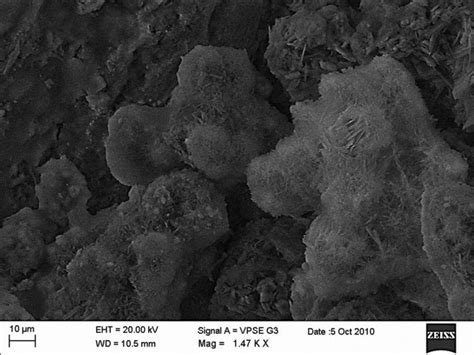
Nano-hydroxyapatite particles are extremely small (typically <100 nanometers) or typically between 5 and 20 nanometers. They closely match the size of natural hydroxyapatite crystals in tooth enamel. This similarity enables nHA to effectively integrate and penetrate deep into the micropores and defects of enamel, promoting remineralization and strengthening of teeth.
Larger hydroxyapatite particles lack this depth of penetration and adhesion.
In simpler terms: the smaller the particle size, the better it adheres to enamel and mimics the natural tooth structure, leading to improved remineralization.
The following image illustrates the enamel surface treated with nanohydroxyapatite at high magnification:
Why 10% Concentration is Ideal
Clinical studies and research consistently show that 10% nHAp concentration in toothpaste strikes the perfect balance of:
Effectiveness: Strong enamel remineralization.
Safety: Non-toxic if swallowed, making it a great choice for children and those sensitive to fluoride.
Sensitivity Management: Seals exposed dentin tubules to reduce hypersensitivity.
The attached chart demonstrates this well: at 10% concentration, nano-hydroxyapatite performs comparably to fluoride in improving enamel microhardness. In this specific study, tests such as Cross-Sectional Microhardness (CSMH) and Polarized Light Microscopy (PLM) confirmed nHAp’s efficacy even in acidic, cyclical conditions.
This means that 10% nHAp can restore enamel integrity and protect against acid erosion as effectively as fluoride.
nHAp vs. Fluoride: A Comparison
Both fluoride and nano-hydroxyapatite have shown strong enamel remineralization properties, but here’s what sets nHAp apart:

The choice between fluoride and nHAp depends on your preference and needs, but many prefer hydroxyapatite toothpaste for its natural, biocompatible qualities.
Combination with Fluoride
What if you don’t want to choose between the two? Some toothpaste formulas, like that of Ollie combine nHAp and fluoride to create a dual-action approach. Together, they:
Enhance enamel remineralization.
Strengthen enamel structure.
Prevent cavities and repair early tooth decay.
This combination makes it an ideal solution for those looking for maximum protection.
Clinical Research Supporting nHAp
Numerous peer-reviewed studies have validated the effectiveness of nHAp toothpaste. A 2014 study published in the National Center for Biotechnology Information (NCBI) confirms:
nHAp significantly remineralizes enamel when compared to fluoride.
It offers superior sensitivity relief.
nHAp is effective under acidic conditions, mimicking real-world oral environments.
Furthermore, nHAp toothpaste demonstrates a safe profile, making it a viable fluoride alternative, particularly for children, pregnant women, or individuals concerned about fluoride toxicity.
Key Benefits of Nano-Hydroxyapatite Toothpaste
Here’s why nHAp toothpaste is a game-changer:
Remineralizes Enamel: Repairs micro-damage and strengthens teeth.
Safe for All Ages: Non-toxic, even if swallowed.
Reduces Sensitivity: Seals dentin and soothes tooth pain.
Fights Plaque: Adheres to and removes plaque during brushing.
Ideal for Fluoride-Free Users: Offers a natural and effective alternative.
Is Hydroxyapatite Toothpaste Right for You?
Hydroxyapatite toothpaste is ideal for:
Individuals sensitive to fluoride.
Children (safe if accidentally swallowed).
Pregnant or breastfeeding women.
Those suffering from tooth sensitivity.
People looking for a natural, fluoride-free solution for cavity prevention and enamel repair.
Nano-hydroxyapatite toothpaste is more than a trend, it’s backed by decades of research and clinical validation as an effective, safe, and natural solution for improving oral health. With a 10% concentration, small particle size, and the ability to work as well as fluoride, nHAp toothpaste has earned its place as a modern dental care essential.
Whether you’re seeking an alternative to fluoride or looking for the perfect solution for sensitive teeth, nHAp toothpaste might just be your smile’s new best friend.
If you’re ready to switch to hydroxyapatite toothpaste, look for trusted brands with 10% nano-hydroxyapatite, you can find some of my recommendations here and here, and don’t hesitate to check for combinations that incorporate fluoride for added benefits.
Link to Clinical studies:

The Top 5 Nano-Hydroxyapatite Toothpastes With The Recommended 10% Concentration
As dental professionals and enthusiasts continue to explore the benefits of nano-hydroxyapatite (nHA) in toothpaste formulations, recent research has revealed that a concentration of 10% nano-hydroxyapatite is optimal for preventing decay. Nano-hydroxyapatite, a bioactive mineral that mimics the structure of tooth enamel, has shown promising results in remineralizing and protecting teeth. A 2019 study found that toothpaste containing a 10% hydroxyapatite solution was equally effective as amine fluoride toothpaste in preventing and reversing tooth decay in children.
In light of these findings, selecting a toothpaste with the optimal 10% concentration of nano-hydroxyapatite is crucial for maximizing dental health benefits. In this article, we highlight five toothpaste brands that contain this recommended concentration, ensuring comprehensive protection and remineralization for your teeth.
As dental professionals and enthusiasts continue to explore the benefits of nano-hydroxyapatite (nHA) in toothpaste formulations, recent research has revealed that a concentration of 10% nano-hydroxyapatite is optimal for preventing decay. Nano-hydroxyapatite, a bioactive mineral that mimics the structure of tooth enamel, has shown promising results in remineralizing and protecting teeth.
Several scientific studies have highlighted the effectiveness of nano-hydroxyapatite in dental care. For instance, a 2012 study demonstrated that participants who used nano-hydroxyapatite paste after teeth bleaching experienced significantly lower sensitivity levels compared to those who used a placebo paste. Additionally, a 2016 study involving orthodontic patients found that two brands of nano-hydroxyapatite toothpaste were the most efficient at preventing tooth demineralization compared to fluoride and control toothpastes.
Further supporting its benefits, a 2017 study revealed that demineralized tooth surfaces coated with hydroxyapatite toothpaste became harder after two weeks of application compared to those treated with fluoride toothpaste alone. Moreover, a 2019 study found that toothpaste containing a 10% hydroxyapatite solution was equally effective as amine fluoride toothpaste in preventing and reversing tooth decay in children.

In light of these findings, selecting a toothpaste with the optimal 10% concentration of nano-hydroxyapatite is crucial for maximizing dental health benefits. In this article, we highlight five toothpaste brands that contain this recommended concentration, ensuring comprehensive protection and remineralization for your teeth.

Dr. Jen Natural toothpaste
Remineralizing Toothpaste with Nano-Hydroxyapatite Dr. Jen Natural offers a remineralizing toothpaste formulated with 10% nano-hydroxyapatite, providing comprehensive protection for tooth enamel. This toothpaste harnesses the natural remineralizing properties of nHA to strengthen enamel, reduce sensitivity, and promote overall oral health. With its fluoride-free and SLS-free formula, Dr. Jen Natural's toothpaste is suitable for individuals seeking a natural alternative for maintaining a healthy smile.
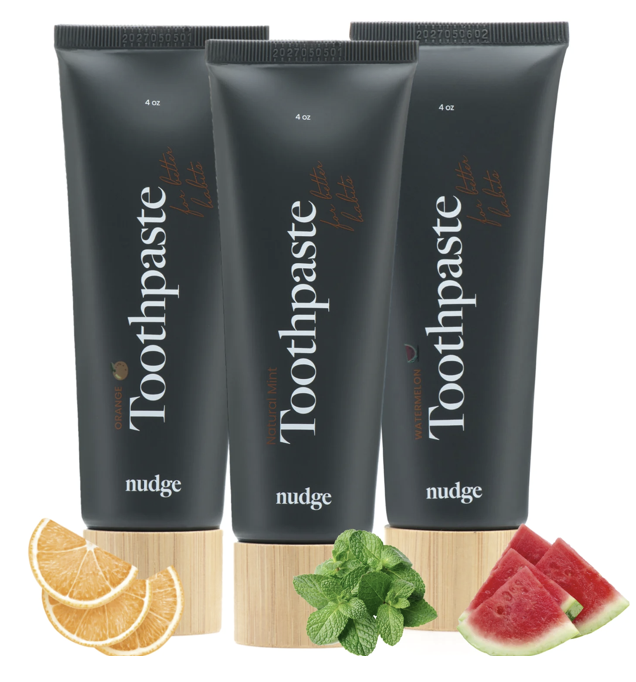
2. nudge all natural
Nudge is a newbie on the market that wants nothing more than to offer smooth products, good flavors, and that fresh feeling. It is All-natural, SLS & fluoride-free, and made with 10% nano-hydroxyapatite!
Made with the approved "nano" sized "rod shaped hydroxyapatite", following the guidelines of the Scientific Committee on Consumer Saftey (SCCS)
Natural re-mineralization
Whitening
Micro-lesions repair and reversing
Reduction of hypersensitivity (for sensible gums)
Plaque removal
*Code: THEUNORTHODOC gets you 20% off

3. Elims Reflection Toothpaste
Pineapple Orange Mint and Lavender Vanilla Mint Elims Reflection Toothpastes features a refreshing flavor and contains 10% nano-hydroxyapatite to promote enamel remineralization and strengthen teeth. This toothpaste is specially formulated to remove plaque, fight cavities, and freshen breath, making it an ideal choice for individuals looking for a natural solution to their oral care needs. With its innovative blend of natural ingredients and high concentration of nHA, Elims Reflection Toothpaste offers a refreshing and effective way to maintain optimal dental health.

4. Ollie Clean Mint Toothpaste
Ollie Clean Mint Toothpaste is enriched with 10% nano-hydroxyapatite, designed to deliver superior remineralization and protection for tooth enamel. This toothpaste aims to repair damaged enamel, strengthen teeth, and prevent cavities, making it an excellent choice for those seeking to improve their oral health. With its clean mint flavor and advanced formula, Ollie Clean Mint Toothpaste provides long-lasting freshness and comprehensive protection against dental issues.
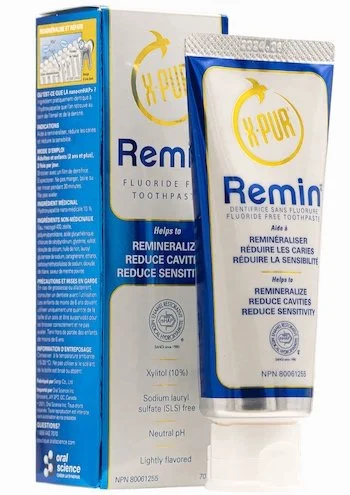
5. X-PUR Remin Toothpaste
X-PUR Remin Toothpaste features a powerful formula with 10% nano-hydroxyapatite and 10% xylitol. This toothpaste is designed to remineralize and strengthen tooth enamel, reduce sensitivity, and promote overall oral health. It incorporates a blend of natural ingredients and essential oils that support healthy gums and fresh breath, making it a well-rounded choice for comprehensive dental care. With its peppermint flavor and commitment to using 100% natural ingredients, X-PUR Remin Toothpaste is GMO, gluten, and sugar-free, and does not contain acesulfame potassium, an artificial sweetener associated with several health problems.

BONUS 6. FYGG (Feed Your Good Guys)
Fygg's fluoride-free prebiotic toothpaste is formulated with oral microbiome nourishing ingredients, including L-arginine, xylitol, chicory root and nano-hydroxyapatite (NanoXIM). Fygg is formulated with 15.5% NanoXIM, resulting in a 3.1% concentration per tube.
Developed by functional dentists Dr. Mark Burhenne (@askthedentist) and Dr. Staci Whitman (@doctorstaci) using the highest quality, cleanest ingredients available.
Formulated without oral microbiome disruptors:
Essential oil free
Emulsifier free
Detergent free
SLS free
Fluoride free
Flavors include: Mild Mint, Coconut Cream, Vanilla Vibes & Chocolate Swirl
code: UNORTHODOC gets you 15% their products.
With the growing popularity of nano-hydroxyapatite in oral care, choosing a toothpaste with the recommended 10% concentration becomes crucial for maximizing its benefits. The five toothpaste brands mentioned above offer effective solutions for promoting enamel remineralization, strengthening teeth, and protecting against dental issues. By incorporating these toothpastes into your daily oral care routine, you can enjoy the benefits of nano-hydroxyapatite and maintain a healthy, beautiful smile for years to come.
Nano-Hydroxyapatite: The 10% Difference
In recent years, there's been a surge of interest in natural alternatives for oral care, leading to the rise of nano-hydroxyapatite (nHAp) as a promising ingredient in toothpaste formulations. As a dentist who has long advocated for the benefits of fluoride, I've been intrigued by the potential of nano-hydroxyapatite to offer a natural alternative for maintaining optimal oral health. However, as with any scientific breakthrough, it's essential to understand the research behind the claims. Recent studies have highlighted the importance of ensuring that nHAp toothpaste formulations contain a concentration of at least 10% to be as effective as fluoride in remineralizing enamel. You can explore the evidence-based article supporting this claim here.
In recent years, there's been a surge of interest in natural alternatives for oral care, leading to the rise of nano-hydroxyapatite (nHAp) as a promising ingredient in toothpaste formulations. As a dentist who has long advocated for the benefits of fluoride, I've been intrigued by the potential of nano-hydroxyapatite to offer a natural alternative for maintaining optimal oral health. However, as with any scientific breakthrough, it's essential to understand the research behind the claims. Recent studies have highlighted the importance of ensuring that nHAp toothpaste formulations contain a concentration of at least 10% to be as effective as fluoride in remineralizing enamel. You can explore the evidence-based article supporting this claim here.
Origins of Nano-Hydroxyapatite:
The story of nano-hydroxyapatite traces back to the late 1970s when NASA scientists embarked on a quest to address the bone and tooth enamel loss experienced by astronauts returning from zero gravity environments. Their solution? Introducing nano-hydroxyapatite into toothpaste formulations to aid in the restoration and remineralization of tooth enamel. The effectiveness of this mineral was so profound that a Japanese toothpaste company, Sangi, acquired the patent from NASA in 1980, leading to widespread adoption and utilization in oral care products worldwide.
Clinical Efficacy:
Numerous studies have demonstrated the remarkable remineralizing properties of nano-hydroxyapatite, showcasing its efficacy in restoring tooth enamel to its natural state. One such study, published in the Journal of Clinical and Experimental Dentistry, highlights the comparable effectiveness of nHAp to fluoride in remineralizing enamel when used at a concentration of 10%. This critical concentration ensures optimal efficacy, as nano-hydroxyapatite works to repair and strengthen weakened enamel, effectively combating tooth decay and erosion.

The Importance of 10% Concentration:
It's important to note that while many oral care brands now tout nano-hydroxyapatite formulations, not all contain the necessary 10% concentration for maximum effectiveness. This concentration requirement is supported by scientific evidence, as studies have shown that formulations with lower concentrations may not deliver the same level of remineralization. As consumers, it's crucial to be discerning and seek out products that meet this standard to reap the full benefits of nano-hydroxyapatite.
Additional Benefits of 10% Nano-Hydroxyapatite:
Beyond its remineralizing properties, 10% nano-hydroxyapatite offers a range of additional benefits that set it apart from traditional fluoride-based toothpaste:
Safe if Swallowed: Unlike fluoride, nano-hydroxyapatite poses no risk if ingested, making it an ideal choice for individuals of all ages.
Smoother, Whiter Surface: nHAp fills pores and micro lesions in the enamel, resulting in a smoother and brighter appearance for a more radiant smile.
Sensitivity Protection: Nano-hydroxyapatite fills pores in exposed dentin, providing relief from sensitivity and strengthening weak enamel surfaces.
Enhanced Plaque Removal: With regular brushing, nano-hydroxyapatite adheres to plaque, facilitating its removal and promoting optimal oral hygiene.
As the science of oral care continues to evolve, nano-hydroxyapatite stands at the forefront as a game-changing ingredient in toothpaste formulations. With its proven remineralizing properties and additional benefits, 10% nano-hydroxyapatite offers a safe, effective, and holistic approach to maintaining optimal oral health. By understanding the origins, clinical efficacy, and importance of proper concentration, consumers can make informed choices and unlock the power of nano-hydroxyapatite for a brighter, healthier smile.
One of the most common complaints I hear from patients is, "My teeth are so sensitive."
Cold water hurts. Ice cream hurts. Sometimes even breathing in cold air can trigger that sharp, uncomfortable feeling.
Most people do what they're supposed to do: they buy a sensitivity toothpaste. But after months—or even years—of using it, many still struggle with sensitive teeth.