

How to Whiten Sensitive Teeth
You shouldn't have to compromise on achieving a brighter, whiter smile due to teeth sensitivity issues. With the right approach and products, you can effectively whiten your teeth while addressing sensitivity concerns. In this comprehensive guide, we'll explore how to navigate teeth whitening with sensitivity, ensuring a radiant pearly white smile without discomfort.
Tooth sensitivity is a common side effect of whitening. The main reason for this discomfort is due to the bleaching agent, typically hydrogen peroxide or carbide peroxide. This causes a chemical reaction on the tooth surface that increases the porosity of the enamel thus making your teeth sensitive. This discomfort can be pronounced or heightened if you have existing conditions like enamel erosion, exposed dentin, or gum recession. However, by adopting the right strategies (and products), you can minimize sensitivity while still achieving noticeable whitening results.
You shouldn't have to compromise on achieving a brighter, whiter smile due to teeth sensitivity issues. With the right approach and products, you can effectively whiten your teeth while addressing sensitivity concerns. In this comprehensive guide, we'll explore how to navigate teeth whitening with sensitivity, ensuring a radiant pearly white smile without discomfort.
Understanding Sensitivity and Whitening
Tooth sensitivity is a common side effect of whitening. The main reason for this discomfort is due to the bleaching agent, typically hydrogen peroxide or carbide peroxide. This causes a chemical reaction on the tooth surface that increases the porosity of the enamel thus making your teeth sensitive. This discomfort can be pronounced or heightened if you have existing conditions like enamel erosion, exposed dentin, or gum recession. However, by adopting the right strategies (and products), you can minimize sensitivity while still achieving noticeable whitening results.
Go Slow and Space Out Treatments
First and foremost, it's essential to approach teeth whitening with sensitivity in mind. Try to avoid in-office treatments or products with high concentrations of peroxide, typically over 10%. These strong formulations can exacerbate sensitivity and cause discomfort. Instead, opt for gentler whitening methods, like some at-home whitening solutions that has a lower concentration of bleaching agent and space out treatments to once every several days. By allowing your teeth time to adjust between sessions, you can mitigate sensitivity and achieve gradual whitening results.

Consistency Is Key
Whitening your teeth when you have sensitivity requires patience and consistency. This journey is not a quick fix but rather a gradual process. Commit to a regular whitening routine and stick to it over time. Consistency is crucial for minimizing sensitivity and ensuring long-lasting results. Remember, slow and steady progress is better than rushing and risking discomfort.
Choosing the Right Products and Ingredients
When selecting whitening products for sensitive teeth, it's essential to prioritize ingredients that address sensitivity while effectively whitening your smile. Look for products that offer these approaches to reduce sensitivity:
Dulling the Nerves: You can choose products containing ingredients like potassium nitrate, arginine and stannous fluoride. These compounds work by desensitizing the nerves in your teeth, reducing discomfort during whitening treatments.
Blocking Access to the Nerves: You can opt for products containing hydroxyapatite, a natural mineral that helps occlude or block the tiny tubules in your teeth. This prevents external stimuli from reaching the nerves, minimizing sensitivity.
Sensitive Toothpaste: You can use a toothpaste specifically geared towards addressing sensitivity issues. For example, Ollie offers a range of oral care products designed specifically for individuals with sensitive teeth. Their sensitive toothpaste combines potassium nitrate and hydroxyapatite, providing dual-action relief for sensitivity while promoting enamel remineralization. After brushing be sure to leave a residue of toothpaste on your teeth (don’t rinse), especially before bedtime, to maximize its effectiveness.
Avoid Ineffective Ingredients
Be cautious of whitening products that claim to be sensitivity-free but lack effective whitening agents. Ingredients like bromelain, PAP, or other alternatives to peroxide may have some whitening effect but may not effectively whiten your teeth and could lead to disappointment. Stick to proven ingredients backed by scientific research for safe and effective whitening.
Whitening your teeth with sensitivity requires a tailored approach and the right products. By going slow, choosing gentle formulations, and prioritizing sensitivity-reducing ingredients, you can achieve a brighter smile without sacrificing comfort. In my opinion, with products like Ollie's whitening strips and toothpaste, you can confidently embark on your whitening journey, knowing that your smile is in safe hands.



Whitening Strips: A Comprehensive Review
In the pursuit of a brighter, whiter smile, the quest for effective teeth-whitening solutions has led many to explore the realm of at-home treatments. In a world where beaming smiles are coveted, individuals increasingly turn to convenient and cost-effective alternatives, eschewing pricier in-office treatments at the dentist's office. With the rise of at-home whitening options, Amazon has become a hub for an array of teeth-whitening strips, promising dazzling results without the hefty price tag. In this comprehensive guide, I delve into a side-by-side comparison of seven of the most popular whitening strips available on Amazon, shedding light on the key factors to consider when navigating the diverse landscape of at-home teeth-whitening solutions. Whether you're a seasoned teeth-whitening enthusiast or a newcomer seeking a radiant smile, understanding these essential criteria will empower you to make an informed choice for a brighter, more confident you.
In the pursuit of a brighter, whiter smile, the quest for effective teeth-whitening solutions has led many to explore the realm of at-home treatments. In a world where beaming smiles are coveted, individuals increasingly turn to convenient and cost-effective alternatives, eschewing pricier in-office treatments at the dentist's office. With the rise of at-home whitening options, Amazon has become a hub for an array of teeth-whitening strips, promising dazzling results without the hefty price tag. In this comprehensive guide, I delve into a side-by-side comparison of seven of the most popular whitening strips available on Amazon, shedding light on the key factors to consider when navigating the diverse landscape of at-home teeth-whitening solutions. Whether you're a seasoned teeth-whitening enthusiast or a newcomer seeking a radiant smile, understanding these essential criteria will empower you to make an informed choice for a brighter, more confident you.

When comparing teeth whitening strips, it's crucial to consider several factors:
Active Ingredients: Look for strips that contain peroxide-based ingredients like hydrogen peroxide or carbamide peroxide, known for their whitening properties.
Concentration of Active Ingredients: Higher concentrations of peroxide may lead to faster results but can also increase the risk of tooth sensitivity or gum irritation. Lower concentrations may offer a safer but slower approach.
Adhesive Quality: The effectiveness of whitening strips often depends on how well they adhere to your teeth. Strips that stay in place without sliding around or losing adhesion tend to provide more consistent results.
Ease of Use: Consider the convenience and ease of application. Some strips might be easier to apply and remove than others.
Sensitivity: Whitening strips can sometimes cause tooth sensitivity or gum irritation. Choose strips that are less likely to cause discomfort, especially if you have sensitive teeth.
Reviews and Recommendations: Look for reviews from reputable sources or dental professionals to gain insight into the effectiveness and safety of these products.

Ratings and Reviews:
Here's a detailed breakdown of the reviewed whitening strips on a scale of 1-10 for different criteria:
Ollie Teeth Whitening Strips
Sticky Factor: 7/10
Flavor: Minty (8/10)
Rinsing Ease: 9/10
Pros: Contains potassium nitrate for sensitivity, effective whitening.
Cons: Might slide a bit, but generally adheres well.
Crest 3D Whitening Strips
Sticky Factor: 8/10
Flavor: Minty (9/10)
Rinsing Ease: 8/10
Pros: Strong adhesive quality, effective whitening.
Cons: Can cause mild sensitivity in some users.
Lumineux Whitening Strips
Sticky Factor: 6/10
Flavor: Mild (7/10)
Rinsing Ease: 7/10
Pros: Natural ingredients, good for mild whitening.
Cons: May not stick well, slower results.
Zimba Teeth Whitening Strips
Sticky Factor: 5/10
Flavor: Fruity (6/10)
Rinsing Ease: 6/10
Pros: Pleasant taste, okay results.
Cons: Poor adhesion, less effective.
Dr. Dent Teeth Whitening Strips
Sticky Factor: 4/10
Flavor: Mild (5/10)
Rinsing Ease: 5/10
Pros: Budget-friendly.
Cons: Minimal whitening effect, not very sticky.
Exultic Whitening Strips
Sticky Factor: 6/10
Flavor: Minty (7/10)
Rinsing Ease: 7/10
Pros: Okay adherence, decent taste.
Cons: Moderate effectiveness, takes time for results.
Waving Palms Pap+ Whitening Strips
Sticky Factor: 7/10
Flavor: Minty (8/10)
Rinsing Ease: 8/10
Pros: Good adherence, okay whitening.
Cons: Might cause mild sensitivity, not the fastest results.
Understanding active ingredients in Teeth Whitening Strips
Teeth whitening strips typically rely on various active ingredients to lift stains and brighten enamel. Let's delve into some common whitening agents and their efficacy:
1. Hydrogen Peroxide:
Efficacy: Hydrogen peroxide is a well-established and widely used whitening agent. It works by breaking down stains into smaller, less concentrated particles, leading to a brighter smile.
Concentration: Strips with hydrogen peroxide often come in varying concentrations. Higher concentrations may deliver faster results but could increase the risk of tooth sensitivity.
2. Carbamide Peroxide:
Efficacy: Carbamide peroxide breaks down into hydrogen peroxide when applied. It is effective for teeth whitening and is often found in at-home whitening products.
Gentleness: Carbamide peroxide is considered gentler than hydrogen peroxide, making it a good choice for those with sensitive teeth.
3. Phthalimidoperoxycaproic Acid (PAP):
Efficacy: PAP is a newer whitening agent that has shown promise in delivering effective results. It works similarly to hydrogen peroxide by breaking down stains.
Sensitivity: PAP is generally considered less likely to cause sensitivity compared to traditional peroxides.
4. Dead Sea Salt:
Efficacy: Dead Sea salt is often included for its natural abrasive properties. While it can help remove surface stains, it might not penetrate as deeply as peroxide-based agents.
Mild Whitening: Dead Sea salt is suitable for mild whitening and is often used in more natural or organic whitening products.
5. Lemon Peel Oil:
Efficacy: Lemon peel oil contains natural citric acid, which may help remove surface stains. However, its effectiveness for deep whitening might be limited.
Caution: Citric acid can be acidic and may contribute to tooth sensitivity. Products containing lemon peel oil should be used with caution.
Choosing the Right Whitening Strips:
Consider Your Sensitivity: If you have sensitive teeth, you might want to opt for products with lower concentrations of peroxide or alternative ingredients like PAP.
Personal Preferences: Some individuals prefer natural ingredients like dead sea salt or lemon peel oil for a milder approach. However, their efficacy might vary compared to peroxide-based options.
Consult with a Professional: Before choosing a teeth whitening strip, consult with your dentist or dental professional. They can provide personalized recommendations based on your oral health and preferences.
Understanding the active ingredients in teeth whitening strips empowers you to make an informed decision based on your unique needs and preferences. Always follow product instructions, and if you experience any discomfort, consult with a dental professional.
In my testing, Ollie and Crest emerged as the most effective whitening strips, considering their ingredient concentrations and performance. Ollie stands out as the only strip containing potassium nitrate, making it suitable for sensitive teeth. While preferences may vary, these two options offer reliable whitening with careful consideration of potential sensitivity issues.
For more detailed information of each specific product, I recommend checking each product's official website, reading customer reviews, consulting with dental professionals, or referring to dental associations or reputable dental resources that might offer comparative analyses of various whitening strips. This approach will help you make a more informed decision tailored to your individual dental needs and preferences.

Professional Teeth Whitening At Home
White teeth are always in style! Everyone wants a sparkly white smile and if you read my previous post you will know that there are many culprits out there that may diminish the whiteness of your teeth over time. Some of those culprits include coffee, tea, red wine, sodas, curry, turmeric, cigarette smoke to name just a few.
White teeth are always in style! Everyone wants a sparkly white smile and if you read my previous post you will know that there are many culprits out there that may diminish the whiteness of your teeth over time. Some of those culprits include coffee, tea, red wine, sodas, curry, turmeric, cigarette smoke to name just a few.
To combat these I mentioned different things to do and different products that will help to achieve a pearly white smile. Now, I am an Orthodontist and deal with teeth all day long and besides the most common question of “when am I getting my braces off?,” the second most common question I get is “How can I get my teeth whiter?” This is why I was very excited when Smile Brilliant asked me to review their at-home whitening system. I am always open to trying new products, especially if it means helping my patients.
My beautiful sister happily volunteered to be my test subject, since she’s always trying to get a whiter smile.
The Process:

Smile Brilliant sent me their teeth whitening kit which included impression material, an impression tray, whitening gel and desensitizing gel. My sister took her impressions and sent them back to smile brilliant in the pre-paid package provided. From there her trays were fabricated and sent back to her. Within a few days she received her custom fitted whitening trays and her whitening journey began.
She wore her trays to bed at night for about 2-21/2 weeks to achieve the results below!


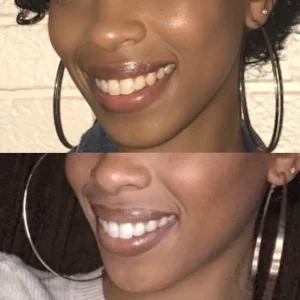
After a few short weeks of (conveniently) wearing trays to bed, a desirable result was achieved. My sister is very happy with the results and says based on the ease of the overall process and the results she would definitely recommend it to a friend.
Giveaway!!
If you’re thinking about starting your own whitening journey, you’re in luck! Smile Brilliant will be giving one of MY readers $149 in credit to use on their site. To enter, visit Smile Brilliant through this link and provide your name and email address. This is open to anyone is the US, UK, Canada, and Australia! The winner will be chosen randomly and contacted by Smile Brilliant directly.
If you’re feeling impatient and want to get started with your smile transformation ASAP, you can save 15% on your Smile Brilliant order now with code theunorthodoc at checkout.
Happy Whitening!

White Teeth Are Always In Style
We all want sparkly white teeth! Your smile is often times the first thing someone notices when they look at you so it makes sense to want to keep your teeth in tip top shape. However, there are some culprits that may prevent us from having and maintaining our pearly whites.
We all want sparkly white teeth! Your smile is often times the first thing someone notices when they look at you so it makes sense to want to keep your teeth in tip top shape. However, there are some culprits that may prevent us from having and maintaining our pearly whites.

The Main Culprits to a White Smile:
These are some of the biggest contributors to our smiles fading over time.
Coffee
Tea
Red Wine
Soda
Smoking
I am a BIG tea lover. I have a cup several times per day so it goes without saying that my teeth gets stained pretty quickly. Here are some products (some of which I use) that helps in keeping your teeth perfectly white:
Whitening ToothPaste - These toothpastes contain 1-1.5% carbide peroxide (a whitening agent) that is capable of removing surface stains. Some of my favorite whitening toothpastes are Crest 3D White, Crest 3D White Brilliance, Sensodyne true White (for the with sensitive teeth).
Whitening Strips and Gels - Whitening strips and gels contain a concentration of carbamine peroxide roughly six times stronger than toothpastes (6-10%). This amount of solution is enough to start penetrating your dental pores and lifting deeper stains. Although stronger than whitening toothpastes, strips and gels need to be applied carefully and evenly. Some of these strips and gels (and there are many) include Crest White Strips, Smile Brilliant, Bright White to name a few.
Professional Teeth Whitening - Custom whitening trays can be done by your dentist. These whitening systems usually contain an even stronger solution of carbamide peroxide (10-15%). You get the trays to take home and use as directed. However, the most efficient, fast, and safest way to whiten you teeth is at a dentist’s office. With in-office treatment, the dentist uses a solution that usually contains ~35% carbide peroxide to get you instantly white teeth.
Tips for Maintaining Your Pearly Whites:
Now that you have obtained your pearly whites, you will want them to remain this way. A few things you can do to minimize staining are:
Instead of coffee, tea, red wine and other beverages that stain your teeth, try drinking more water or other clear drinks as alternatives.
If you are like me and must have tea (or coffee) try drinking from a straw. This will reduce the surface area that the beverage covers and thus reduce staining.
Brush daily (at least 2x) with a whitening toothpaste, and floss!
See your dentist regularly.
One of the most common complaints I hear from patients is, "My teeth are so sensitive."
Cold water hurts. Ice cream hurts. Sometimes even breathing in cold air can trigger that sharp, uncomfortable feeling.
Most people do what they're supposed to do: they buy a sensitivity toothpaste. But after months—or even years—of using it, many still struggle with sensitive teeth.